Welcome to your July Cloud & Modernization recap. If there's one word that defines this month, it's agentic. AI agents are no longer a lab experiment, they're migrating your workloads, modernizing your apps, and (plot twist) securing the very environments they run in.
But with that momentum comes a familiar tension: how do you move fast and stay in control? This issue is your field guide to doing both, from generally available SQL migrations to Project Perception's AI-defends-AI security stack. Let's dive in 👇
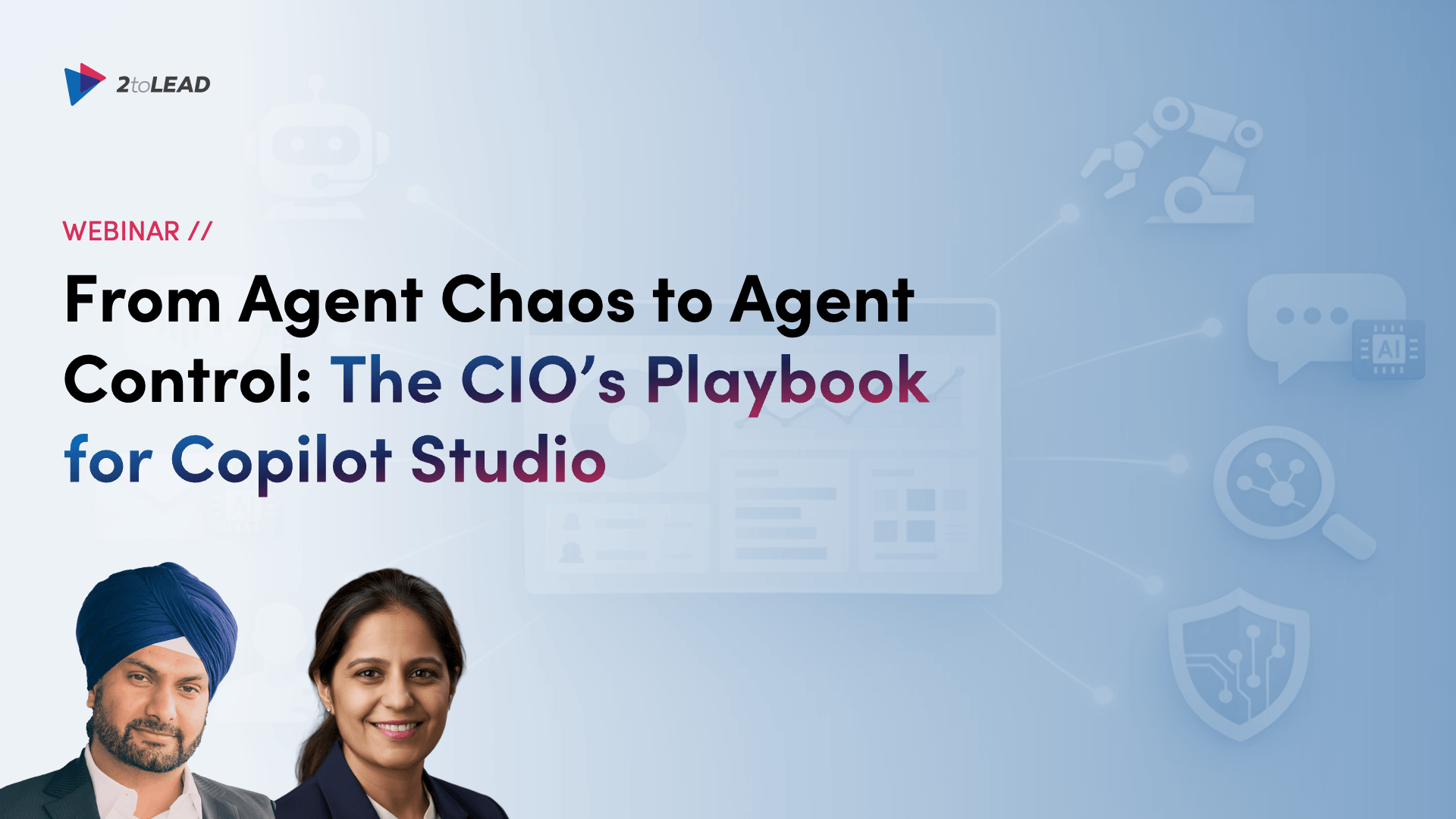
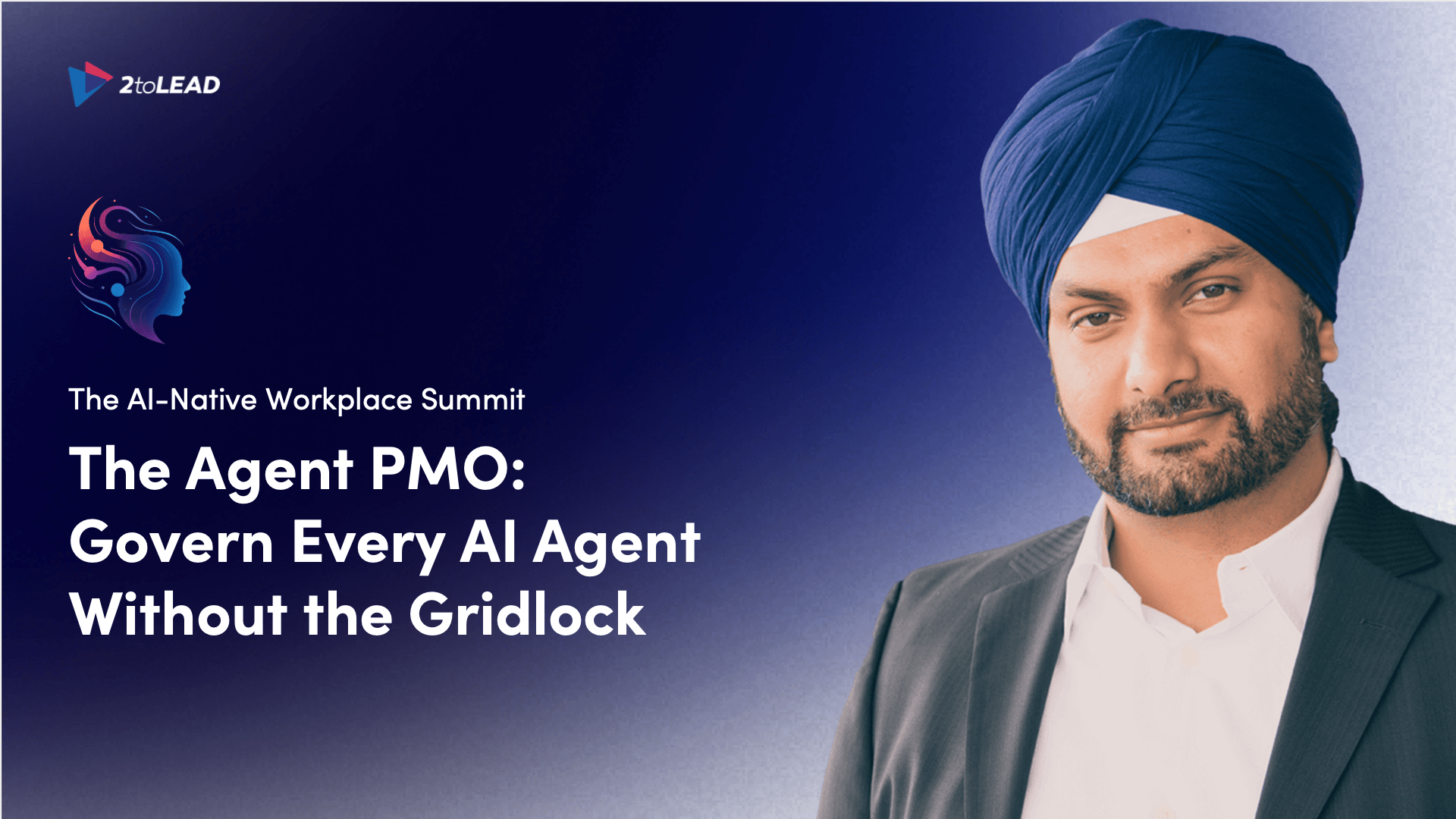
As more teams build and deploy agents across Microsoft 365, Copilot Studio, and connected business systems, CIOs face a new challenge. How do you encourage innovation without creating AI agent sprawl, security risk, and governance blind spots? Join Isha Kapoor and Kanwal Khipple for a focused webinar on how organizations can move from scattered agent creation to a governed, secure, enterprise-ready approach for Microsoft Copilot Studio.
Featured Speakers
Watch On-Demand Now to Get The CIO's Playbook for Copilot Studio
SQL Server migration to Azure VMs is now generally available inside the Azure Arc experience: assess, migrate, monitor, and cut over from one Azure portal workflow. For teams that need lift-and-shift control over the OS and instance (rather than jumping straight to PaaS), this is the pragmatic on-ramp to Azure without retraining staff on a new tool. One migration control plane, more destination flexibility.
Weighing a VMware exit strategy? Microsoft heads to VMware Explore 2026 to talk Azure VMware Solution, the Broadcom partnership, and how to balance continuity with cloud migration, cost, and resiliency. t's a useful pulse-check for infrastructure leaders weighing cost, security, and resiliency as they plan their VMware exit strategy.
Thinking about an AWS-to-Azure migration? In a new Azure Essentials Show episode, Partner Solution Architect Raffaele Garofalo shares hard-won lessons from real cloud migration projects: the planning gaps, cost surprises, and architecture decisions that separate smooth workload migrations from stalled ones. A practical field guide for infrastructure leaders mapping their multicloud exit strategy.
No rewrite. No ripping out your stack. Just a small adapter that turns an existing App Service app into an agent-enabled system. This hands-on pattern wires a FastAPI MCP server on Azure App Service to Azure AI Foundry agents using the Model Context Protocol, with security, auth, and governance built in. The payoff? Agent-driven automation with a centralized, auditable control surface. It's the pragmatic on-ramp to agentic apps.
This is the inner-loop fix developers have been asking for: the Azure SQL Database engine, running in a container on your laptop (now in private preview). Build local, ship to Azure by changing one connection string, free for local dev and CI, and AI agent-ready.
Agents only feel continuous when they can juggle two time horizons, the recent turns that keep a conversation coherent, and longer-term memory that persists across sessions. This post walks through architecting both directly on Azure App Service, so teams can add agent-grade intelligence to the managed platform they already run. A practical, buildable pattern for turning existing web apps into agent-ready ones.

OpenClaw isn't the threat, it's the smoke alarm. Microsoft flagged this unauthorized AI coding assistant as one of the first Shadow AI agents you can now detect and block right inside the Microsoft 365 admin center (public preview). But the real story is bigger: unmanaged agents are already running on corporate devices with user-level permissions, touching files, code, and credentials faster than governance can keep up. This blog breaks down how Shadow AI slips in, why "you can't govern what you can't see," and the visibility-first playbook, discover before you block, to enable safe adoption without killing innovation. If AI agents are quietly becoming your hidden infrastructure, start here.
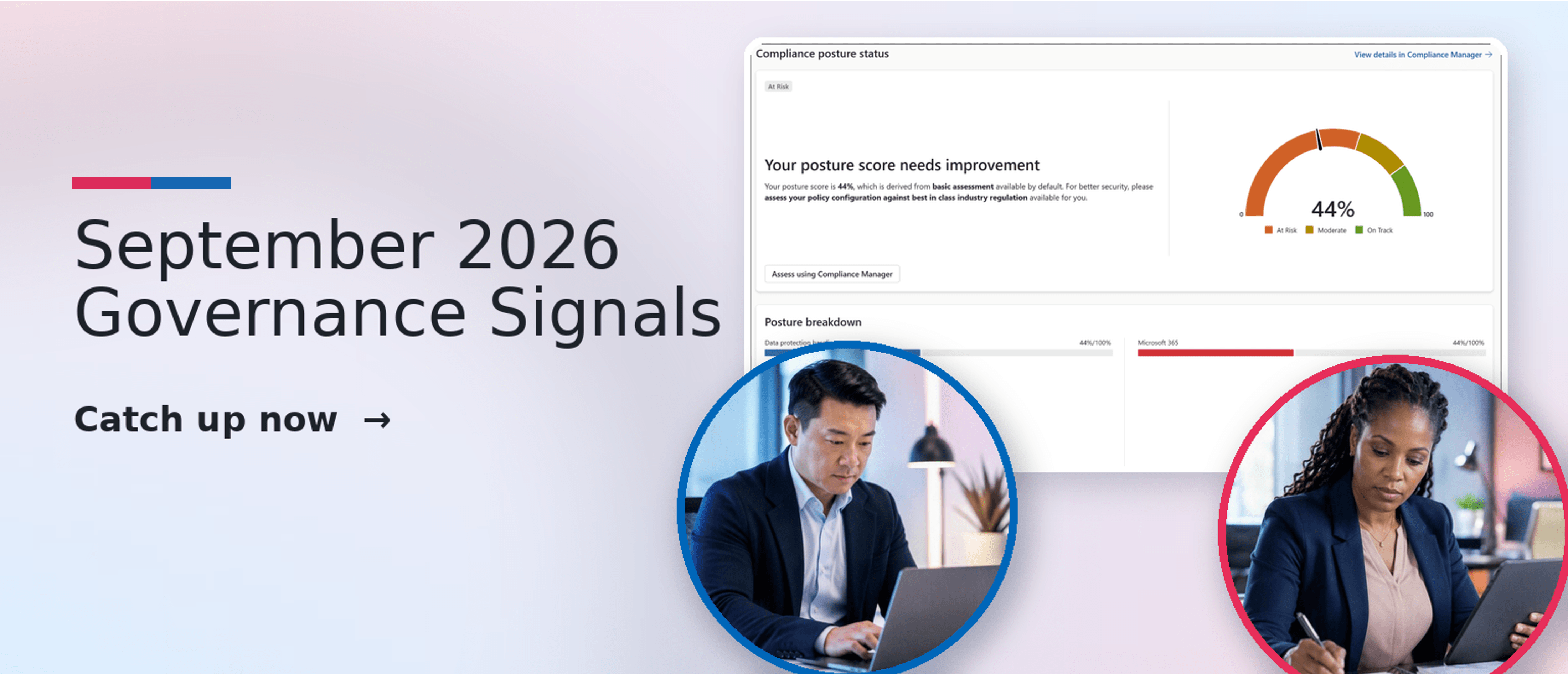
The headline this month is ambient, autonomous security built for the AI era. Microsoft introduced Project Perception (coordinated red, blue, and green agents that expose, investigate, and harden threats), plus new prompt-injection protection in Defender and unified posture and runtime protection for cloud agents in Agent 365. If your clients are securing AI environments end to end, this is the single best "catch-me-up" read of the month.
The physics of cybersecurity are changing, attackers now move at machine speed, and human-scale defenses can't keep up. Microsoft argues security needs a whole new cyber stack and introduces Project Perception, an agentic security system that uses AI to defend against AI. A must-read vision piece for leaders securing the AI era.
The through-line this month is clear: the era of scattered, ungoverned AI is ending, and the era of governed, enterprise-ready AI is just beginning. The organizations winning with AI aren't the ones moving slowest or fastest; they're the ones moving deliberately, with visibility and control baked in from day one.
Ready to move your own agents from chaos to control? Start with our on-demand CIO's Playbook, and reach out anytime. We're always happy to help.


Join Our Newsletter