Six months ago, many organisations entered 2026 focused on AI pilots, Copilot adoption, and the promise of a more productive digital workplace. Those priorities haven't disappeared, but the conversation is beginning to change.
AI is becoming part of everyday work. Employees are discovering information in new ways. Organisational knowledge is becoming more valuable than ever. And perhaps most importantly, leaders are beginning to realise that successful AI adoption depends on much more than technology alone.
As we reach the halfway point of the year, several trends are emerging that are quietly reshaping how organisations communicate, collaborate, share knowledge, and support employee experience.
Some of these trends are expected. Others may be hiding in plain sight. Here are six digital workplace trends we believe are worth paying attention to during the second half of 2026.
The first wave of AI adoption focused on individual productivity. Employees used Copilot to draft content, summarise meetings, and answer questions.
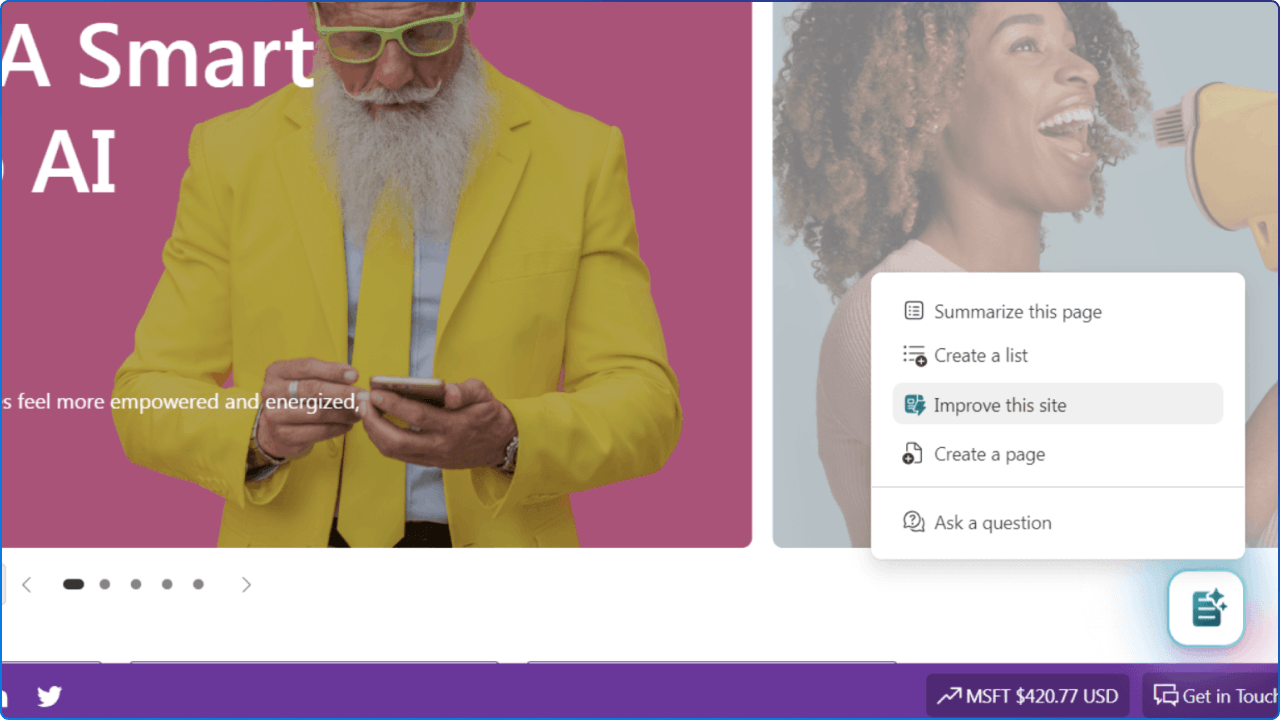
AI is increasingly woven into how work gets done rather than existing as a separate tool. As AI becomes more embedded into everyday experiences, organisations should also consider how their existing digital workplace can evolve to support these new behaviours. Our article on Improving Your SharePoint Site with AI explores several practical examples.
This shift creates a new challenge for leaders. The question is no longer whether employees have access to AI. The question is whether the organisation is prepared for AI to become a permanent part of daily work.
For years, content governance was often viewed as an administrative or technical concern. That perspective is changing.
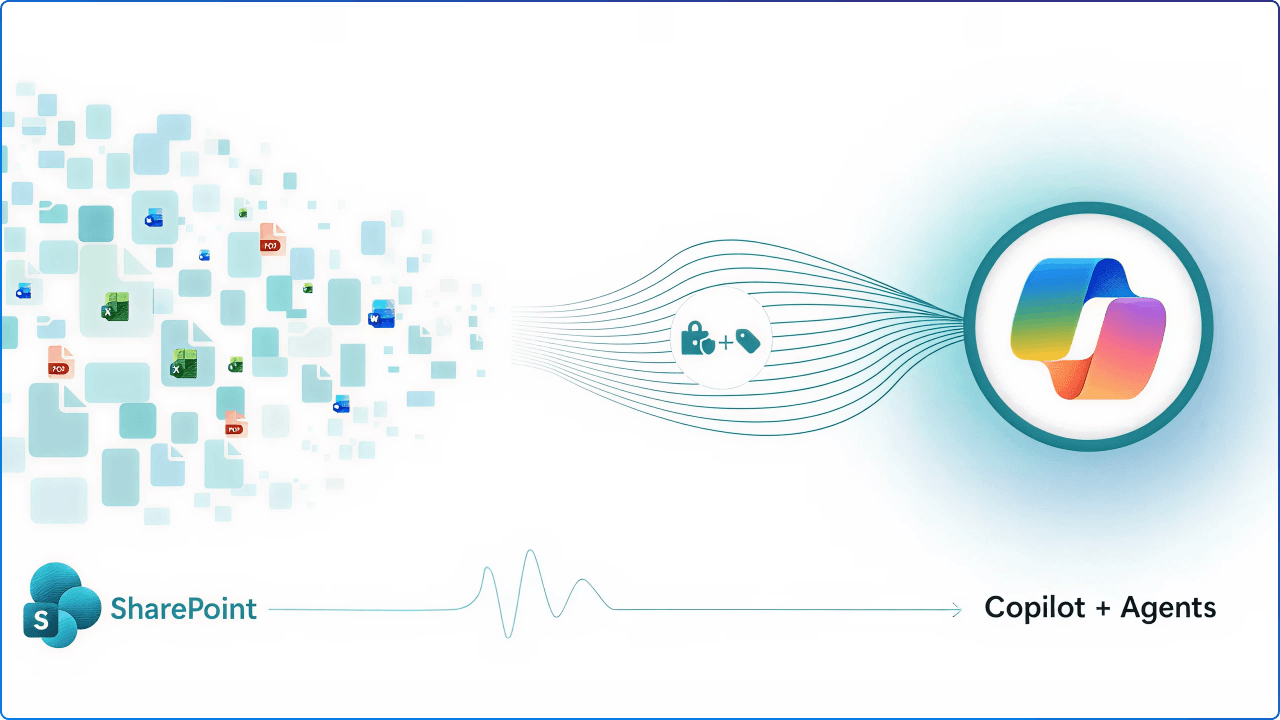
Outdated content, duplicate documents, unclear ownership, and inconsistent information have always created friction for employees. Organisations often focus on prompting and adoption while overlooking the quality of the content that AI depends on. In SharePoint: Powering AI at Work, we explore why organisational knowledge has become such an important foundation for AI success.
Employees depend on trusted information to make decisions, complete tasks, and serve customers. Improving content quality is no longer simply about maintaining an intranet. It is about improving the employee experience and creating a stronger foundation for AI-enabled work.
As we often tell our clients, every content problem eventually becomes an employee experience problem. The interesting question is this: if AI relies on your organisational knowledge, what happens when that knowledge is incomplete, outdated, or difficult to trust?
The traditional intranet was built around navigation.
Employees would visit the homepage, browse menus, and click through layers of content to find what they needed.
Increasingly, employees are starting somewhere else.
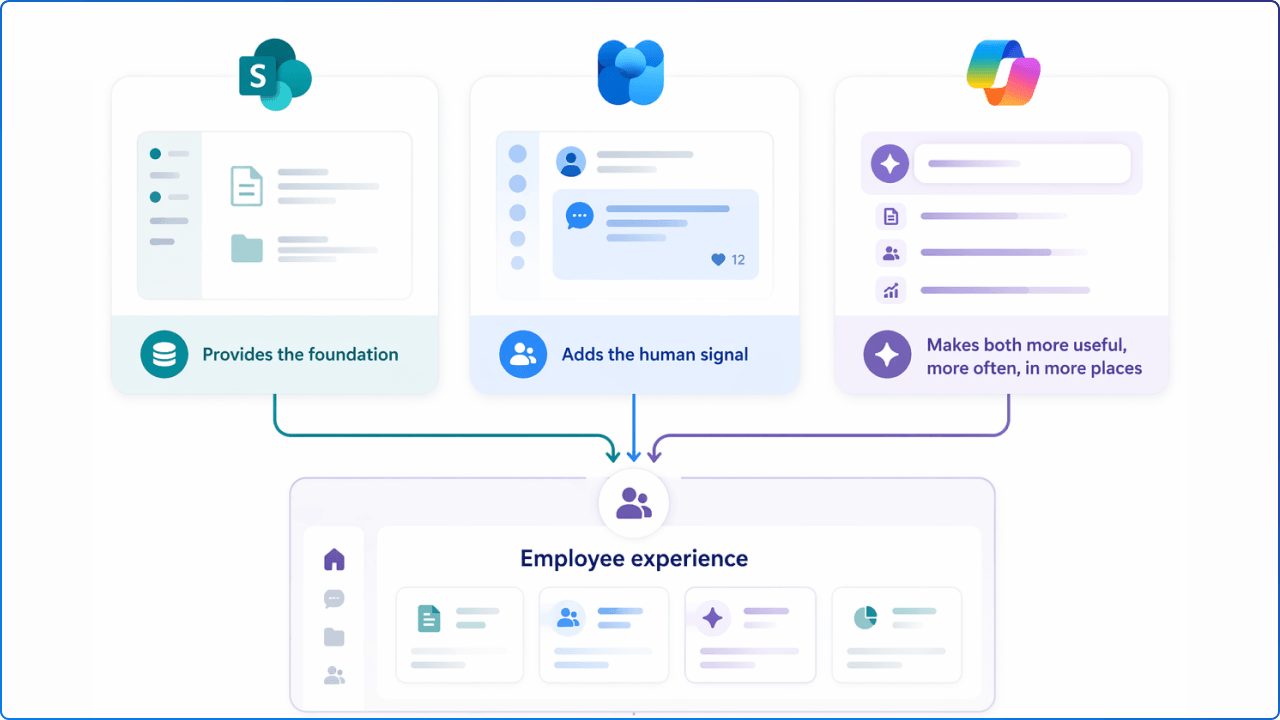
Search, Microsoft 365 Copilot, Teams, and Viva Connections are changing how information is discovered and consumed. Rather than navigating through content structures, employees expect information to find them based on context, relevance, and intent. This shift is similar to what we explored in 3 Shifts Redefining Your SharePoint Intranet and the Digital Workplace, where we discussed how SharePoint, Viva Engage, and Copilot are increasingly acting as layers of a single employee experience.
This does not mean intranets are becoming less important. It means their role is changing.
Employees may never visit your homepage, but they will still rely on the content, knowledge, and experiences behind it. The organisations that recognise this shift early will likely design digital workplaces very differently from those still optimising for clicks and navigation.
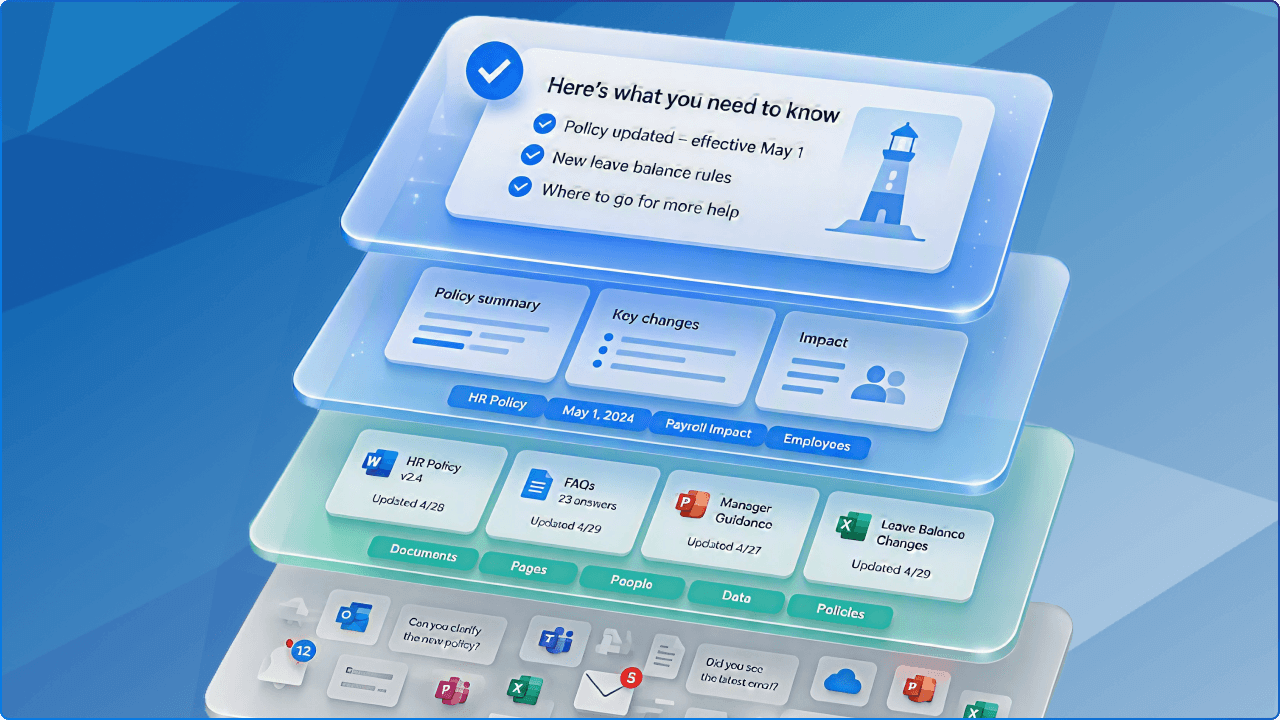
The modern workplace does not suffer from a lack of information. Employees are navigating communication from leadership, project teams, communities, chats, emails, and now AI-generated content. In this environment, trust becomes increasingly valuable.
People pay attention to information they believe is relevant, accurate, and useful. They ignore information that feels disconnected from their work or difficult to verify.
As organisations adopt new communication channels and AI-powered content creation tools, building trust through clarity, transparency, ownership, and relevance is becoming an essential part of the employee experience.
The challenge for communicators is no longer publishing more content. The challenge is helping employees confidently act on it. In Building the Trust Layer of Your Internal Communications, where we examined why employees choose to believe some communications while ignoring others.
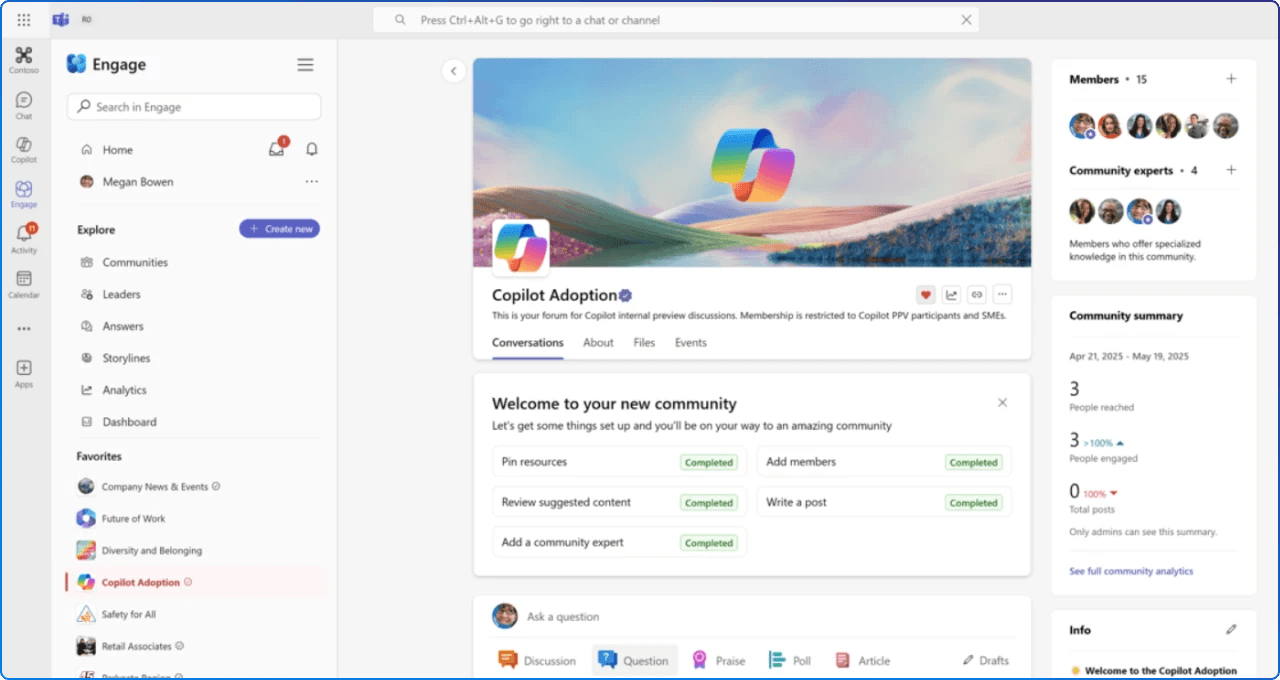
Communities were traditionally viewed as engagement tools. They helped employees connect, ask questions, and share experiences.
Today, communities are playing a much larger role in the knowledge ecosystem.
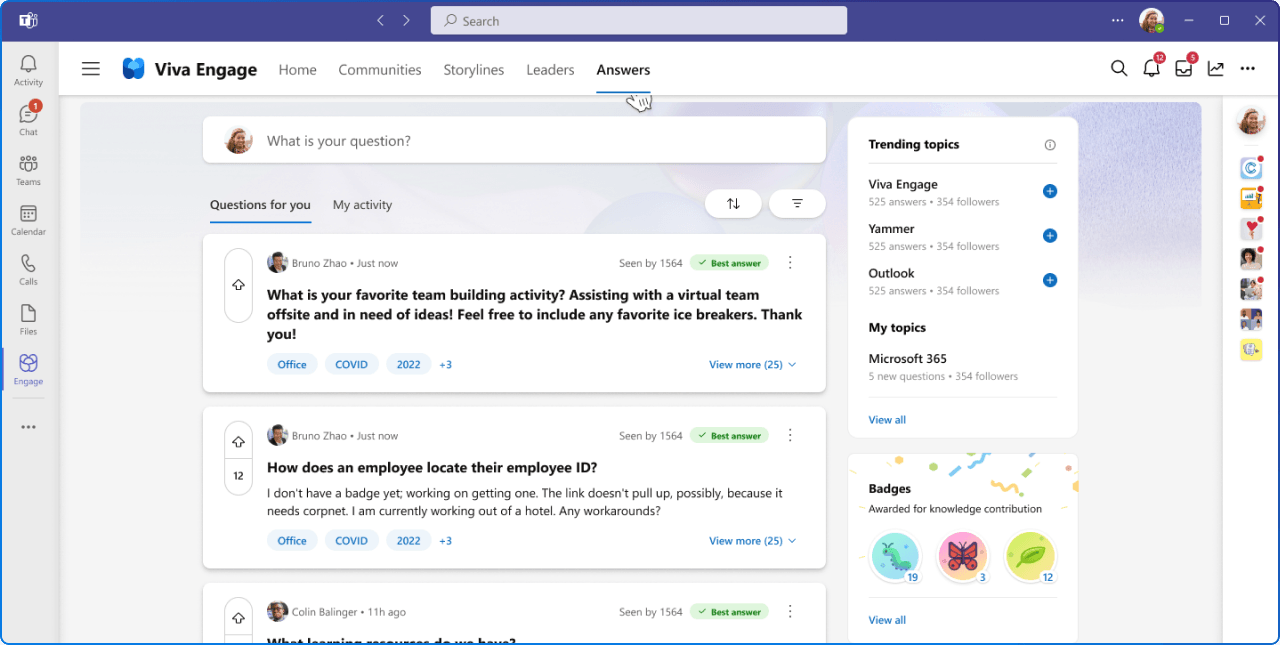
Questions answered in Viva Engage communities, peer-to-peer expertise sharing, and adoption-focused communities are helping organisations capture practical knowledge that might otherwise remain hidden in chats or inboxes. Organisations are increasingly recognising that communities are more than engagement channels. As we discussed in Viva Engage: Updates and Tips to Build Engagement in the Digital Workplace, communities can support learning, adoption, and knowledge sharing at scale
The most successful organisations are no longer separating engagement from knowledge management. They recognise that communities often become one of the most valuable sources of organisational learning.
The next challenge is identifying when useful conversations should evolve into lasting organisational knowledge, a topic we explored in How to Turn Repeat Questions into Trusted Answers.
Many organisations still measure AI readiness through licences, training attendance, pilot projects, or usage statistics. While those metrics matter, they only tell part of the story.
The organisations seeing the greatest success with AI are often investing in areas that look surprisingly familiar:
In other words, they are investing in employee experience. Technology may enable AI, but employee experience determines whether people can use that technology successfully.
The stronger the employee experience foundation, the greater the opportunity to realise value from AI. Which raises an important question: if employee experience has become one of the strongest predictors of AI success, are organisations measuring and improving the right things?
While much has changed during the first half of 2026, one theme continues to emerge across nearly every major digital workplace trend.
Whether organisations are adopting Copilot, modernising SharePoint, strengthening internal communications, or building stronger knowledge management practices, success increasingly depends on creating experiences that help employees find information, connect with others, and do their best work.
The digital workplace is becoming more intelligent, more connected, and more personalised. Yet many of the biggest opportunities are still deeply human: trust, knowledge sharing, communication, learning, and community.
The organisations that thrive during the next phase of AI adoption may not be the ones with the most advanced technology.
They may be the ones that create the strongest employee experience.
The trends above point to a common theme: organisations are being asked to rethink how employees communicate, learn, discover information, and get work done.
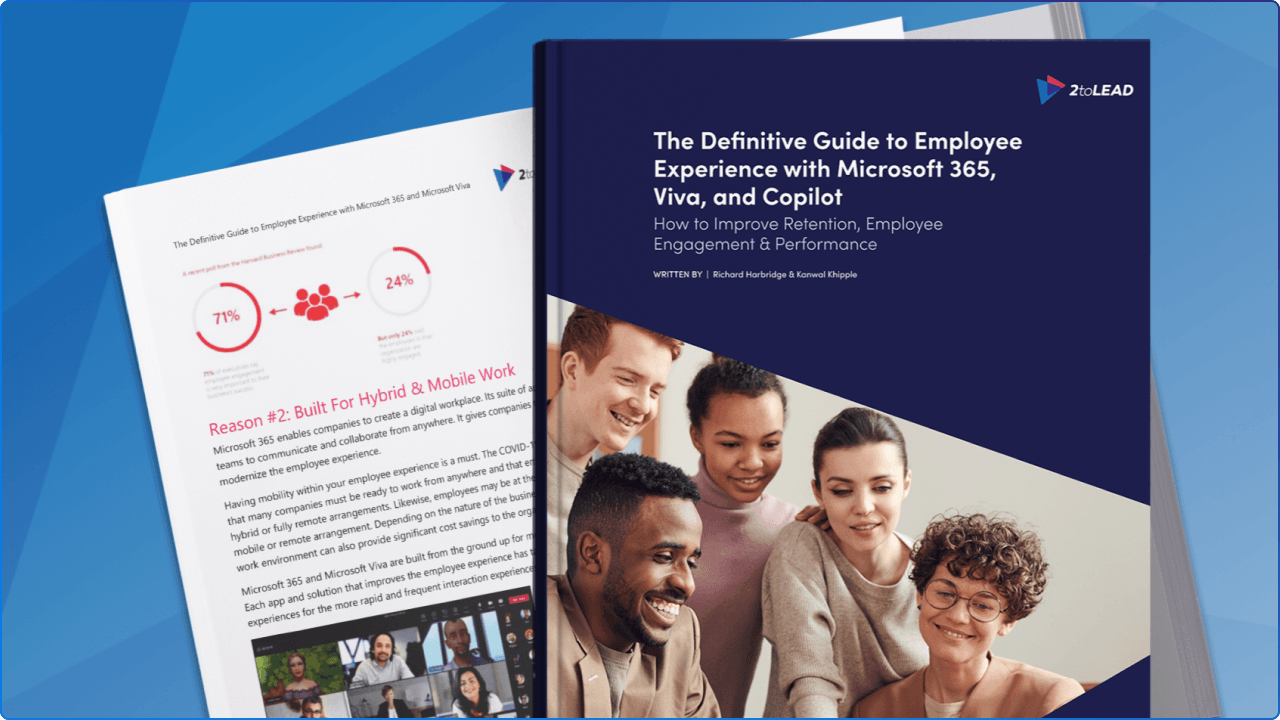
If you're exploring how Microsoft 365, Viva, SharePoint, and Copilot fit into that journey, our Definitive Guide to Employee Experience with Microsoft 365, Viva, and Copilot provides practical frameworks, proven strategies, and real-world examples to help you build a more connected and effective digital workplace.
Explore how leading organisations are improving employee experience in the age of AI.


Join Our Newsletter