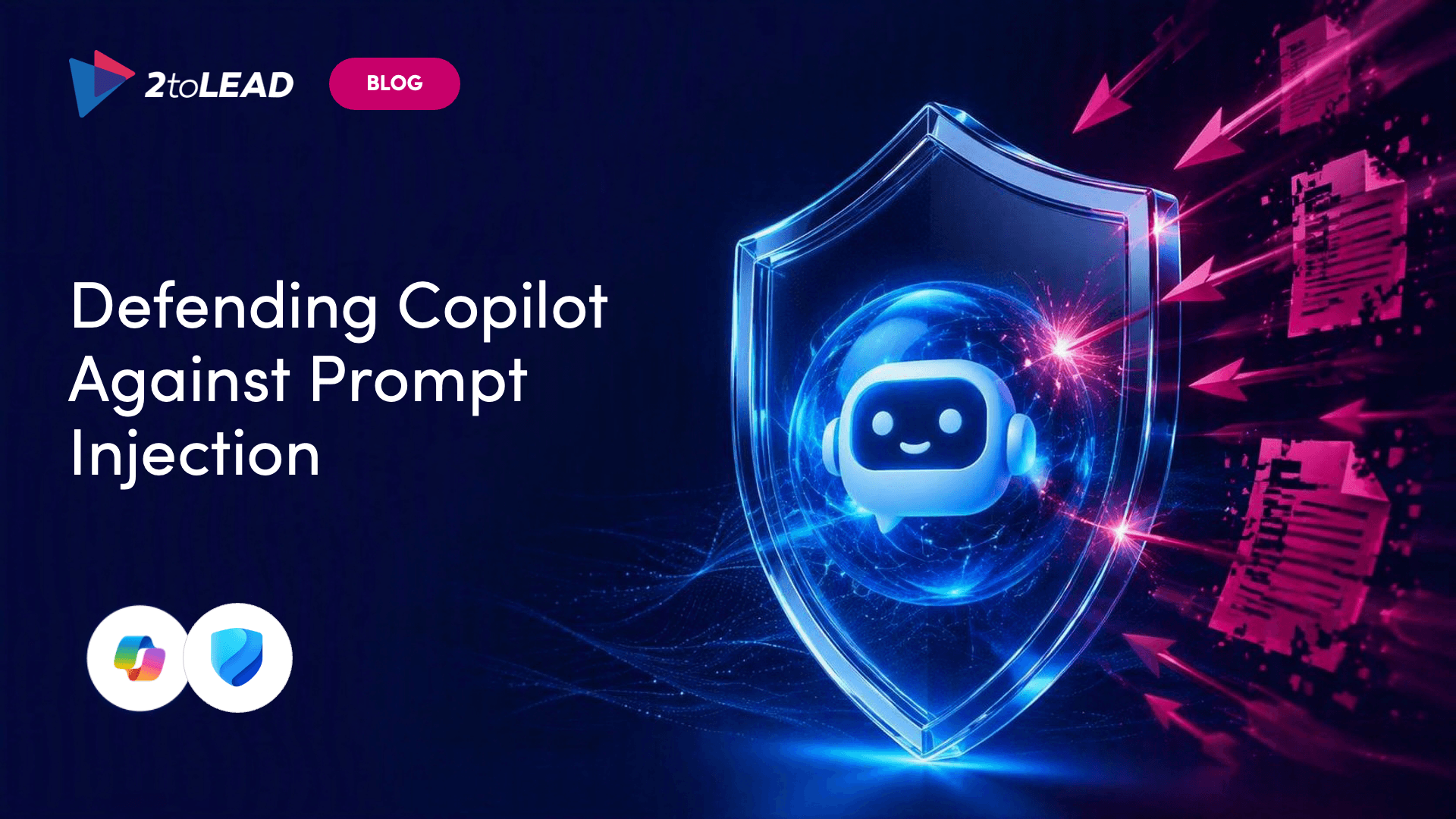
Here is the uncomfortable part of securing AI in the enterprise: prompt injection is not a bug waiting for a patch. It is a design assumption you build around.
Microsoft's own Zero Trust guidance says it plainly, telling organizations to design systems expecting that some attacks will succeed. That is the same logic that made assume breach the default posture for identity a decade ago.
Most content on this topic opens with fear and closes with a product pitch. Here is the more useful altitude: what Microsoft already handles, and what you own the moment you build a custom agent.
Traditional phishing targets a person. Prompt injection targets the assistant that person trusts.
Copilot reads mail, files, chats, meetings, and the systems you connect through agents and connectors. Every one of those integrations is a trust boundary, and every piece of content crossing it can carry hidden instructions.
The core problem: a model cannot reliably separate content it should summarize from instructions it should follow. Both arrive as text. Input validation was built to catch malformed data, not persuasive language, which is why Microsoft calls conventional validation insufficient here.
Indirect is the variant that should keep security teams awake. Hidden text in white font, an HTML comment, or an innocuous looking attachment can each carry a payload, and the victim does nothing wrong. They simply ask Copilot a normal question
In June 2025, researchers disclosed EchoLeak (CVE-2025-32711), a zero click indirect prompt injection vulnerability in Microsoft 365 Copilot. A single crafted email could cause Copilot to pull internal content into its context and route it to an attacker controlled server, with no user interaction beyond ordinary Copilot usage.
What made it notable was the chain. Published analysis describes the exploit evading Microsoft's cross prompt injection attempt classifier, slipping past link redaction with reference style Markdown, exploiting automatic image prefetching, and proxying data through an already permitted domain.
Microsoft patched it server side and confirmed no evidence of exploitation in the wild. No customer action was required. From a vulnerability management standpoint, EchoLeak is closed. The category is not.
The bypasses were fixed, but the structural condition behind them, an assistant with broad internal read access that can also produce outward bound content, describes every useful AI assistant. Which is why Microsoft's guidance is layered rather than singular.
Each of these has an interface, a log, or a toggle attached.
JailbreakDetected Boolean flag showing whether a jailbreak attempt was made in a prompt. That one field turns an abstract risk into a query your SOC can run.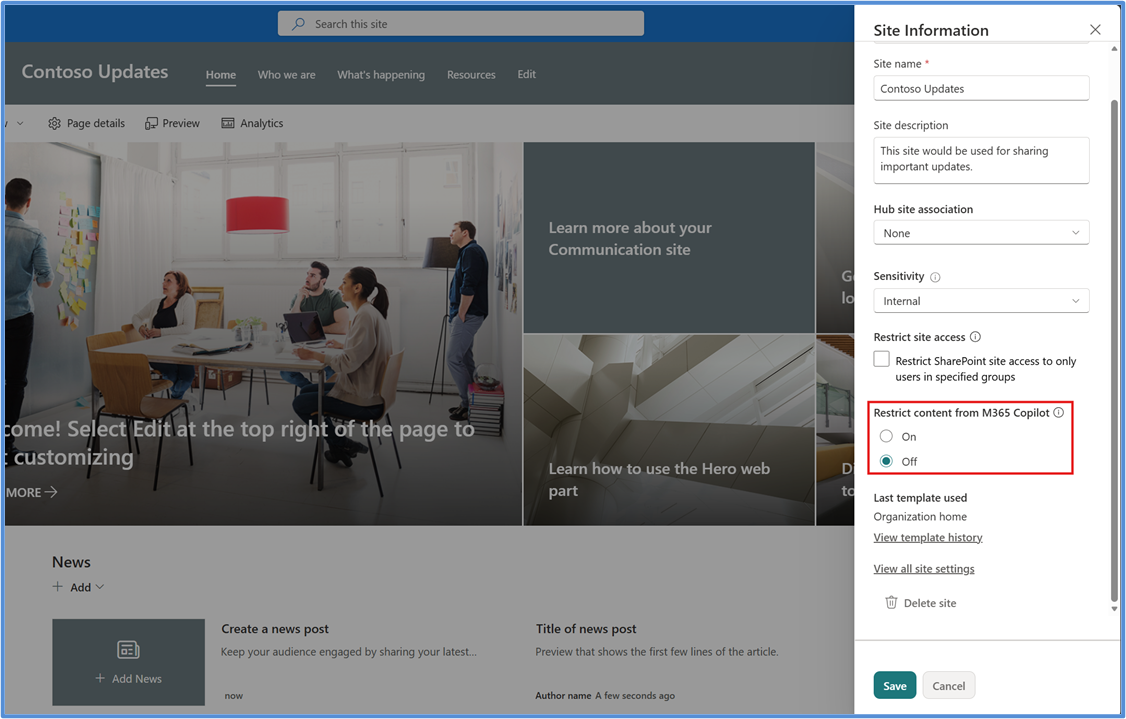
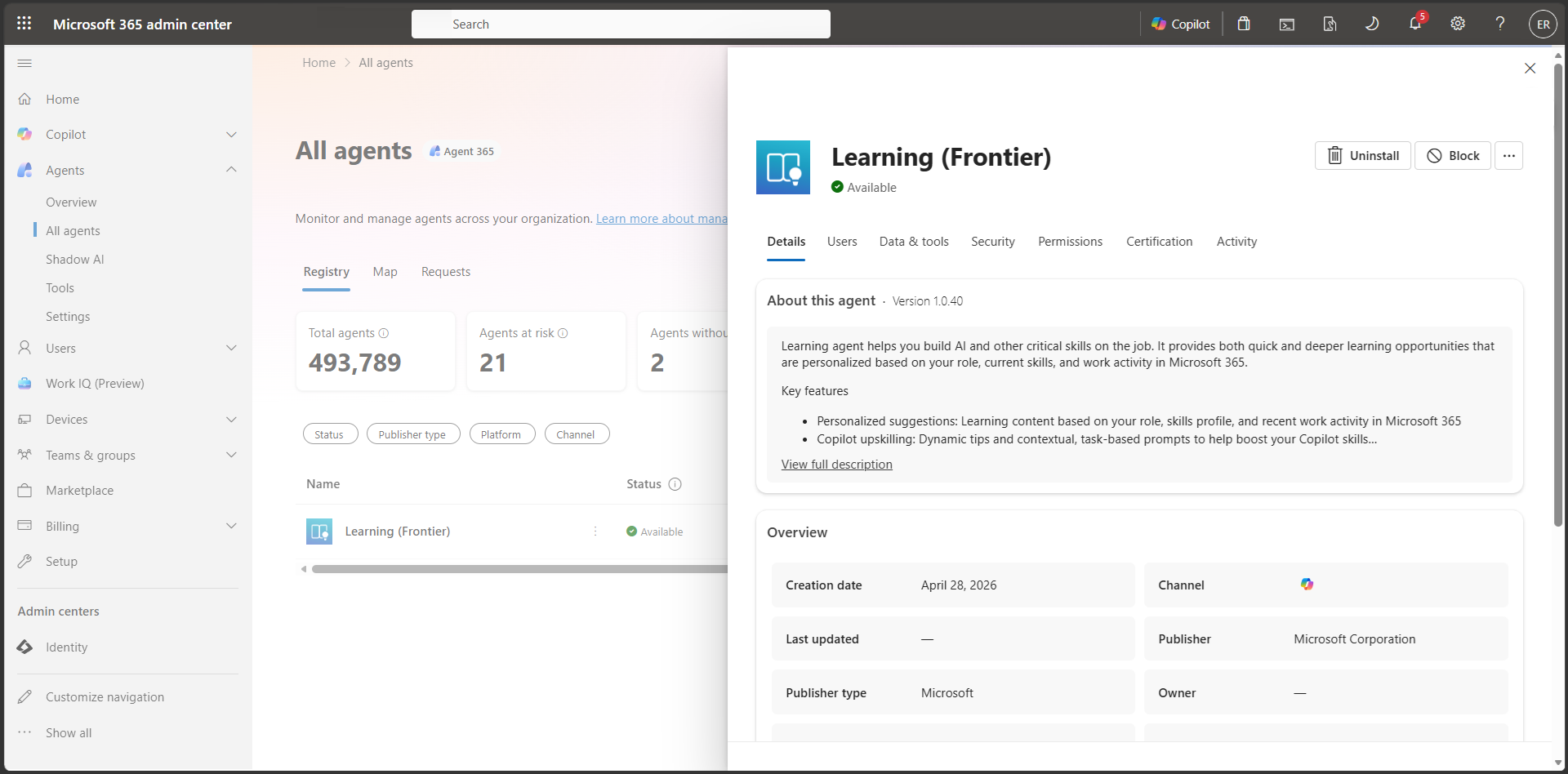
This mirrors the patterns we covered in Building Trustworthy AI with Azure AI Foundry: detection, isolation, and governance working together rather than a single gate.
Platform controls protect the platform. The moment your makers build in Copilot Studio, you inherit a share of the responsibility. Microsoft's Zero Trust pattern points to five practices:
Agent Factory: a blueprint for safe and secure AI agents shows how these fit a repeatable build process, and Copilot Studio for Custom Agents covers the maker decisions that set your blast radius.
Indirect prompt injection is the top entry in the OWASP Top 10 for LLM Applications and Generative AI 2025, and Microsoft notes it is among the most widely used techniques in AI security vulnerabilities reported to them.
You are not reacting to one CVE. You are addressing the leading recognized risk category for technology you have already deployed.
JailbreakDetected flag and alert on patterns, not single events. Prompt injection earns the phishing comparison for one reason: it exploits trust rather than code.
Phishing became manageable not because vendors shipped better filters, but because organizations layered controls with process, monitoring, and a clear assumption that some attempts would get through.
Apply the same discipline and Copilot stays what it should be, a productivity advantage with a risk posture you can defend.
Pressure-test your agents before attackers do. Start with the AI Agent Readiness Checklist.
What is indirect prompt injection? An attack where malicious instructions are hidden inside third-party content such as an email, document, or web page, which the AI then misreads as legitimate commands.
Can prompt injection steal data from Microsoft 365 Copilot? EchoLeak (CVE-2025-32711) showed exfiltration was possible through a chained zero click exploit. Microsoft patched it server side and reported no exploitation in the wild. The flaw is closed, the attack class remains a design consideration.
What are Prompt Shields and Spotlighting? Prompt Shields analyze and sanitize incoming prompts to detect injection attempts. Spotlighting uses data marking and metaprompting to isolate external content, so the model treats it as information, not instruction.
How do I detect jailbreak attempts in Copilot audit logs? Look for the JailbreakDetected Boolean flag in audit records for Copilot and AI applications. It indicates whether a jailbreak attempt was made in a given prompt.
Does Microsoft protect against prompt injection by default? Yes, through layered defenses including hardened system prompts, Spotlighting, Prompt Shields, and deterministic blocking of known exfiltration paths. Some controls, such as Defender for Office 365 Plan 2 protection and Restricted Content Discovery, depend on licensing and configuration.


Join Our Newsletter