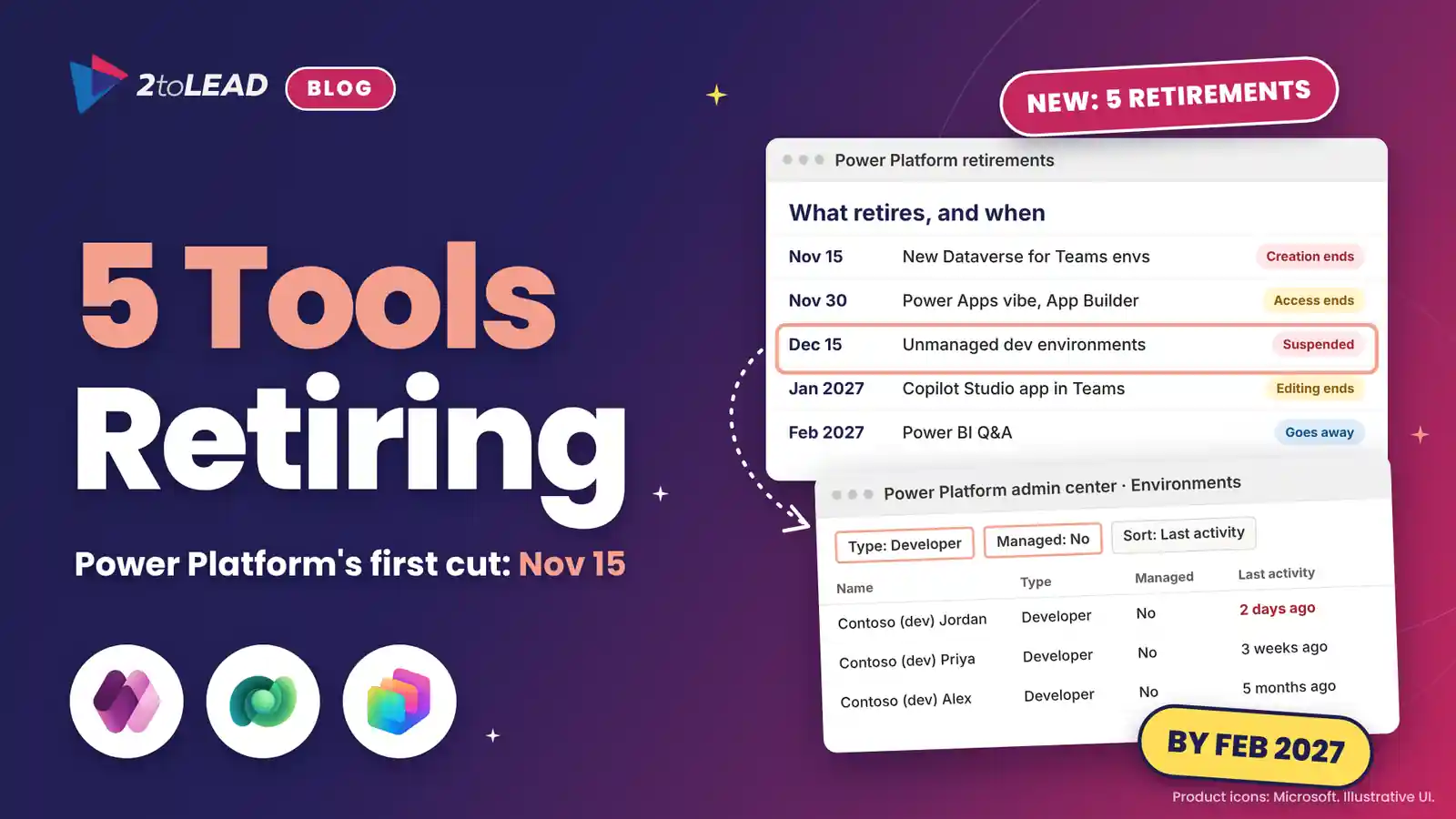
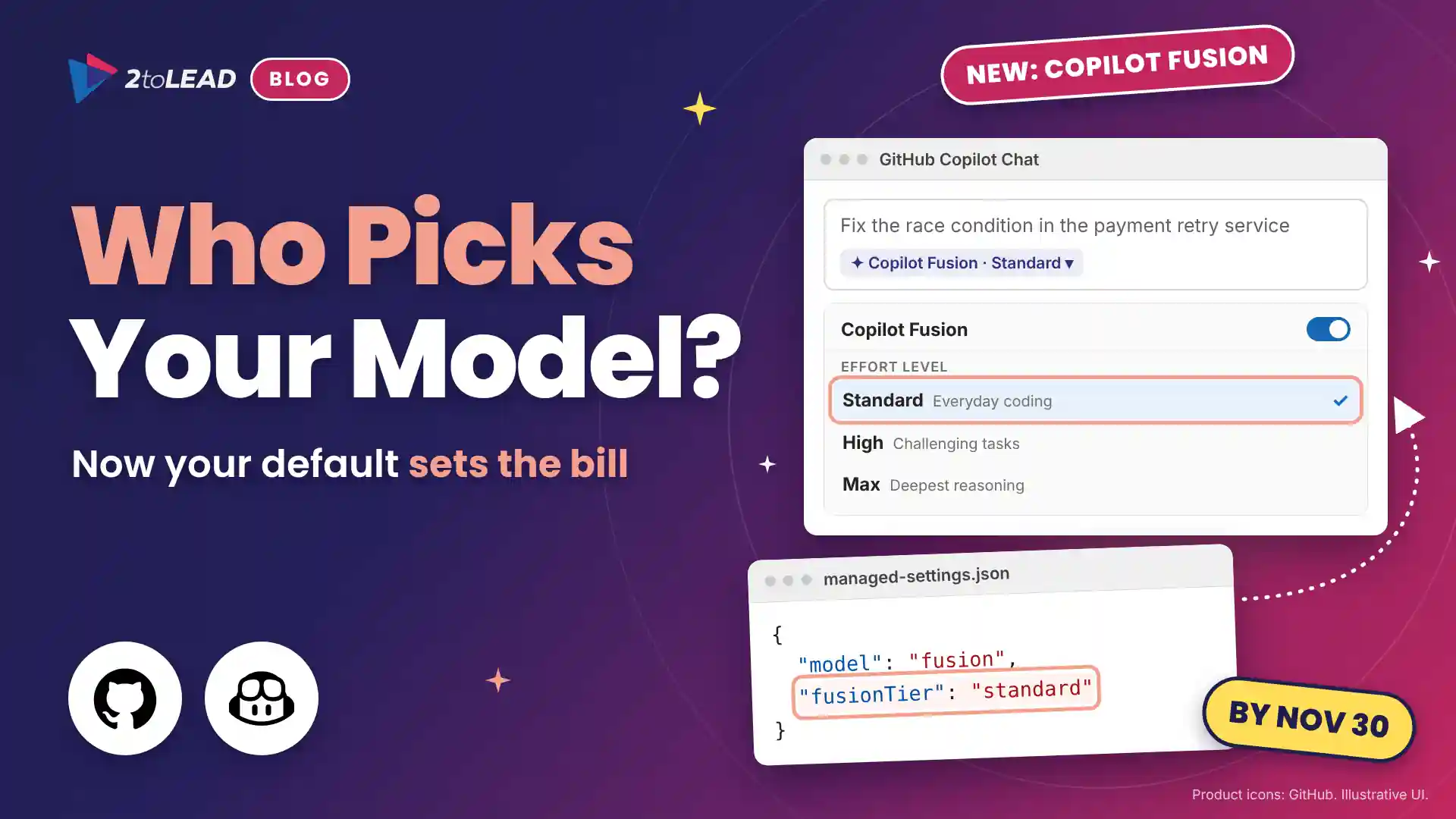
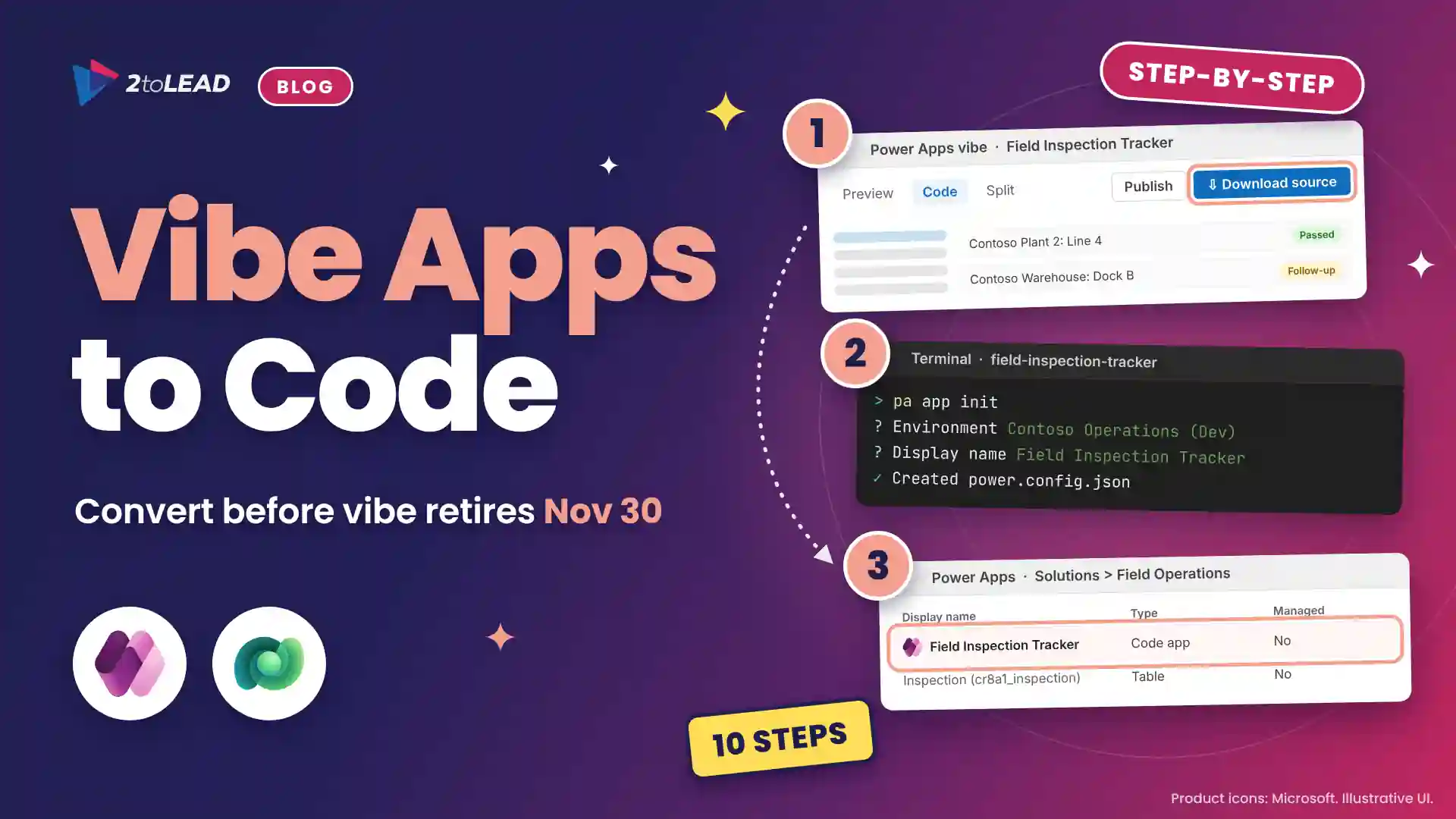
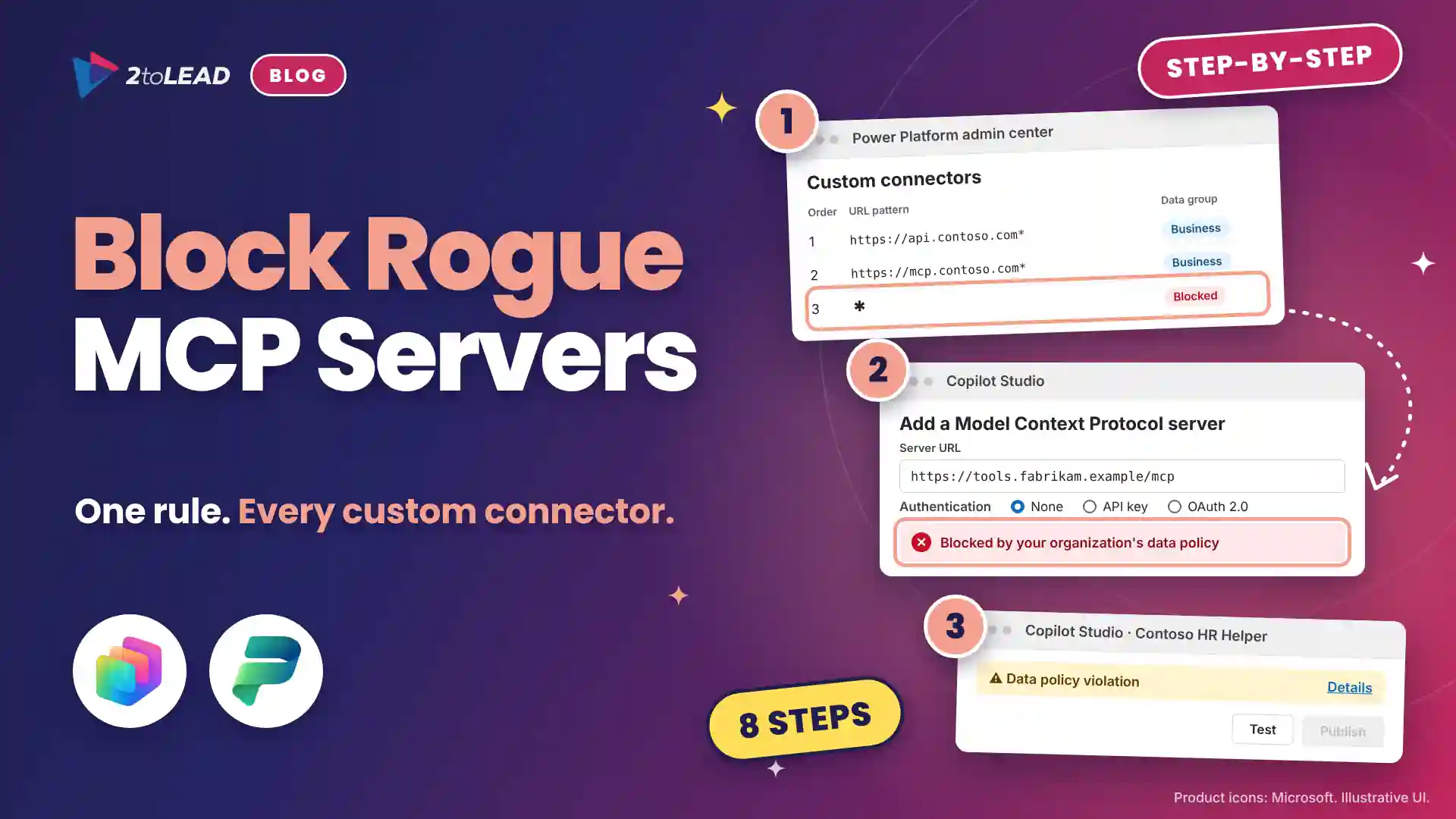
PPCC 2026 announcements decoded for IT leaders: Maker Con 2027, the canvas app authoring agent, Copilot Studio MCP and who owns each new maker meter.
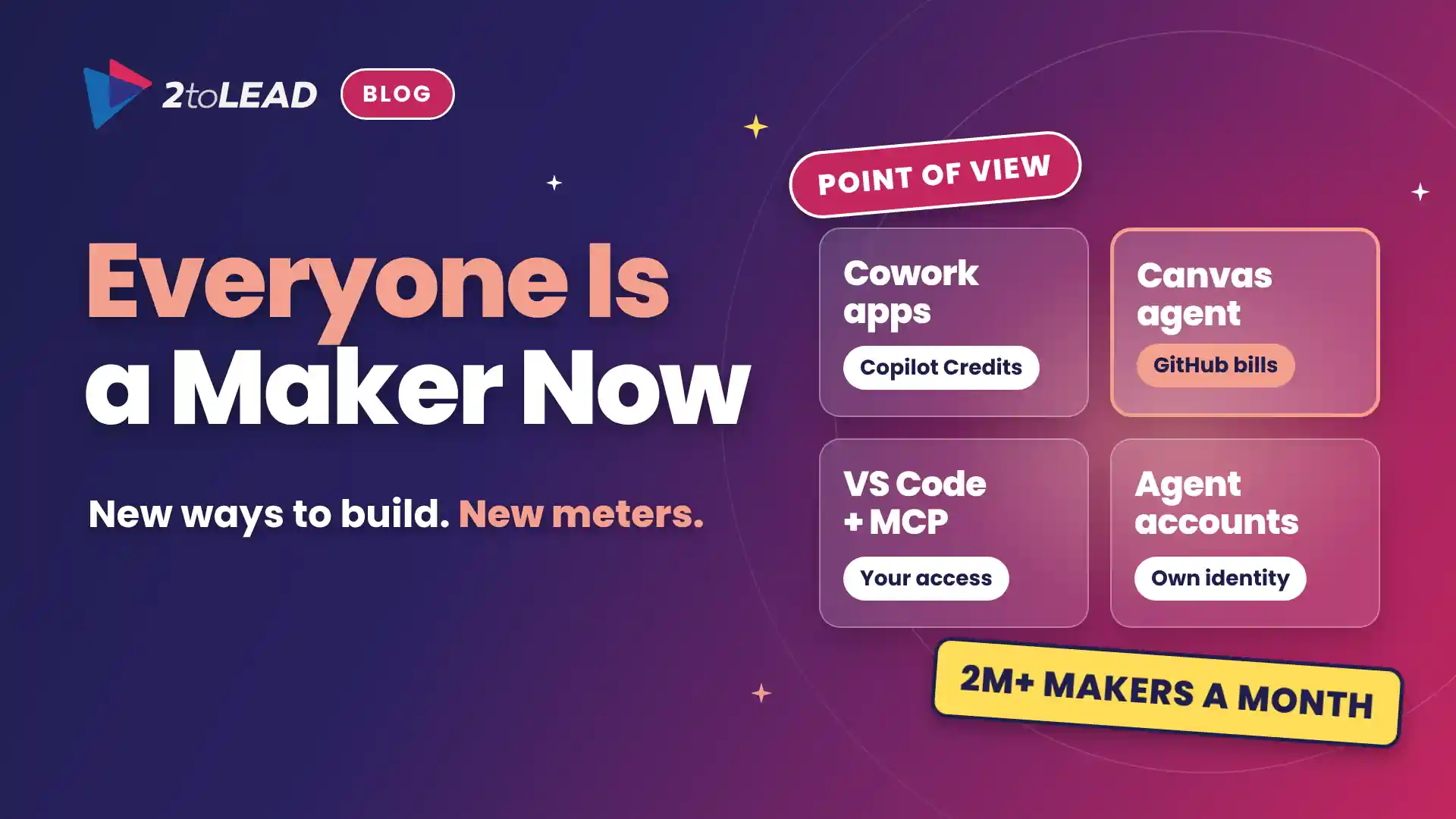
TL;DR: PPCC 2026 was the last Power Platform Community Conference. Microsoft renamed it Maker Con, and the announcements say the same thing: anyone can now build, from Copilot Cowork, canvas studio, Visual Studio Code or an agent with its own account. Each path has its own identity and meter, so govern the paths, not the product.
The PPCC 2026 announcements made one thing plain: every employee is now a maker, and most governance models cover only one of the ways they build. If you still govern makers through Power Apps licenses and a Center of Excellence that watches one portal, much of what Microsoft showed in Las Vegas will happen outside your view.
More than 9,000 people attended the fifth and final event under the Power Platform Community Conference name. The next one is Maker Con, in Chicago from November 2 to 4, 2027. A year ago we covered the five biggest announcements from PPCC 2025 as product news. This year the news carries a governance message, as Microsoft's own recap, Built by makers: five years of Power Platform Community Conference, makes clear.
Everyone can build now. Someone still has to own what they build.
Microsoft used PPCC 2026 to show four new ways to build apps, workflows and agents, and renamed the conference to match. The growth numbers explain why.
Microsoft says more than two million makers are active every month, running more than four million apps. Power Apps daily users grew 20% in a year, and app usage in Copilot Studio more than tripled. The four new maker paths are:
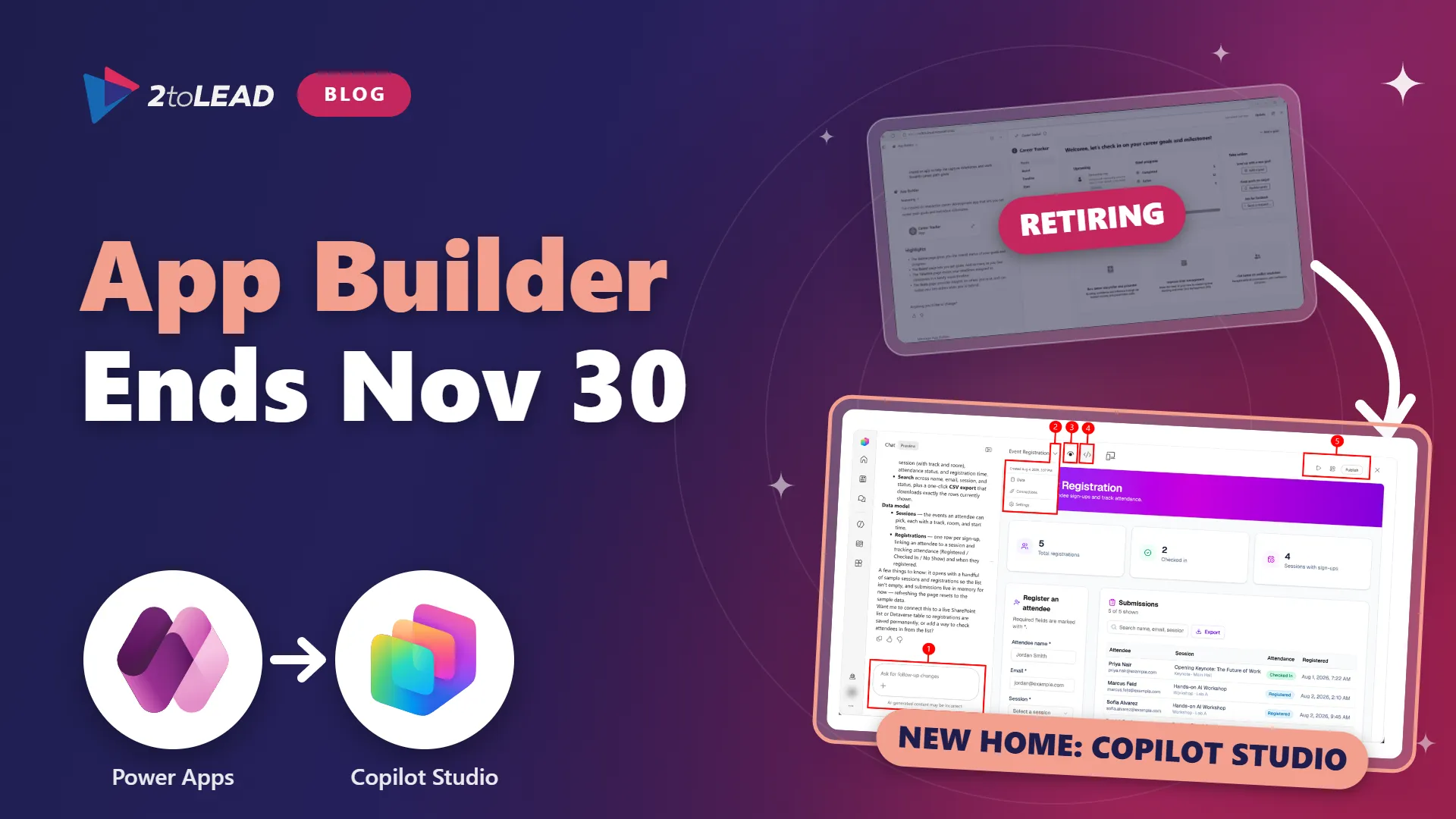
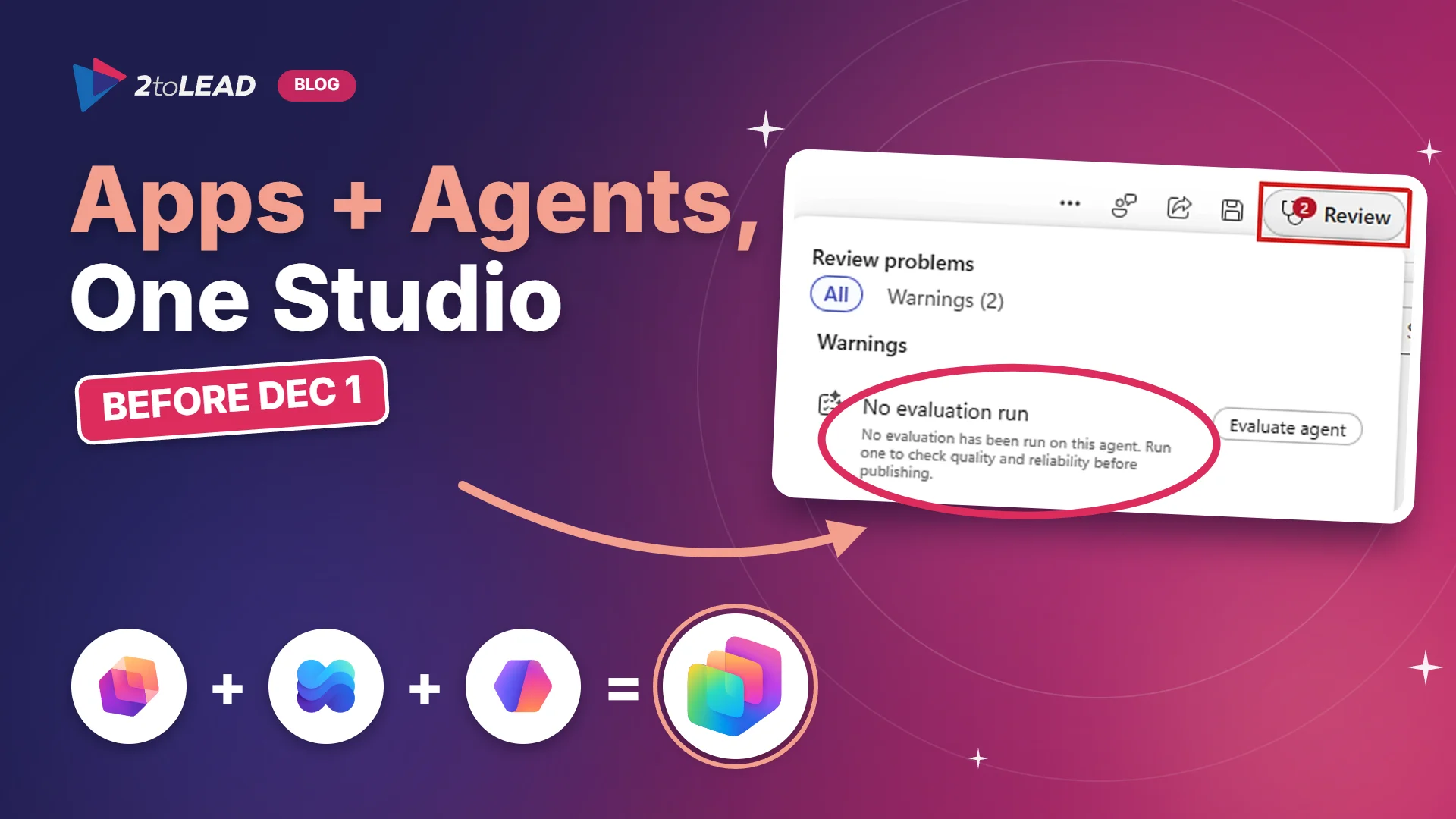
Underneath them, the GitHub Copilot harness in Copilot Studio is now the Microsoft Copilot harness, and Microsoft's pitch for all of it is "no cliffs": a developer can take over a business-built solution in Visual Studio Code without rebuilding it.
The rename confirms that Microsoft no longer draws a line between makers and everyone else. Most governance models still do.
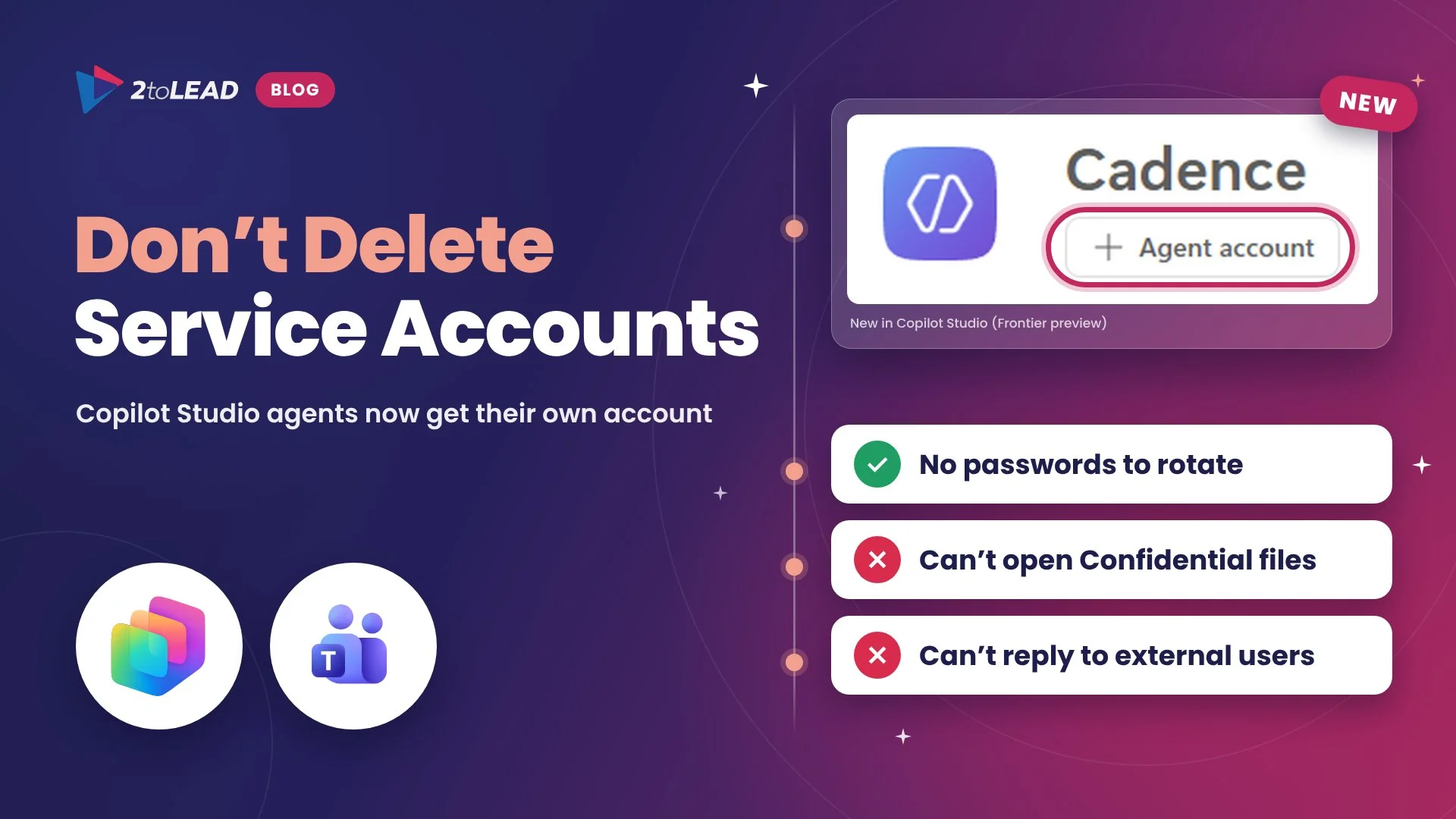
A maker path is any route an employee can use to build an app, workflow or agent, and each one comes with its own identity, its own meter and its own place where IT controls it. The Power Platform governance most organizations run was designed for one path: one front door in the maker portal, one meter in Power Apps and Power Automate licenses, and one identity, the maker's work account.
PPCC 2026 added front doors in Cowork, canvas studio and Visual Studio Code, meters in Copilot Credits and GitHub billing, and identities that belong to agents. No cliffs is good news. It also means one solution can pass through three identities and two bills in its first month.
Every maker path needs an owner and a meter. Use this map to see who builds on each path, whose identity it runs as, who bills for it and where IT controls it.
Read the canvas row twice. Microsoft Learn says the authoring agent sends prompts and app context to GitHub under the terms of whichever GitHub account the maker connects, and GitHub bills that account. That makes the choice of GitHub account a governance decision, not a login step.
That is the strongest objection, and the answer is no. A Center of Excellence built for Power Platform assumes one front door, one meter and one kind of identity, and PPCC 2026 broke all three.
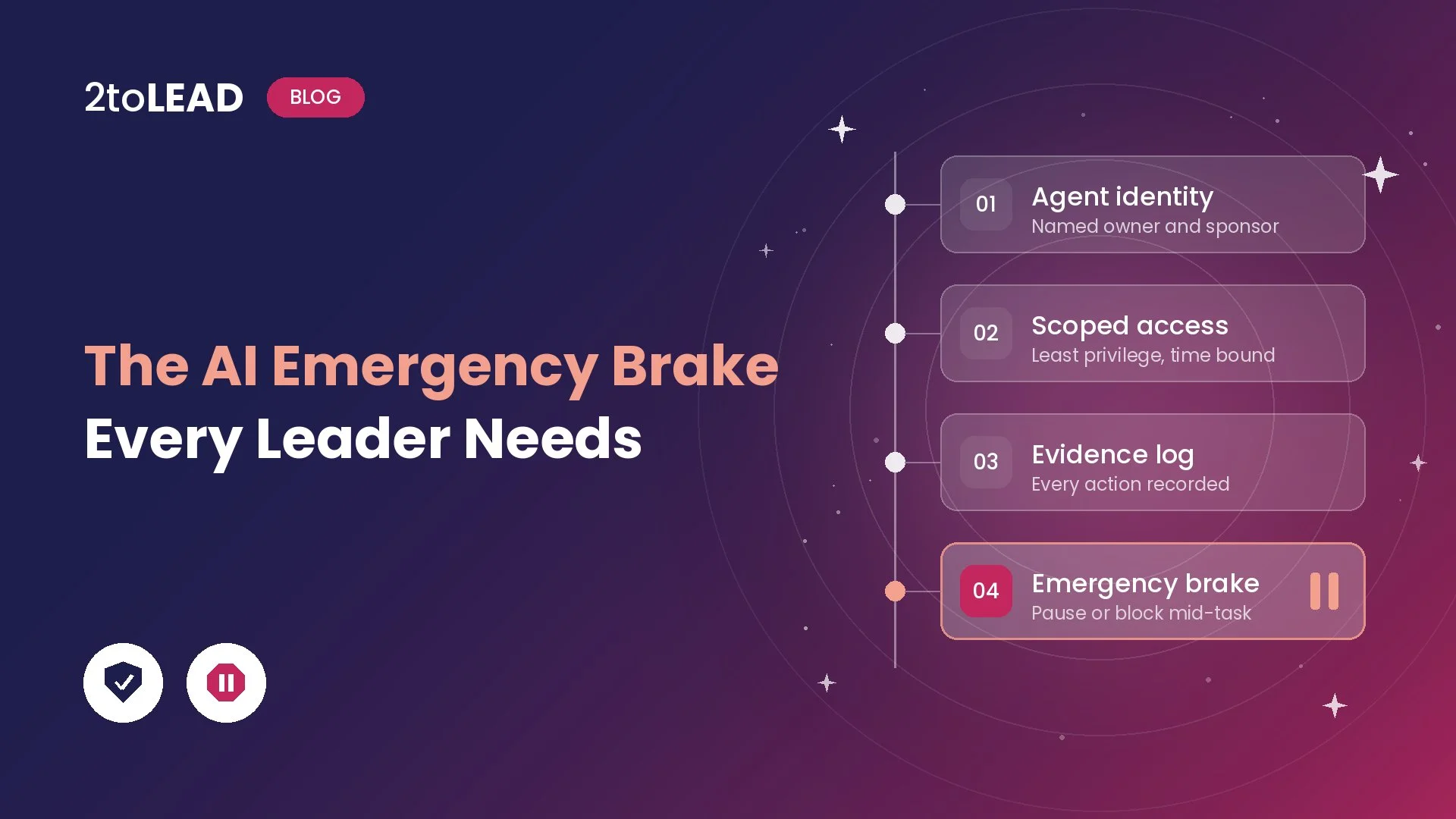
Your CoE has handled citizen developers for years, and most of these features are previews. But previews are the cheapest time to set rules: nobody depends on the defaults yet. Blocking every path isn't a strategy either. The canvas agent stays off until a tenant admin enables it, which is the right default, but makers who are refused everything find tools you can't see. That is how agent sprawl became the new shadow IT.
Here is a composite from recent governance reviews, with details changed. A 900-person professional services firm had a mature CoE with data policies and a monthly license report. When we mapped its makers, the CoE could see every Power App and flow, but not the Copilot Studio agents consultants built in the default environment, or the personal GitHub accounts two developers used to try AI coding tools on canvas apps. Nothing had gone wrong. Nobody had decided it was allowed, either.
Govern maker paths instead of products. Five moves fit in a quarter, and the first two cost only a decision.
Count the hours each maker path returns and compare them with that path's spend. A path with no owner can't be measured, and that is its real cost.
Microsoft's customer stories show the prize. At Asurion, a Copilot Studio agent lifted touchless invoice processing from under 20% to more than 70%. The NFL's Game Ops Dashboard saves its team 8 to 12 hours a week in data entry and reporting.
In a 2toLead illustrative model (swap in your own numbers), 50 makers each ship one app that saves a team of eight people 20 minutes a week. That is about 578 hours a month, or roughly $31,800 at a $55 loaded hourly rate. One rule keeps the meters honest: hold combined maker spend below a third of the value it returns, about $10,600 a month here, and review it monthly. Report hours returned and the share of apps and agents with a named owner, alongside the Copilot adoption metrics that prove value.
Three questions come up most.
The name is. Microsoft renamed the event Maker Con, and the next one runs in Chicago from November 2 to 4, 2027. PPCC 2026 in Las Vegas was the fifth and last event under the Power Platform Community Conference name.
GitHub bills for it. Makers connect a GitHub account, and GitHub bills that account for usage through its existing billing plan. The preview is available only in the United States, in English, after a tenant admin enables the Agentic Coauthoring in Power Apps using GitHub setting.
Yes. Copilot Studio MCP, a Microsoft-published npm package, lets Visual Studio Code and GitHub Copilot CLI inspect, author, test and troubleshoot agents and workflows. It works with the signed-in user's identity and environment permissions, and saving a draft is separate from publishing it.
2toLead helps organizations in healthcare, nonprofit, education, financial services, professional services, government and manufacturing govern what their people build. In a fixed-scope, one-day Maker Governance Day, our Microsoft MVP team will:
Find more practical guidance on the 2toLead Insights hub, or book a Maker Governance Day.
No hype. Just practical, governed AI that actually gets adopted.
Copilot can surface what people shouldn't see. Three ways we help:
A professional organization built a Purview-based foundation for secure AI adoption with 2toLead.
Read the case study →Agent ideas everywhere, nothing in production? Three ways we help:
A regulated health system turned its legal contract playbook into a governed Copilot agent that reviews real contracts every day.
Read the case study →


Join Our Newsletter