



Microsoft 365 is no longer evolving at a comfortable pace. AI capabilities, security enforcement, and platform standardization are now moving together, and that combination is forcing decisions many organizations have been able to delay until now.SharePoint retirements, Copilot readiness gaps, and tighter controls across Teams and Microsoft 365 are not isolated updates or short-term adjustments. They are signals that the platform is shifting how work is governed by default. The teams that act early will shape how these changes land inside their organization. The ones that wait will inherit decisions made for them, often under tighter timelines and with fewer options.This edition is designed to help you identify where friction is most likely to surface next and what to address now, while there is still time to plan deliberately rather than react under pressure. You’ll find focused guidance, practical reads, and community events that help translate platform change into informed action.
EVENTS TO ELEVATE YOUR SUCCESS

This conference is less about announcements and more about alignment. Sessions focus on how organizations are adjusting governance, accessibility, and AI adoption as Microsoft 365 becomes more standardized.
Featured sessions to watch include:
If your roadmap includes Copilot or agents, this event offers practical context you can apply immediately.
Save $150 on your ticket by using the discount code: KHIPPLE150.
Explore the agenda and featured sessions
This summit is focused on what happens after experimentation. Sessions explore how organizations are scaling agents and Copilot while keeping control over data, security, and decision-making.
Kanwal Khipple will be presenting The Agent PMO: Governance Without Gridlock on March 18 at 3:45 PM, sharing a practical view on scaling agents without slowing delivery.
View the program and register
Our Latest Events This Month
Community Events This Month | See what’s coming up next
Microsoft Teams continues to evolve from a collaboration hub into a core work platform, increasingly blending meetings, messaging, AI assistance, and governance into a single experience.
These changes signal a shift in how Teams should be governed and adopted. As Teams becomes more central to decision-making and cross-functional work, organizations need to reassess policies around data access, meeting artifacts, and AI-generated insights to maintain trust and control at scale.
Review what Teams changes mean for policy
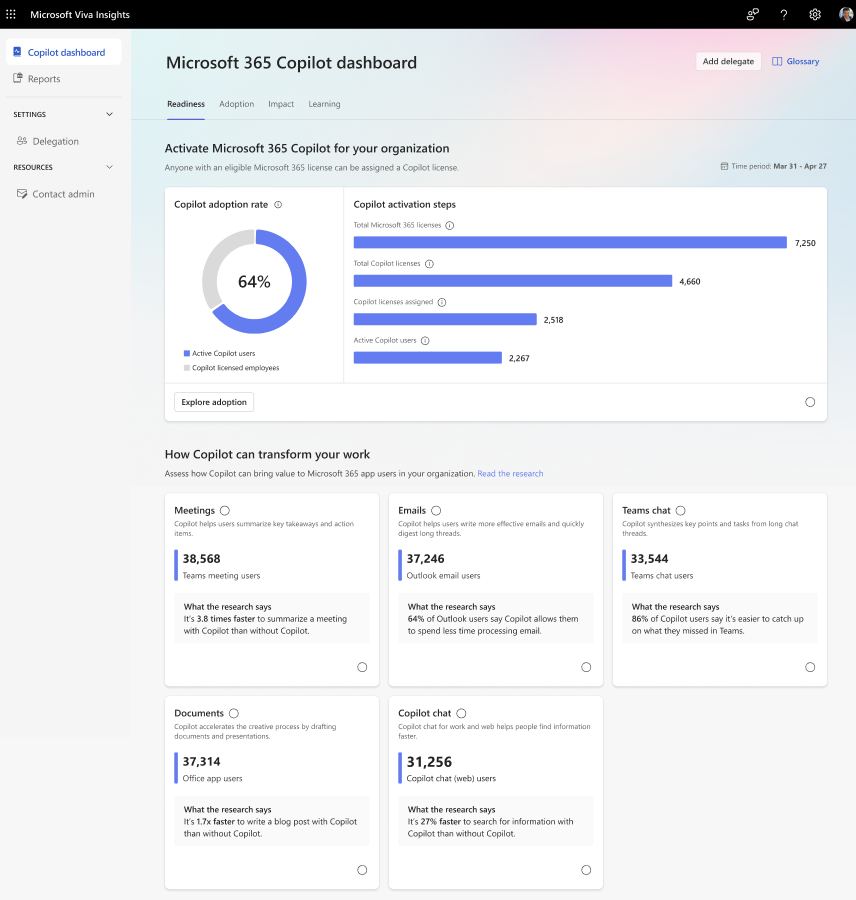
Preparing for Microsoft 365 Copilot goes beyond licensing and feature enablement. Readiness depends on security, governance, identity, and data controls being in place before AI is introduced into everyday work.
This article explains how automating Copilot readiness assessments can replace manual checklists with real tenant data, helping teams quickly identify gaps and prioritize the actions needed for a secure and successful rollout.
See how to validate readiness fast
Microsoft is moving toward stricter enforcement of Content Security Policy in SharePoint Online. While this strengthens security, it can disrupt custom scripts, third-party integrations, and legacy web parts if teams are unprepared.
This guide explains what CSP enforcement means in practice, what is most likely to be impacted, and how to assess and remediate risk before enforcement timelines tighten.
Check what you need to remediate
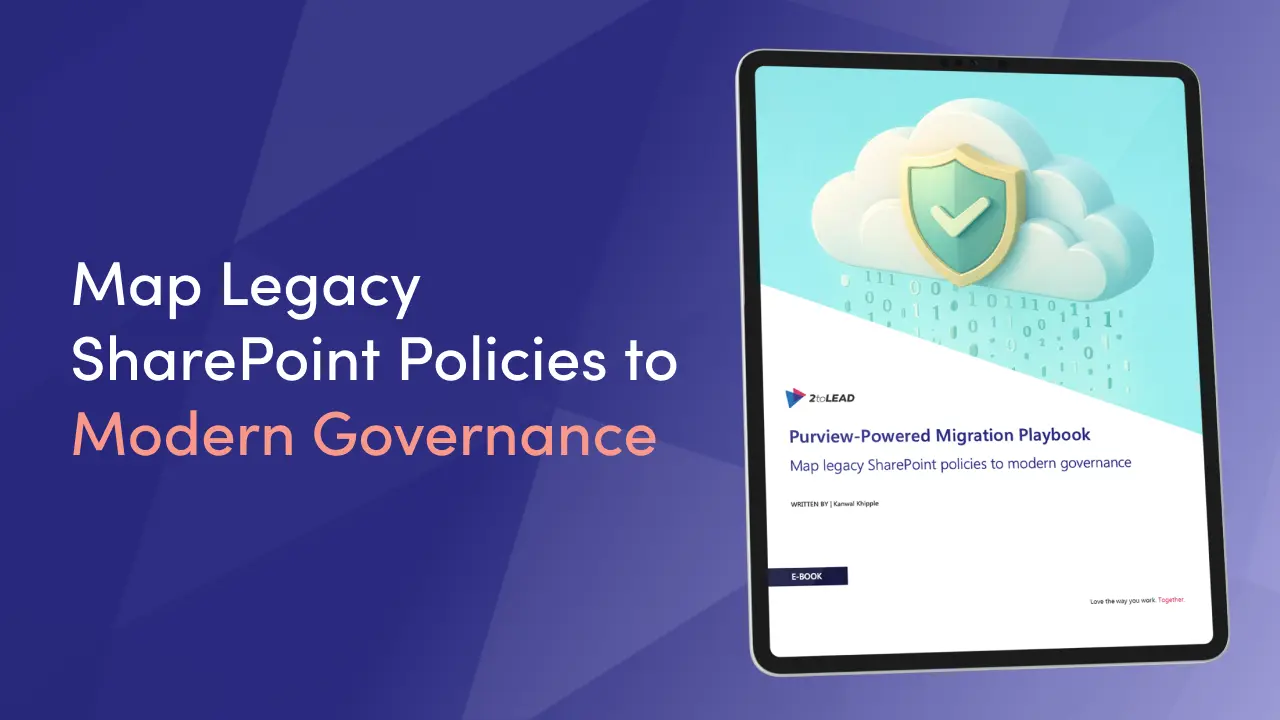
Migrating content without a governance strategy often creates more problems than it solves. This playbook outlines how Microsoft Purview can be used to guide secure, compliant migrations across Microsoft 365 from discovery and classification to risk reduction and post-migration governance.
Download The Migration Playbook
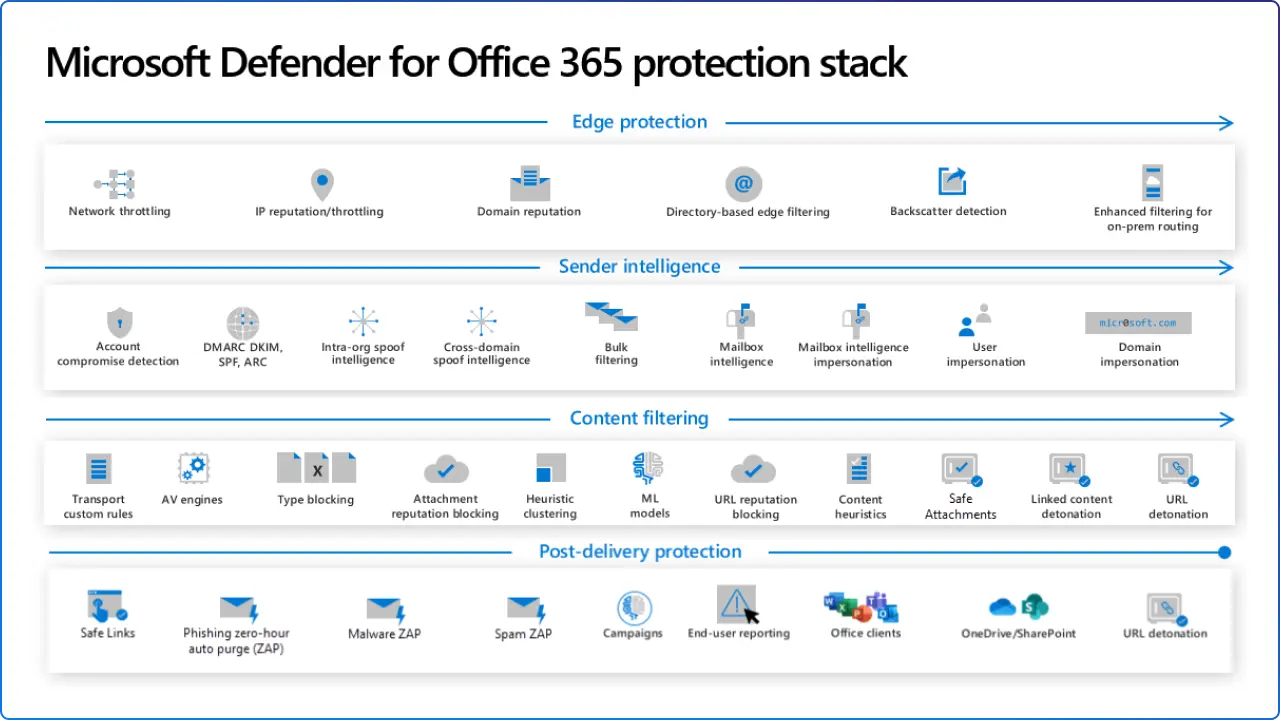
Business Email Compromise attacks are evolving, with many bypassing traditional defenses by avoiding malicious payloads entirely. Microsoft Defender’s pre-delivery NLP capabilities aim to stop these threats before they reach user inboxes.
This article explains how NLP-based detection works and what security teams should consider as email threats become more subtle and harder to detect.


Join Our Newsletter


