Artificial intelligence is changing how work gets done, but building useful AI agents is still hard for many organizations. Teams often struggle with scattered data, unclear rules, and agents that act without enough context. That is where Microsoft Agent Factory comes in. Agent Factory is Microsoft’s approach to designing, managing, and scaling AI agents that can actually understand work, data, and business goals.
Instead of treating AI agents as simple chat tools, Agent Factory helps organizations build agents that are grounded in real knowledge, governed by clear rules, and connected to how people work every day. This article explains what Agent Factory is, why it matters, and how it connects with Work IQ, Foundry IQ, and Fabric IQ to create a complete AI foundation.
Many companies start their AI journey with excitement but quickly hit limits. An agent might answer questions well at first, but then give inconsistent results or miss key information. This happens because AI agents need more than language models. They need access to trusted data, an understanding of how work flows, and clear boundaries around what they can and cannot do.
Agent Factory exists to solve this problem. It gives organizations a structured way to build AI agents that are reliable, secure, and aligned with business needs. Rather than each team building agents in isolation, Agent Factory creates a shared framework where agents can be designed once and reused across the organization.
Microsoft Agent Factory is not a single product. It is a set of tools, services, and design patterns that help teams create AI agents inside the Microsoft ecosystem. These agents can assist employees, automate processes, analyze information, or support customers.
Agent Factory focuses on three core ideas. First, agents must be grounded in real organizational knowledge. Second, they must operate with proper governance and security. Third, they must scale as the business grows without becoming harder to manage.
Because Agent Factory is built on Microsoft’s cloud and AI stack, it fits naturally into environments that already use Microsoft 365, Azure, and Power Platform.
A major advantage of Agent Factory is that it treats work as more than documents and messages. It recognizes that work includes meetings, tasks, decisions, and collaboration patterns. This allows agents to respond in ways that feel relevant instead of generic.
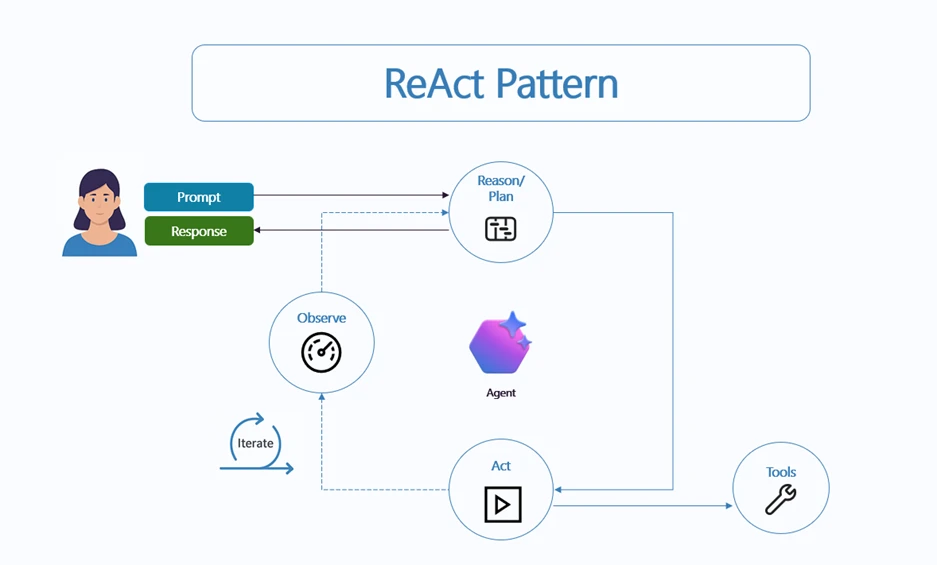
For example, an agent built through Agent Factory can understand when a user is overloaded with meetings, identify unfinished tasks, and suggest actions based on actual work patterns. This level of awareness is only possible when agents are connected to intelligence layers that describe how work happens.
This is where Work IQ plays a critical role.
Microsoft Work IQ provides insight into how workflows across Microsoft 365. It looks at signals like collaboration, focus time, meetings, and task switching to understand employee experience and productivity.
When Agent Factory connects with Work IQ, AI agents gain awareness of context. Instead of reacting to single prompts, agents can consider workload, priorities, and timing. This makes agents more helpful and less disruptive.
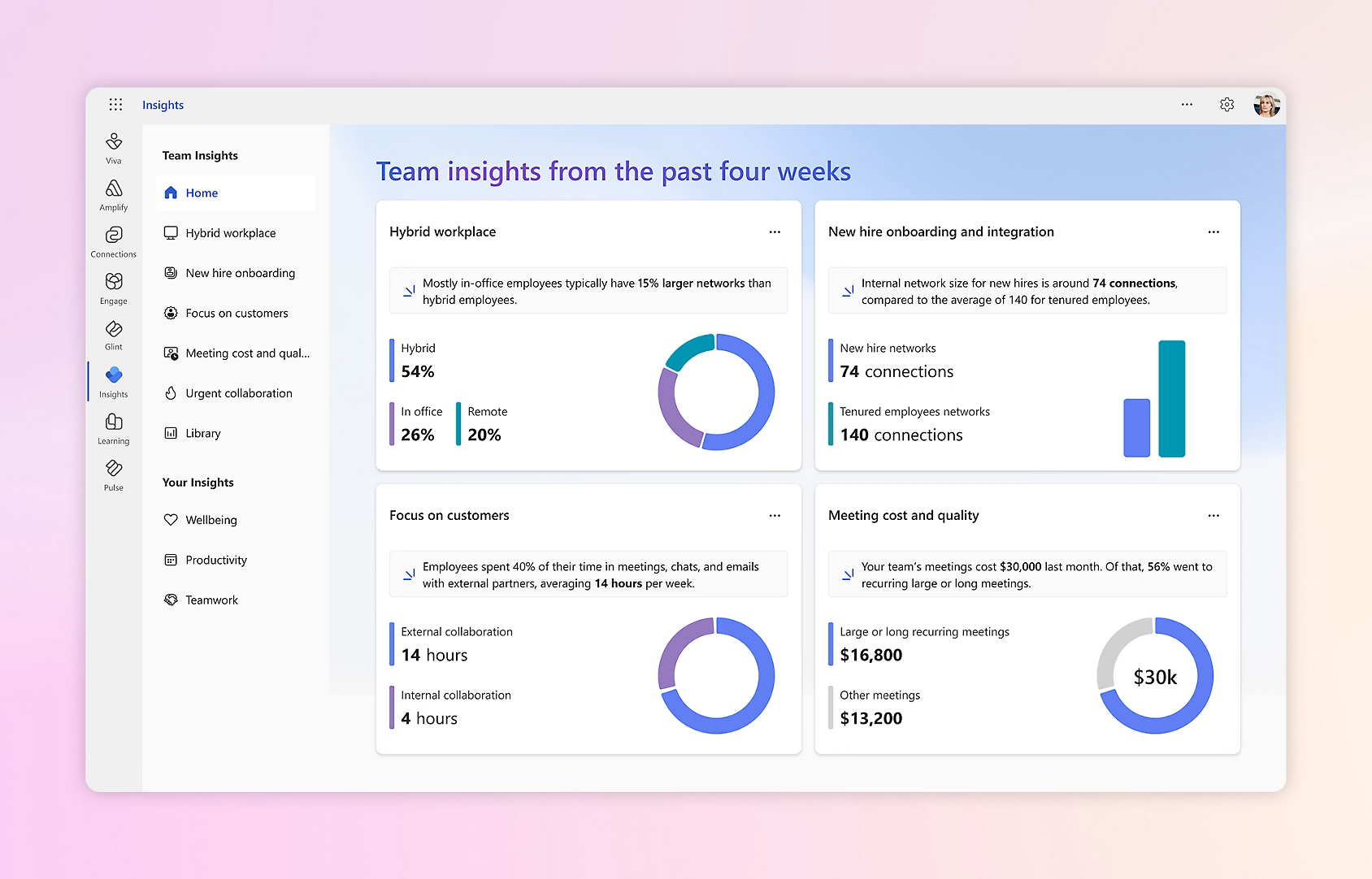
Work IQ ensures that Agent Factory agents support productivity rather than adding to digital noise. This connection also helps protect focus and reduce burnout by allowing agents to act with restraint and awareness.
Knowledge quality is one of the biggest risks in AI. If an agent pulls outdated or unverified information, trust disappears quickly. Foundry IQ addresses this issue by acting as a unified knowledge layer for AI agents.
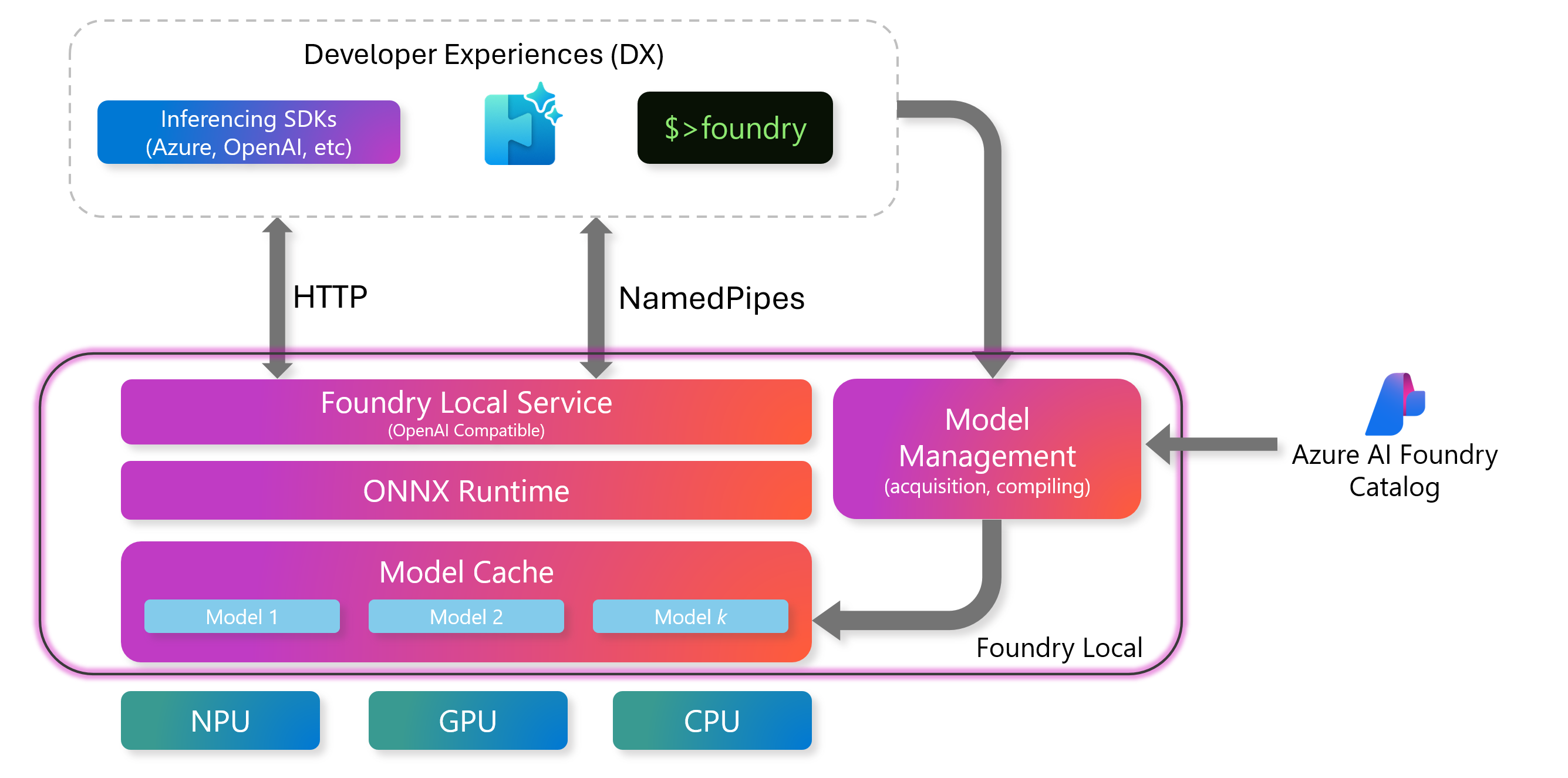
Foundry IQ connects structured and unstructured data from across the organization and makes it usable for AI without requiring complex custom pipelines. When Agent Factory integrates with Foundry IQ, agents can retrieve accurate and relevant information at the right time.
This means an agent answering a question about policy, customer history, or internal processes is working from approved sources rather than guessing. Foundry IQ gives Agent Factory agents consistency, accuracy, and explainability.
As organizations grow, data volumes increase and AI workloads become more demanding. Fabric IQ helps manage this complexity by bringing intelligence directly into the data layer.
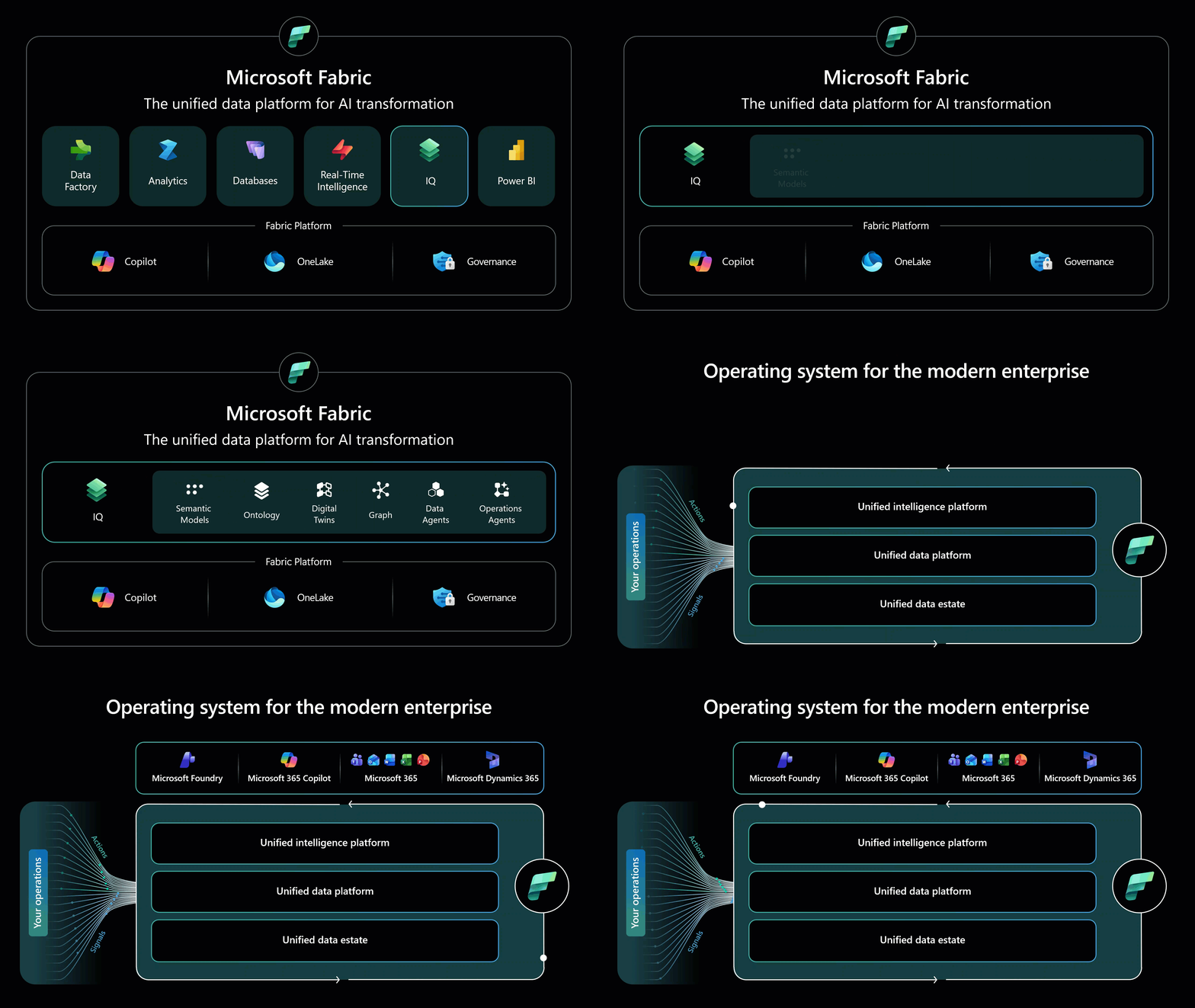
Fabric IQ connects analytics, governance, and AI readiness inside Microsoft Fabric. When Agent Factory uses Fabric IQ, agents can reason over large datasets while respecting security, compliance, and data ownership.
This connection allows agents to move beyond simple answers and into deeper insights. For example, an agent could analyze trends, identify risks, or support strategic decisions using governed enterprise data. Fabric IQ ensures that Agent Factory agents can scale without losing trust or performance.
Agent Factory is important because it shifts AI from experimentation to real operations. Instead of building one-off agents, organizations can create an agent ecosystem that shares intelligence, follows governance rules, and evolves over time.
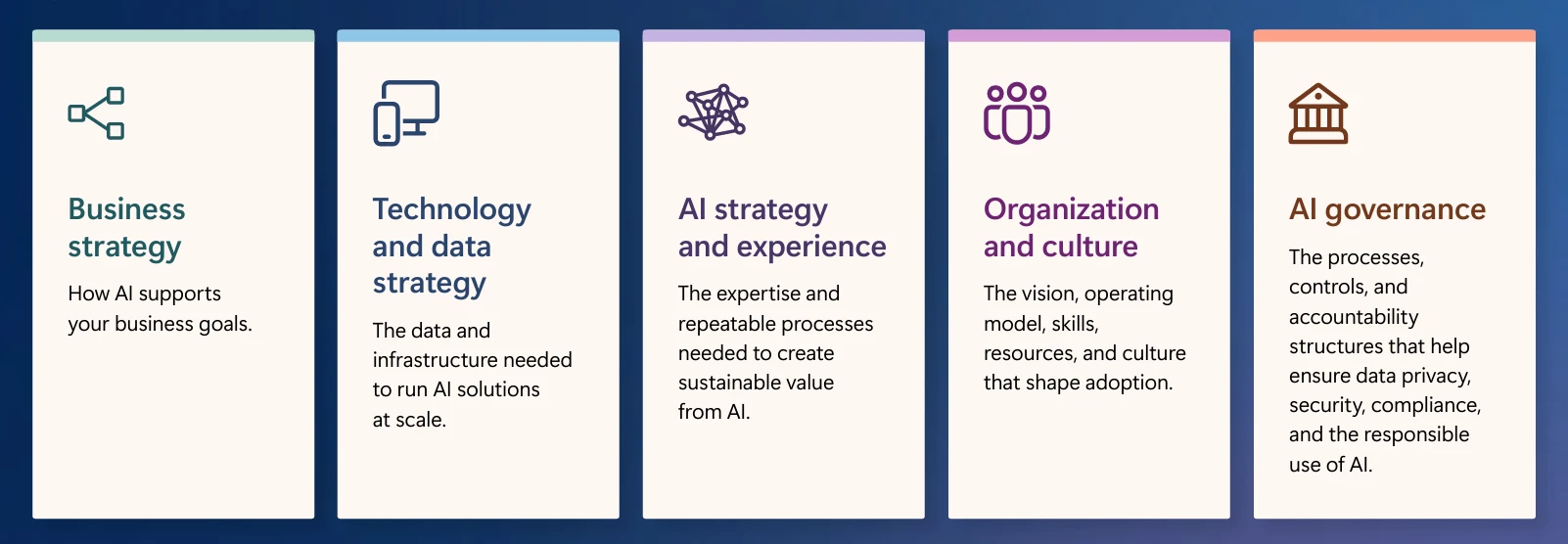
By connecting Agent Factory with Work IQ, Foundry IQ, and Fabric IQ, Microsoft creates a layered AI architecture. Each layer serves a clear purpose. Work IQ understands work. Foundry IQ organizes knowledge. Fabric IQ manages data intelligence. Agent Factory brings these layers together into agents that can act responsibly and effectively.
This approach reduces risk while increasing value. Teams can move faster without sacrificing control, and leaders gain confidence that AI is supporting their goals rather than creating new problems.
Adopting Agent Factory is not just a technical decision. It requires clarity around data, governance, and employee experience. Organizations that succeed usually start by improving data quality, defining AI use cases, and aligning stakeholders across IT and business teams.
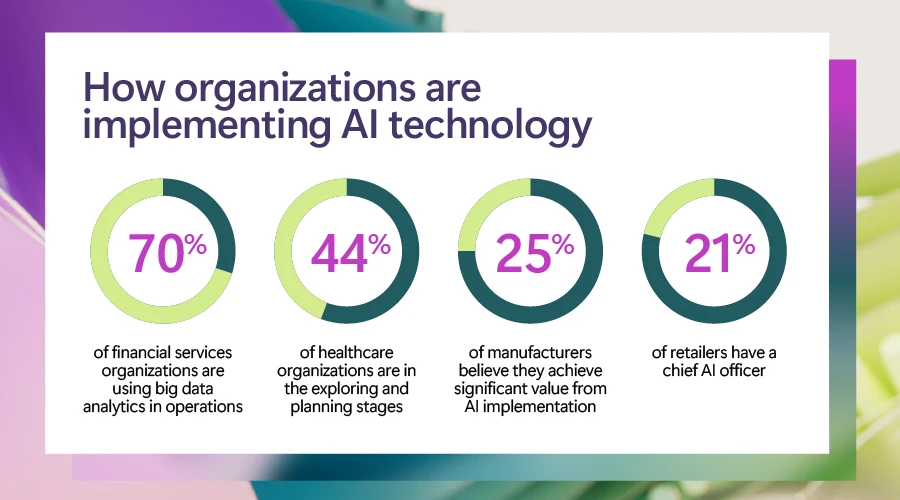
Because Agent Factory is built into the Microsoft ecosystem, organizations already using Microsoft tools have a strong starting point. The key is to treat AI agents as long-term assets rather than short-term experiments.
AI agents will continue to grow in capability, but success will depend on structure and intelligence. Agent Factory represents Microsoft’s vision for responsible, scalable AI agents that understand context and act with purpose.
As AI becomes part of everyday work, platforms like Agent Factory will define the difference between helpful automation and digital chaos. Organizations that invest in this foundation now will be better prepared for the next wave of intelligent work.


Join Our Newsletter