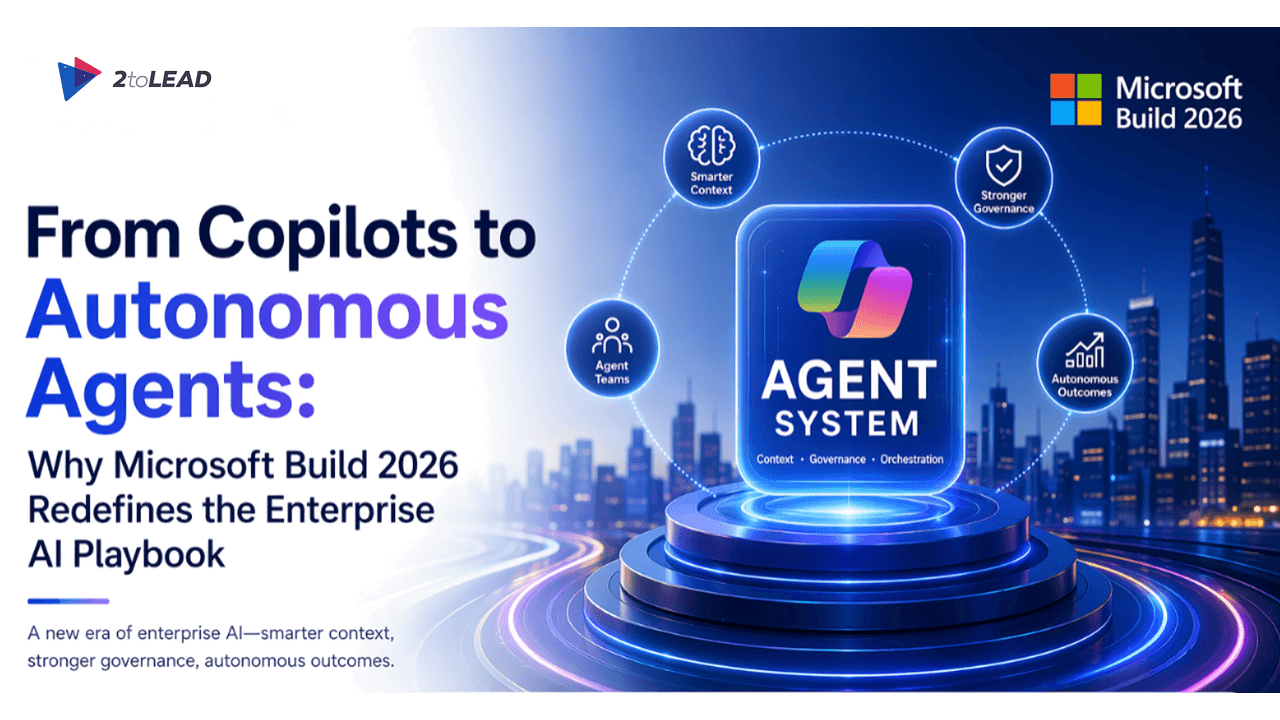
Today, AI is no longer just for simple chatbots or basic tasks. It’s becoming a core part of how companies handle complex information, interact with customers, and support internal teams. But to do all that, AI needs to understand knowledge properly and access it quickly across different systems. That’s where Foundry IQ comes in a powerful tool in Azure AI Foundry that helps AI agents get the right knowledge at the right time.
In this article, we’ll walk through what Foundry IQ is, how it works, and why it matters for companies building smart AI tools. We’ll explain things in a simple way so you can understand without being a tech expert.
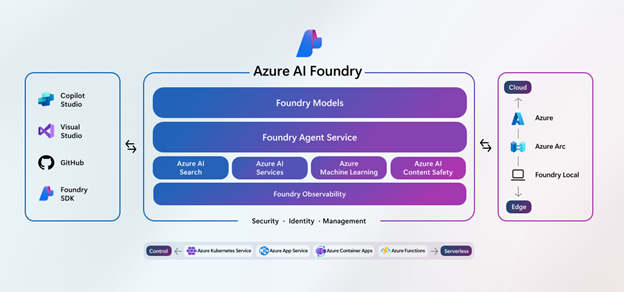
Foundry IQ is part of Azure AI Foundry, a Microsoft platform that helps developers create and manage artificial intelligence systems. More specifically, Foundry IQ is a unified knowledge layer that connects AI agents to all the information they need. Traditionally, teams building AI tools had to design complicated systems called RAG or retrieval-augmented generation pipelines to pull together data from different places. Each time you wanted to build an AI agent that could answer questions or support users, you had to rebuild that whole pipeline from scratch.
Foundry IQ changes this by offering a single endpoint for knowledge. That means developers don’t have to stitch together complex data rout
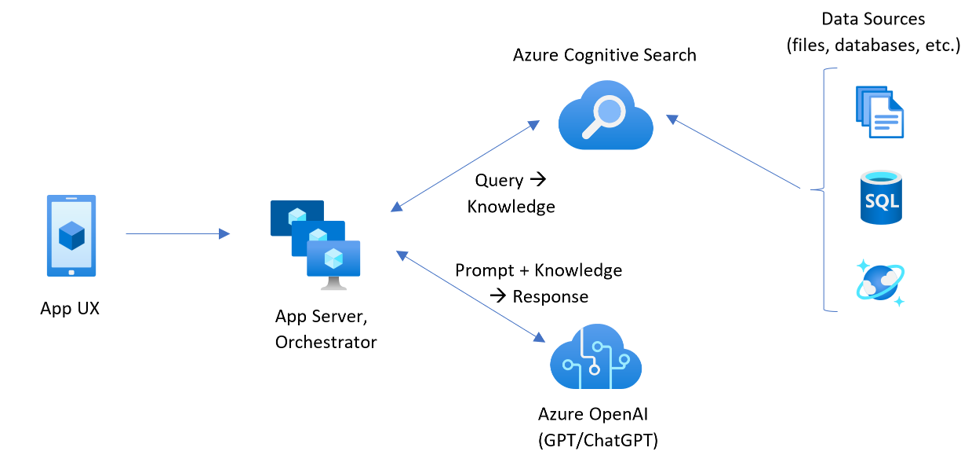
ing code every time. Instead, they create a topic-focused knowledge base, and any number of AI agents can connect to it. Think of it like building one central library of information that all your AI helpers can check for answers.
This lets AI agents answer questions faster and more accurately because they share a trusted source of information. It also makes development easier and cheaper because you don’t have to repeat work each time you create a new agent.
At the heart of Foundry IQ is Azure AI Search. This powerful search engine does much more than just look up keywords. It can index databases, documents, images, and even remote sources like SharePoint or cloud storage. When the knowledge base is built, Azure AI Search handles everything behind the scenes from breaking up content, creating vector representations, to enriching complex documents so that AI agents get relevant and contextual data.
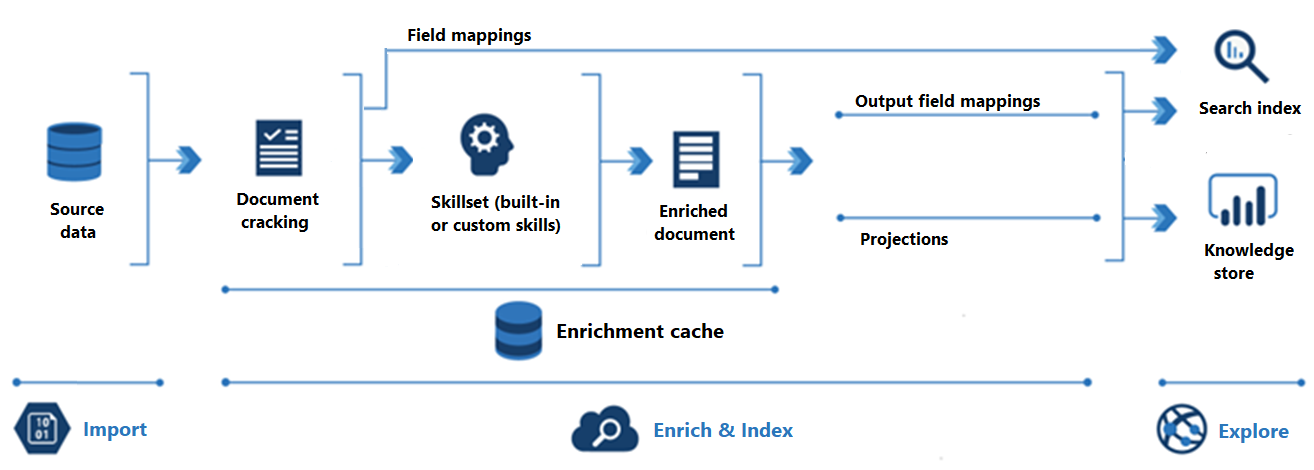
What makes Foundry IQ different from typical search is what’s called agentic retrieval. Instead of just responding to a query once and returning one result, agentic retrieval breaks the question down, plans how to get the best possible answer, and even revisits different data sources if needed. It’s like an intelligent detective that keeps looking until it finds enough clues to form a good answer, rather than stopping after the first hit.
Developers can also set how much effort this reasoning engine should use. If they want quick and light answers, the engine can work fast with basic context. If the query is complicated, Foundry IQ can take more steps and deeper reasoning to ensure the response is accurate and complete.
In big companies, you might have many AI agents working on different tasks support bots, internal helpers, customer service assistants, and more. Before Foundry IQ, each of these agents might connect to separate data sources or build its own retrieval logic. That could create duplicated effort, inconsistent results, and more room for errors.
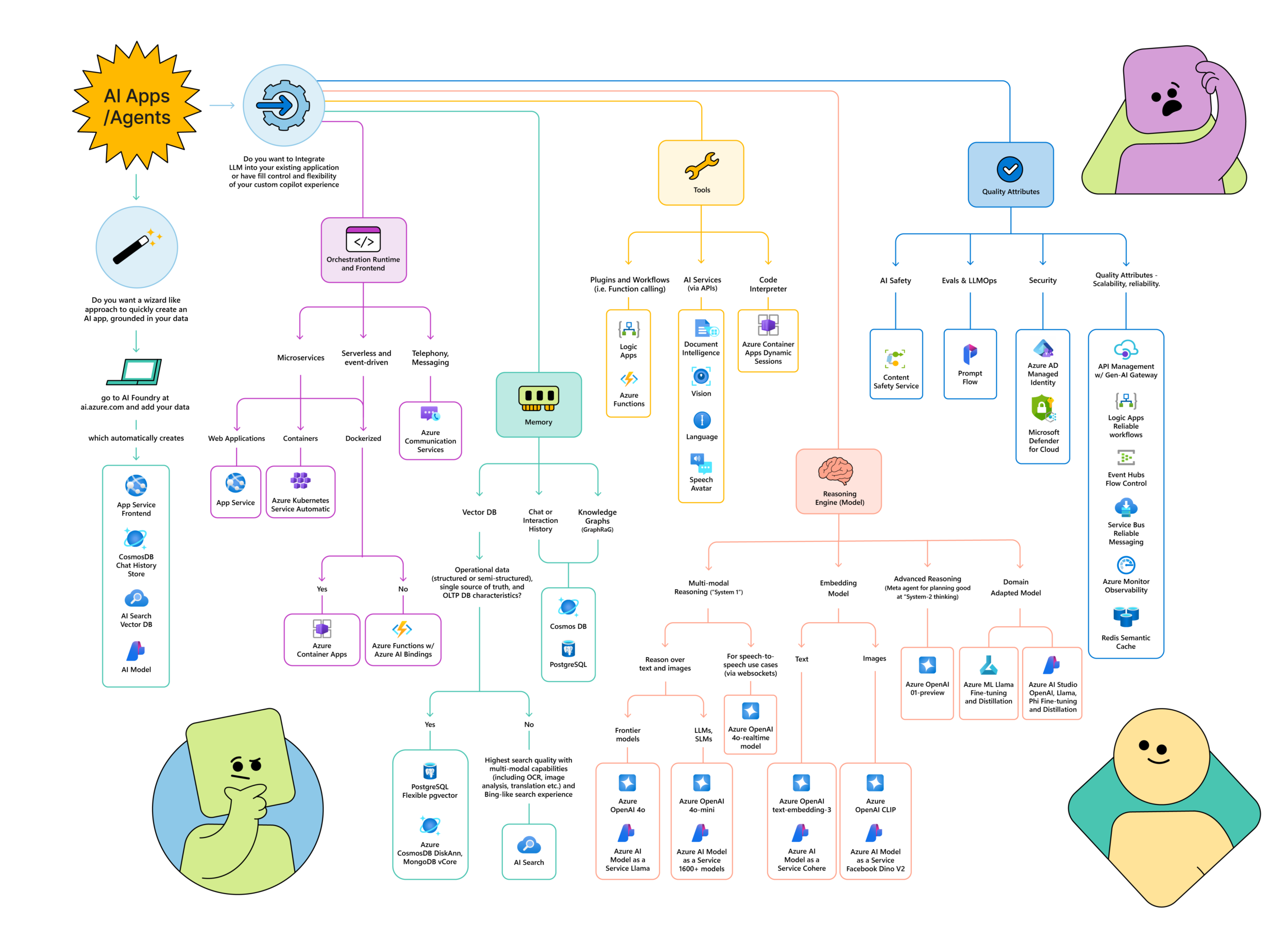
Foundry IQ fixes this by letting developers build one reusable knowledge base focused on a topic like product manuals, employee policies, or support documentation and allowing many different AI agents to tap into that same knowledge base. This not only makes agents more consistent but also ensures they all stay up to date with the same data rules and permissions.
Because knowledge bases can pull from many indexed and remote data sources including Microsoft 365 SharePoint, OneLake, Azure Blob Storage, and even web content AI agents are grounded in context-rich information, rather than fragmented data scattered across systems.
When AI tools start making decisions or giving answers, it’s crucial that they only access data they’re allowed to see. Foundry IQ understands this and works with Microsoft’s enterprise security tools, such as Entra ID for access control and Microsoft Purview for sensitivity labels. What this means is that the knowledge you don’t want AI agents to see stays protected.
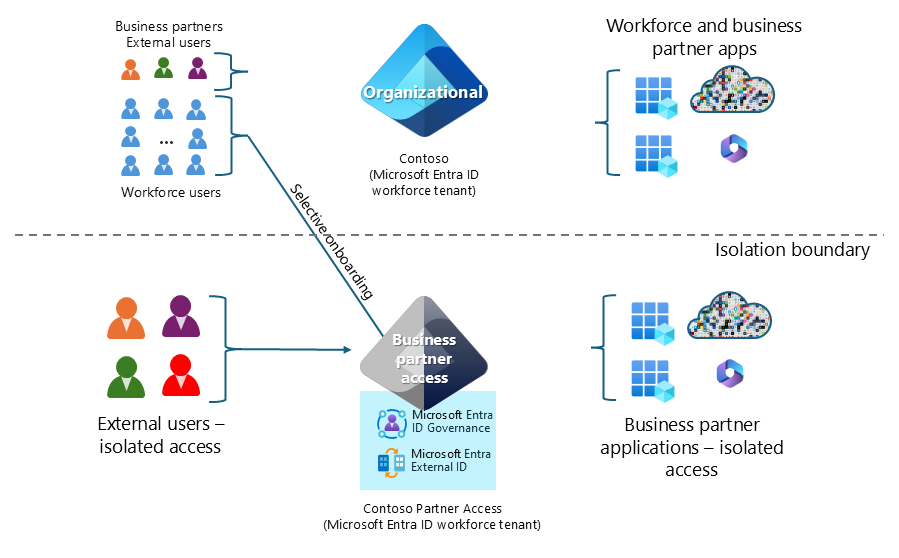
For example, if a document in a remote SharePoint site is labeled as sensitive, Foundry IQ respects that classification as it indexes and retrieves content. It then ensures that AI agents follow the same rules when they use that knowledge base. This removes one of the biggest problems in traditional RAG systems, where developers often have to duplicate security logic manually in each project.
With built-in security and governance, Foundry IQ makes AI safer and easier to scale from early experiments to mission-critical business workflows.
Some companies have already seen the benefits of using Azure AI Search and advanced retrieval techniques like those in Foundry IQ. For example, AT&T reported improved customer support response times and scaled AI solutions across thousands of employees. Ontario Power Generation used retrieval strength to unlock decades of operational knowledge, helping new staff learn faster and make data-driven decisions.
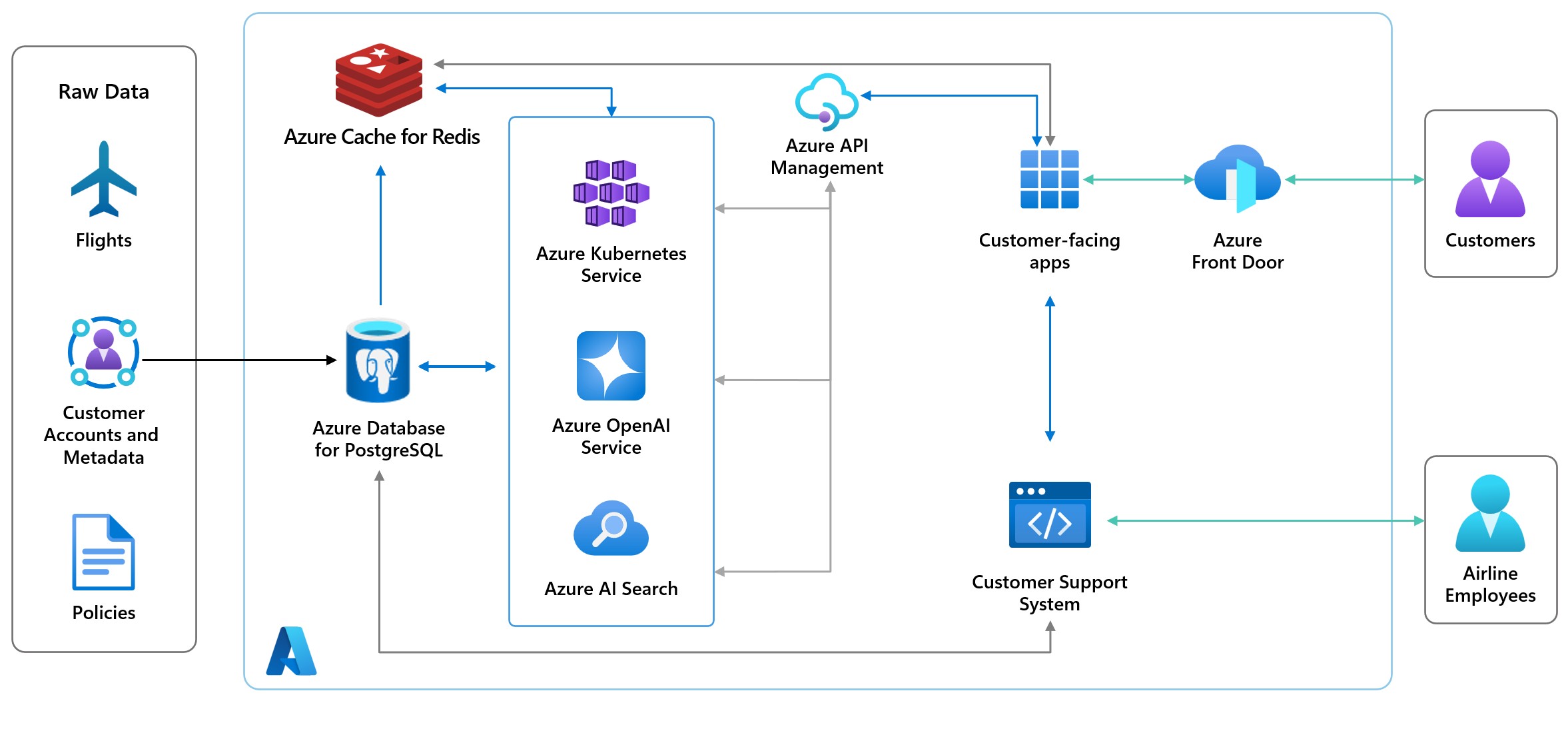
With Foundry IQ, those kinds of capabilities are easier to build and reuse, especially since knowledge bases can now deliver this level of retrieval and reasoning to any connected AI agent in your organization.
The rise of AI agents systems that can act, reason, and help users with tasks is reshaping how businesses operate. But for these agents to be truly useful, they need to be grounded in trusted, context-rich knowledge. Foundry IQ makes that possible in Azure AI Foundry by giving developers a scalable, secure, and intelligent way to feed information into agents.
Instead of creating isolated RAG pipelines for each new project, teams can now define knowledge bases and connect any number of AI agents to them. This simplifies development, improves consistency, and helps businesses unlock the full power of enterprise data.
As AI continues to grow, tools like Foundry IQ will make it easier for companies to build smarter systems that truly understand the context they operate in helping them make better decisions, serve customers more effectively, and innovate faster.


Join Our Newsletter