Artificial intelligence is moving quickly inside modern organizations. Many companies already collect massive amounts of data, but turning that data into something AI can truly understand is still a challenge. Data often lives in silos, business definitions change across teams, and AI tools struggle to reason with accuracy. This is where Microsoft Fabric IQ becomes important. It introduces a new way for enterprises to give AI real understanding by connecting data, meaning, and business rules into one shared system.
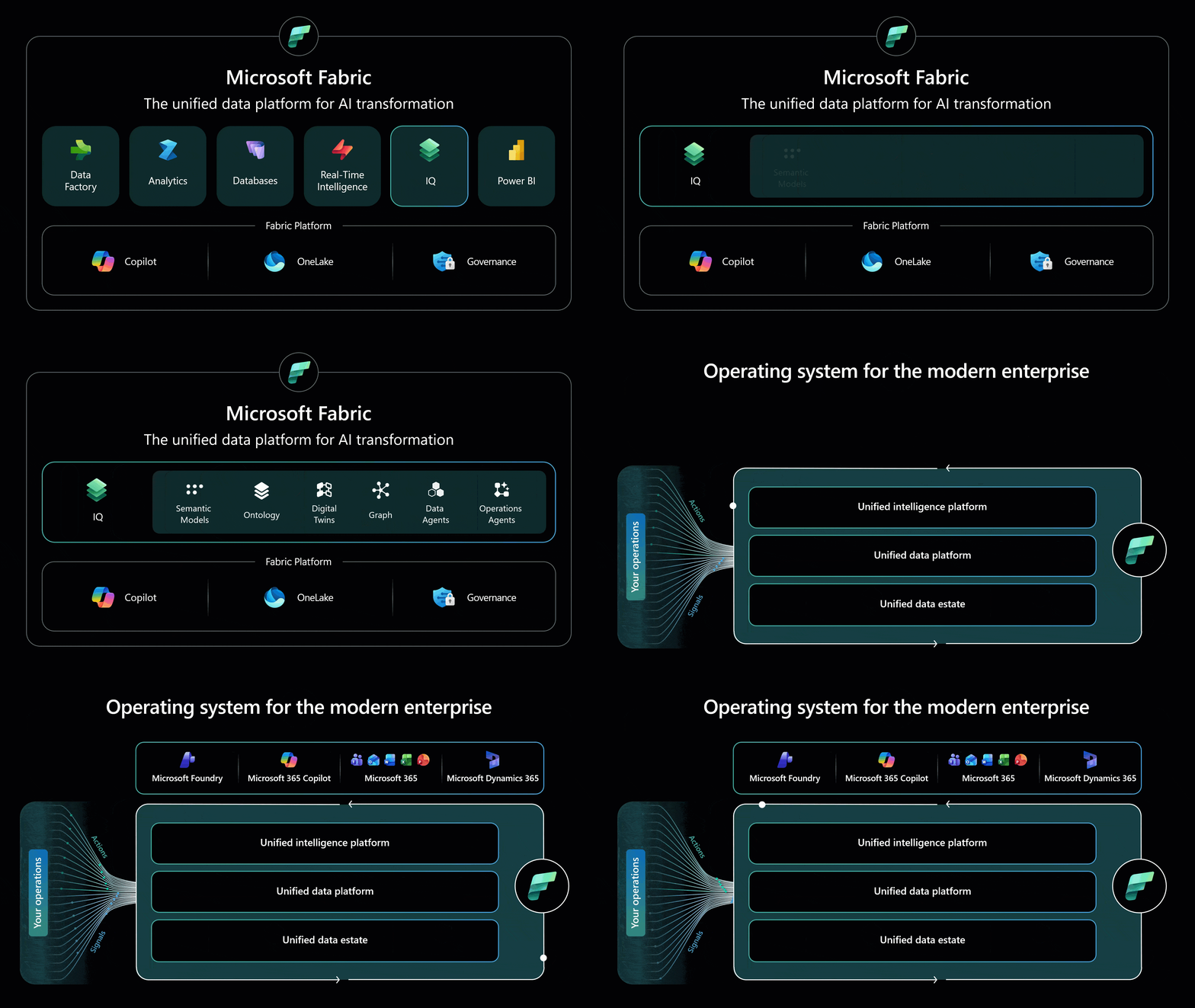
Microsoft Fabric IQ is designed to help organizations move beyond basic analytics. Instead of just analyzing numbers, Fabric IQ creates a deeper layer of understanding that both people and machines can rely on. This foundation helps companies build trustworthy AI tools that can reason, explain results, and support real business decisions. As AI becomes more central to daily operations, this level of clarity is no longer optional.
At the heart of Microsoft Fabric IQ is a structured way to describe how a business actually works. Data on its own does not explain relationships, priorities, or rules. Fabric IQ solves this problem by introducing an ontology business model that defines how data elements relate to one another. This model reflects real business concepts such as customers, orders, products, risks, and performance measures.
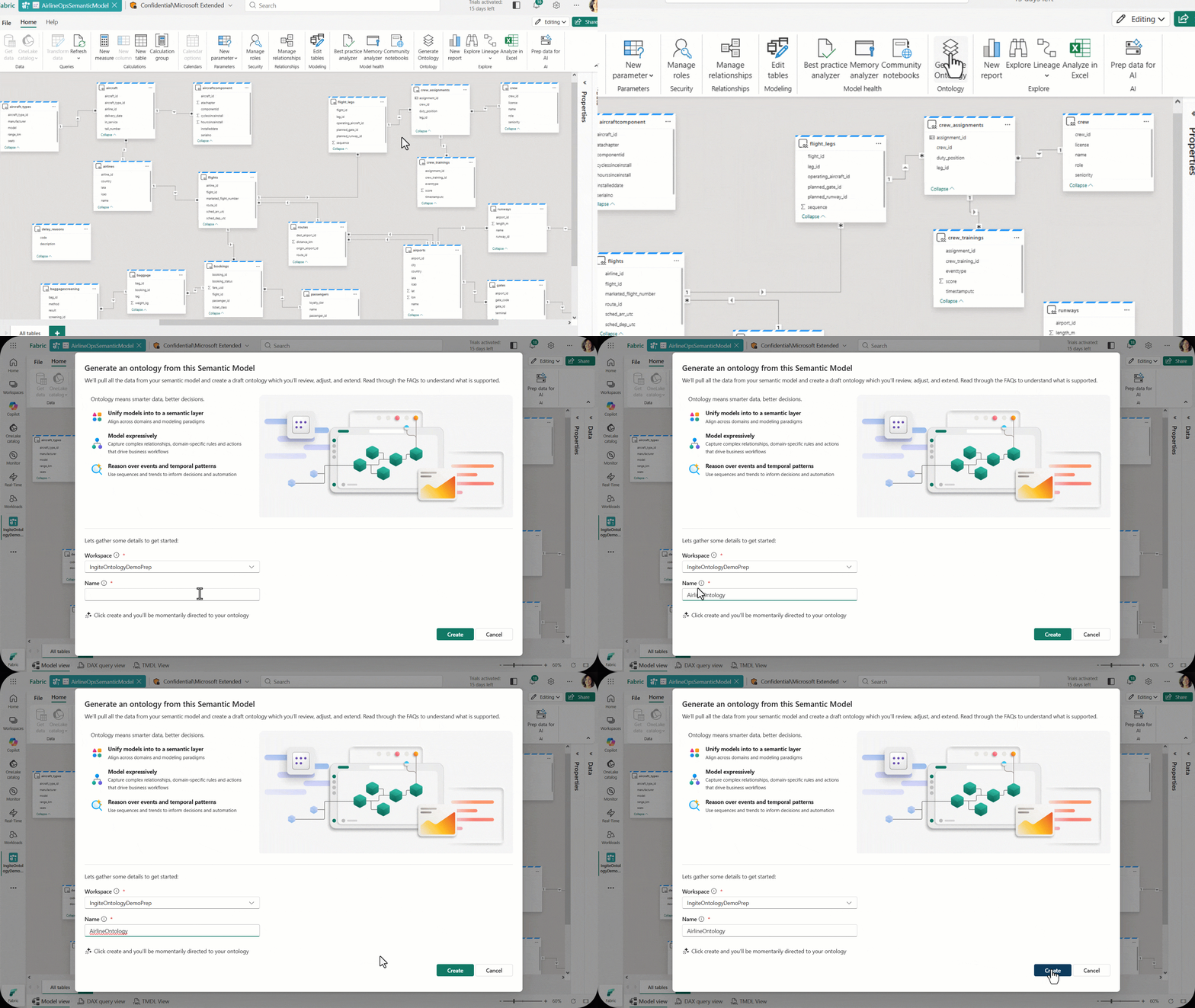
An ontology business model does more than organize data. It captures business logic in a way that AI systems can understand and follow. When data is linked through this model, AI tools can move beyond pattern detection and start reasoning with intent. For example, an AI assistant can understand how a delayed shipment affects revenue, customer satisfaction, and supply planning because those relationships are already defined.
This approach creates a shared semantic layer that sits above raw data. The shared semantic layer ensures that everyone across the organization uses the same definitions and logic. When teams ask questions or build reports, they no longer get conflicting answers. The shared semantic layer brings consistency and trust to analytics and AI outcomes.
Many AI projects fail because systems lack context. AI models may generate answers that sound correct but do not align with business reality. This is where a semantic foundation enterprise AI becomes critical. A semantic foundation enterprise AI gives structure and meaning to data before AI interacts with it.
With a semantic foundation enterprise AI, business rules are clearly defined and enforced. AI tools no longer guess how data elements relate to one another. Instead, they reference the shared understanding built into Fabric IQ. This reduces errors, improves explainability, and increases confidence in AI-driven decisions.
Microsoft Fabric IQ uses this semantic foundation enterprise AI to support advanced reasoning. AI tools can trace conclusions back to defined rules and data sources. This transparency is especially important in regulated industries where trust, auditability, and accountability matter.
One of the most powerful outcomes of Microsoft Fabric IQ is its ability to support enterprise AI agents. These agents are more than chatbots. They are intelligent systems that can analyze situations, recommend actions, and sometimes act automatically within defined boundaries.
Enterprise AI agents rely on context to be effective. Without context, they provide shallow insights. Fabric IQ gives enterprise AI agents access to the shared semantic layer so they understand not just data, but meaning. This allows agents to reason like a business analyst instead of a calculator.
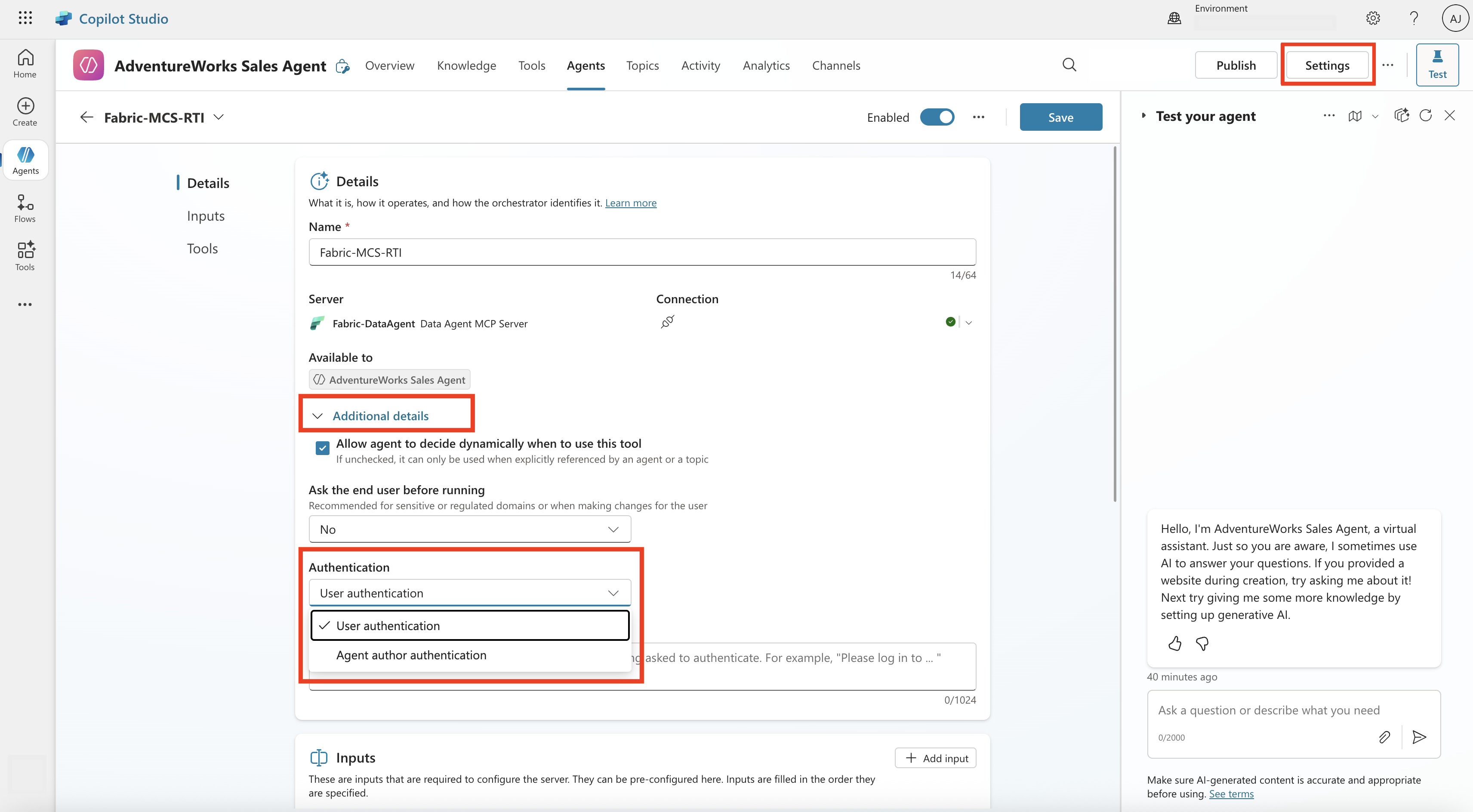
For example, an enterprise AI agent monitoring operations can detect trends and evaluate them against business rules. It can identify risks, suggest optimizations, and explain why a recommendation makes sense. Enterprise AI agents built on Fabric IQ are aligned with organizational goals because they follow the same definitions and logic as human teams.
Traditional data platforms focus on storage, processing, and visualization. While these functions are essential, they are no longer enough. Organizations now need systems that support understanding and decision-making. This is where the shift toward an intelligence platform data AI becomes clear.
An intelligence platform data AI connects data, semantics, and AI reasoning in one environment. Microsoft Fabric IQ plays a key role in this transition. It transforms Microsoft Fabric from a place where data is analyzed into a place where intelligence is created and applied.
With an intelligence platform data AI, insights are not isolated in reports. They flow into workflows, AI agents, and automated decisions. Business users can interact with data using natural language while AI systems operate with structured knowledge behind the scenes. This makes intelligence accessible without sacrificing accuracy.
One of the biggest barriers to effective AI is fragmentation. Different teams often define the same metrics in different ways. This leads to confusion, wasted time, and poor decisions. The shared semantic layer in Fabric IQ eliminates this problem by establishing a single source of truth.
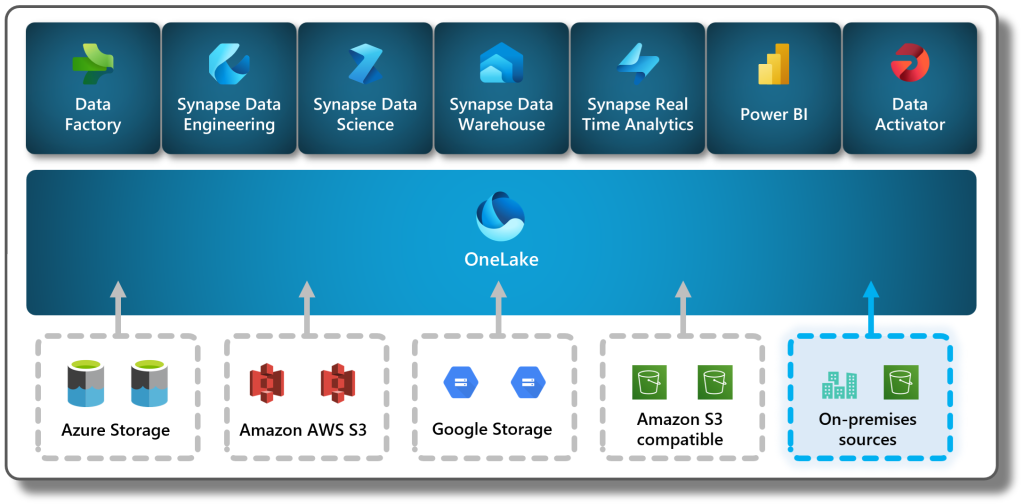
The shared semantic layer ensures that all tools, dashboards, and AI agents reference the same definitions. When a sales metric is updated, every system reflects that change automatically. This consistency improves collaboration and reduces friction between departments.
Because the shared semantic layer is reusable, organizations save time and effort. New analytics projects no longer need to rebuild business logic from scratch. AI initiatives scale faster because the foundation is already in place.
Trust is one of the biggest challenges in AI adoption. Leaders need to understand why an AI system makes a recommendation. An ontology business model supports this by clearly defining relationships and rules.
When AI reasoning is grounded in an ontology business model, explanations become easier to follow. Users can see how inputs connect to outcomes. This clarity builds confidence and encourages wider adoption of AI tools.
Ontology business models also support governance. Organizations can control how data is interpreted and used across systems. This helps ensure compliance while still enabling innovation.
As AI becomes more integrated into business operations, the need for clarity and structure will continue to grow. Microsoft Fabric IQ addresses this need by providing a foundation that aligns data, meaning, and intelligence.
By enabling enterprise AI agents, supporting a shared semantic layer, and advancing toward an intelligence platform data AI, Fabric IQ helps organizations move from experimentation to real value. AI systems become reliable partners rather than black boxes.
The combination of semantic foundation enterprise AI and ontology business models ensures that intelligence scales responsibly. Organizations can innovate faster while maintaining trust and control.
In a competitive landscape, speed and accuracy matter. Organizations that rely on disconnected data and unclear definitions fall behind. Microsoft Fabric IQ offers a way to unify understanding across teams and systems.
By grounding AI in a shared semantic layer, businesses gain confidence in insights and actions. Enterprise AI agents become more capable, more transparent, and more aligned with strategy. The shift toward an intelligence platform data AI positions organizations for long-term success.
Microsoft Fabric IQ is not just another feature. It is a foundational step toward truly intelligent enterprises where data is understood, AI is trusted, and decisions are made with clarity.


Join Our Newsletter