The new year brings fresh opportunities to accelerate your cloud journey, and Microsoft is delivering the tools to make it happen.
IT modernization has moved to the top of the C-suite agenda, with nearly two-thirds of executives ranking it as a high priority and planned investments projected to reach 25–30% of IT budgets over the next two years. The message is clear: modernization isn't optional, it's essential for staying competitive.
In this issue, we explore practical insights to help you navigate hybrid cloud strategies, AI-ready infrastructure, governance essentials, and real-world modernization wins. Whether you're optimizing workloads, tackling technical debt, or preparing your environment for AI, we've curated insights that matter most to decision-makers like you.
Microsoft is retiring several classic SharePoint extensibility and compliance experiences. These retirement changes mark a shift away from classic, site‑centric governance toward Microsoft Purview as the control plane for lifecycle, protection, and compliance. Organizations should plan ahead to move from legacy features to modern Purview capabilities to stay compliant and reduce risk beyond 2026.
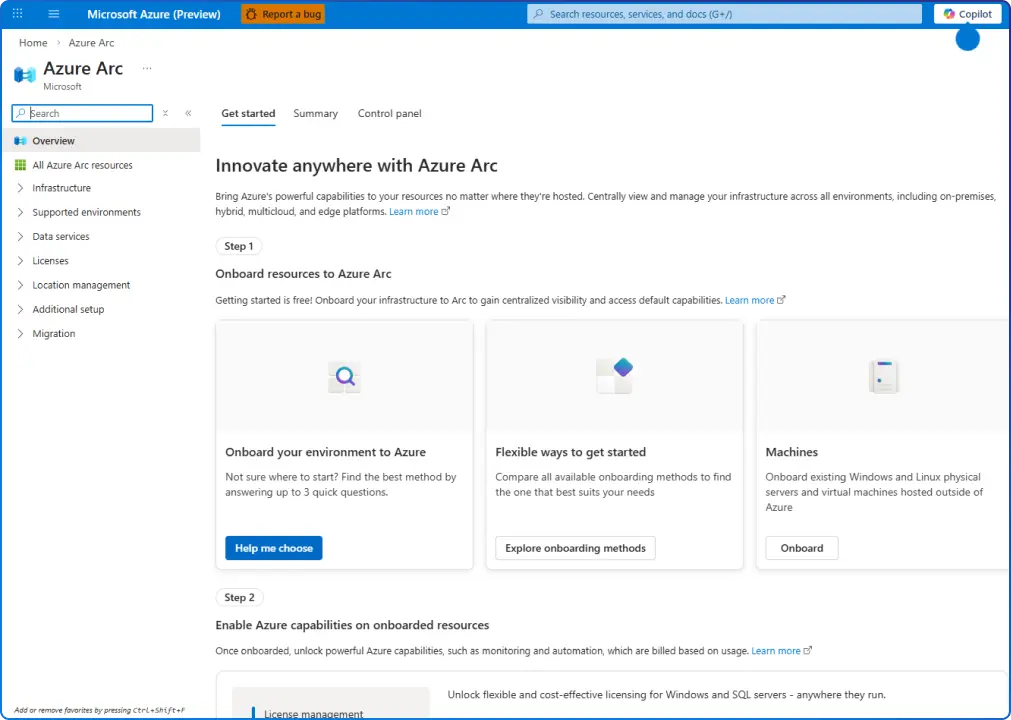
Microsoft’s Azure Arc portal refresh simplifies hybrid/multi-cloud onboarding with a redesigned landing page, guided onboarding, and a unified machine onboarding flow, plus more actionable dashboards to help teams quickly spot and act on connectivity, security, and policy/compliance insights at scale.
In this post, Microsoft outlines a practical, near/zero-downtime pattern for modernizing mission-critical Oracle databases to Azure SQL using log-based Change Data Capture (CDC) through the Microsoft + Striim partnership. The guidance emphasizes reducing migration risk by continuously replicating changes from Oracle to Azure SQL in real time, helping teams avoid common blockers like planned outage windows, data drift, and operational disruption, key concerns for enterprise migration programs.
Microsoft’s Dev Box adoption guide provides a practical, enterprise-focused playbook for rolling out secure, cloud-hosted developer workstations with the governance and controls large organizations need. It walks through phased adoption (readiness → pilot → scale), emphasizes “lean images + persona-based pools,” and highlights how to balance developer productivity with security using Entra ID/Intune and private networking, making it highly relevant for migration programs that must onboard teams quickly and standardize dev environments during application modernization waves.
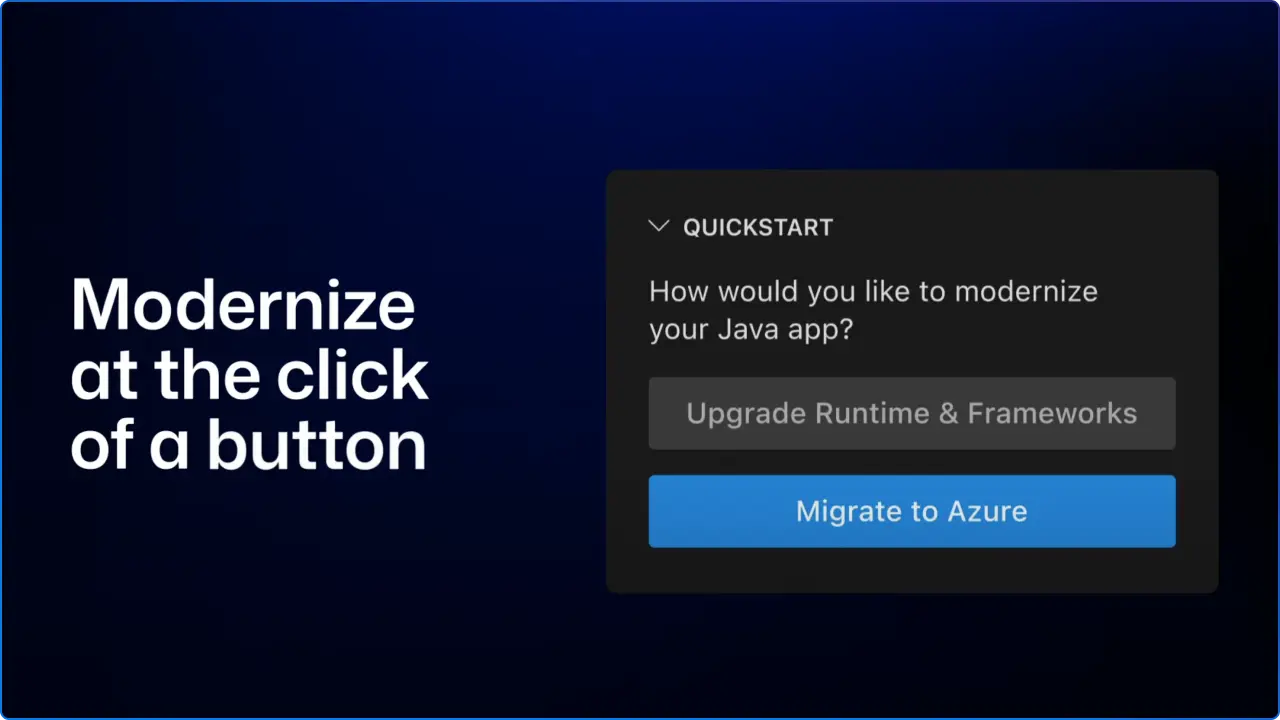
Modernizing legacy Java and .NET apps often stall on upgrades, breaking changes, and security debt. Our latest blog explains how GitHub Copilot Agent Mode/Copilot App Modernization can speed upgrades with dependency-aware planning, automated refactoring, build/test fix loops, and CVE checks, helping teams modernize faster while keeping changes traceable and reviewable.
Container security is a must-have for modern application platforms, and this post explains how to harden your software supply chain by signing and verifying OCI container images and artifacts using the Notary Project standard together with Artifact Signing (GA) (formerly Trusted Signing). It highlights how this approach reduces operational friction (certificate management) while enabling scalable enforcement in CI/CD pipelines and Kubernetes/AKS using tools like Notation and Ratify, so teams can confidently ensure only trusted images move from build to deployment.
Modernization doesn’t stop at deployment; Operationalize reliability by building a self-healing remediation loop that connects third‑party observability with Azure deployment data. Using Azure SRE Agent plus Model Context Protocol (MCP) and specialized subagents, the walkthrough demonstrates how to query Dynatrace for logs/traces, correlate issues with Azure Container Apps revisions and Azure Monitor signals, and then automate rollback actions via Azure tooling, turning reactive incident response into proactive, scheduled health checks.
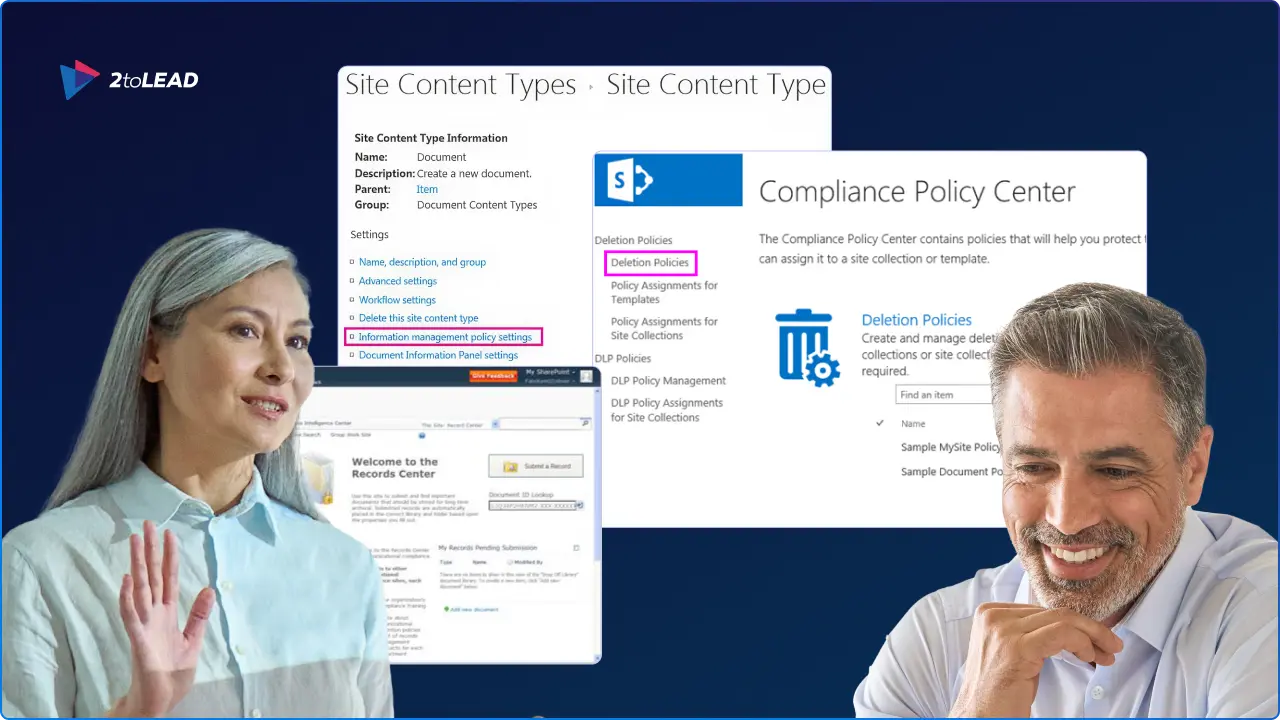
Before SharePoint governance changes force a last‑minute scramble, our latest blog provides you with a step‑by‑step way to audit legacy SharePoint features and risky customizations and then map them to Microsoft Purview controls. You will also be provided with recommendations setting measurable baselines using Purview, so progress is trackable, validating required roles early to avoid project blockers, and even running a quick CSP enforcement test to surface unsupported scripts ahead of enforcement, helping reduce compliance drift, oversharing risks, and migration surprises.
AI agents are becoming common in enterprise workflows, so governing non-human identities is now a core Zero Trust priority. Learn what Agent Identities, Agent Users, and Agent Blueprints are in Microsoft Entra and how Conditional Access for agents works today, primarily controlling token issuance with allow/block and early risk evaluation, while calling out key limitations versus user CA (e.g., no MFA, device compliance, or session controls). If you’re modernizing identity governance for autonomous workloads, this is a practical primer for shaping policy expectations and reducing agent sprawl.
In shared-tenant or multi-company scenarios, separating Entra ID and Defender XDR logs by business unit can be essential for data boundaries, privacy, and compliance, without duplicating ingestion cost or exposing sensitive events across teams. This blog walks through a scalable approach using Log Analytics workspace transformations (KQL-based ingestion filters) to route only the right sign-in, audit, identity, and device event data into each Microsoft Sentinel workspace. It’s an actionable governance pattern for organizations dealing with M&A, subsidiaries, or decentralized SOC models in a single tenant.
With all the benefits that cloud services offer, it’s no wonder that their use is on the rise. However, IT and security professionals raise concerns about the security of data stored on the cloud. Integrated data security solutions are crucial to protecting sensitive data in multi-cloud environments. But how can you apply the existing technology and services to your organization?
When: Wednesday, February 25, 2026, 2:00 – 3:00 PM (EST)
You will learn how to:
Register now to find out for yourself what Microsoft Purview has to offer!
As we close out this month's edition, the theme is clear: the forces of digital transformation, persistent security threats, and economic pressures are compelling organizations to build more resilient, efficient, and intelligent infrastructure.
The leaders pulling ahead in 2026 aren't just moving workloads; they're modernizing with intent. Organizations with the most mature, integrated strategies spanning infrastructure, applications, data, security, people, and AI readiness are achieving twice the gains in efficiency, innovation, and customer satisfaction compared to peers.
The decisions you make this quarter will shape your organization's agility for the year ahead. Here's to a year of smarter cloud decisions and real-world results.


Join Our Newsletter