Modernization isn’t just a cloud migration project anymore, it’s a risk decision.
This month’s newsletter zeroes in on the new baseline: why “good-enough” MFA can now be a business liability, how governance modernization is shifting fast with Microsoft Purview, and where AI-era tooling is turning multi-year upgrades into repeatable capability. If you’re trying to move faster without increasing exposure, these quick reads will help you prioritize what to fix first and what to fix next.
Think your organization is "covered" because MFA is turned on? Traditional “good‑enough” MFA (SMS codes, OTPs, push approvals) is now a business liability because modern adversary‑in‑the‑middle phishing can capture and replay those factors in real time. Meaning an attacker can be “inside” before anyone suspects a thing. This quick read explains why phishing‑resistant MFA (passkeys/FIDO2) is the new baseline, and clarifies the difference between standard MFA, “passwordless,” and truly phishing‑proof authentication, so you can close the gap before it becomes a costly incident.
By now, you've probably heard that Microsoft is retiring several SharePoint compliance features by April 2026. If you're racing to modernize your governance now, our latest guide explains why "configuring first" is where many deployments go sideways and how to avoid it. Walk through the essentials you must lock in before flipping switches (what you’re protecting, who needs to be involved, and license alignment) for a safer path to rollout.
Modernization isn’t optional in an AI-shaped world, and this article argues the real shift is how we modernize: from multi-year heroic projects to a repeatable capability, powered by agentic tools. It connects the dots between GitHub Copilot for codebase upgrades/refactoring and Azure Migrate for discovery, dependency mapping, landing zone guidance, and wave planning then extends the story into operations with Azure Copilot. The big question: if AI reduces toil and uncertainty, what’s your next constraint? Skills, governance, or decision speed?
If you’re still using the Azure SQL Migration extension in Azure Data Studio, the clock is real: it retires with Azure Data Studio on Feb 28, 2026, and Microsoft uses this moment to steer teams toward a more scalable migration playbook. This blog lays out clear replacements by phase and target: Azure Arc for guided migration experiences, Azure DMS (portal + PowerShell/CLI) for automation at scale, Azure Migrate for estate-wide assessments, and more. The deeper takeaway: stop relying on one-off UI workflows and start building a migration factory.
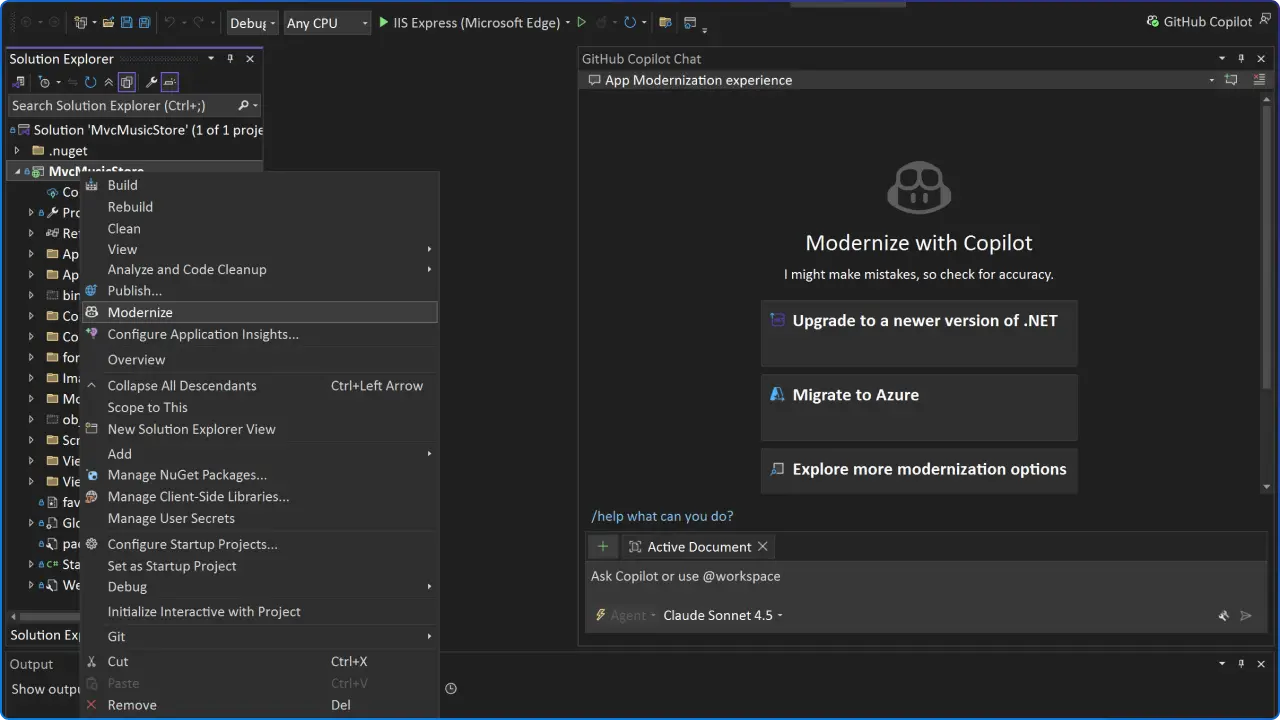
A legacy .NET Framework MVC app that once felt “too expensive to modernize” gets rebuilt into a cloud-ready service, .NET 10, Azure Container Apps, managed identity, Key Vault, and zero plaintext credentials, in a matter of hours. The real takeaway isn’t just speed; it’s how tooling is shrinking the gap between assessment and execution, turning the scariest parts (like EF6→EF Core and identity rewiring) into a practical, repeatable path you can actually act on.
With Ingress NGINX retiring in March 2026, this blog offers a calm, zero-downtime migration playbook: run both controllers in parallel using different IngressClass values, validate on the new IP, then cut over safely. The bigger message: migrating to AKS App Routing buys time (supported to Nov 2026) but it’s a bridge, not the destination, nudging teams toward a longer-term Gateway API/Istio future without rushing and breaking production.
This isn’t “learn AI someday”, it’s a practical mindset shift: pick one task you already do, use AI to make it better, verify the output, and reuse what works. For modernization leaders, that’s the point: velocity comes from adoption habits across roles, not just new platforms. And the grounded reminder matters, AI can accelerate work, but accountability stays human, which is exactly the muscle strong modernization cultures build.
Security threats are accelerating, alerts are piling up, and the cybersecurity talent gap isn’t closing. Learn how Security Copilot built into Microsoft 365 E5 helps teams shift from reactive triage to AI‑assisted, agent-driven defense across Defender, Entra, Intune, and Purview. It also outlines what E5 customers get (including automatic enablement and included capacity) plus early impact signals like 26% faster response times, making this blog a smart read if you’re looking to modernize threat defense without adding headcount.
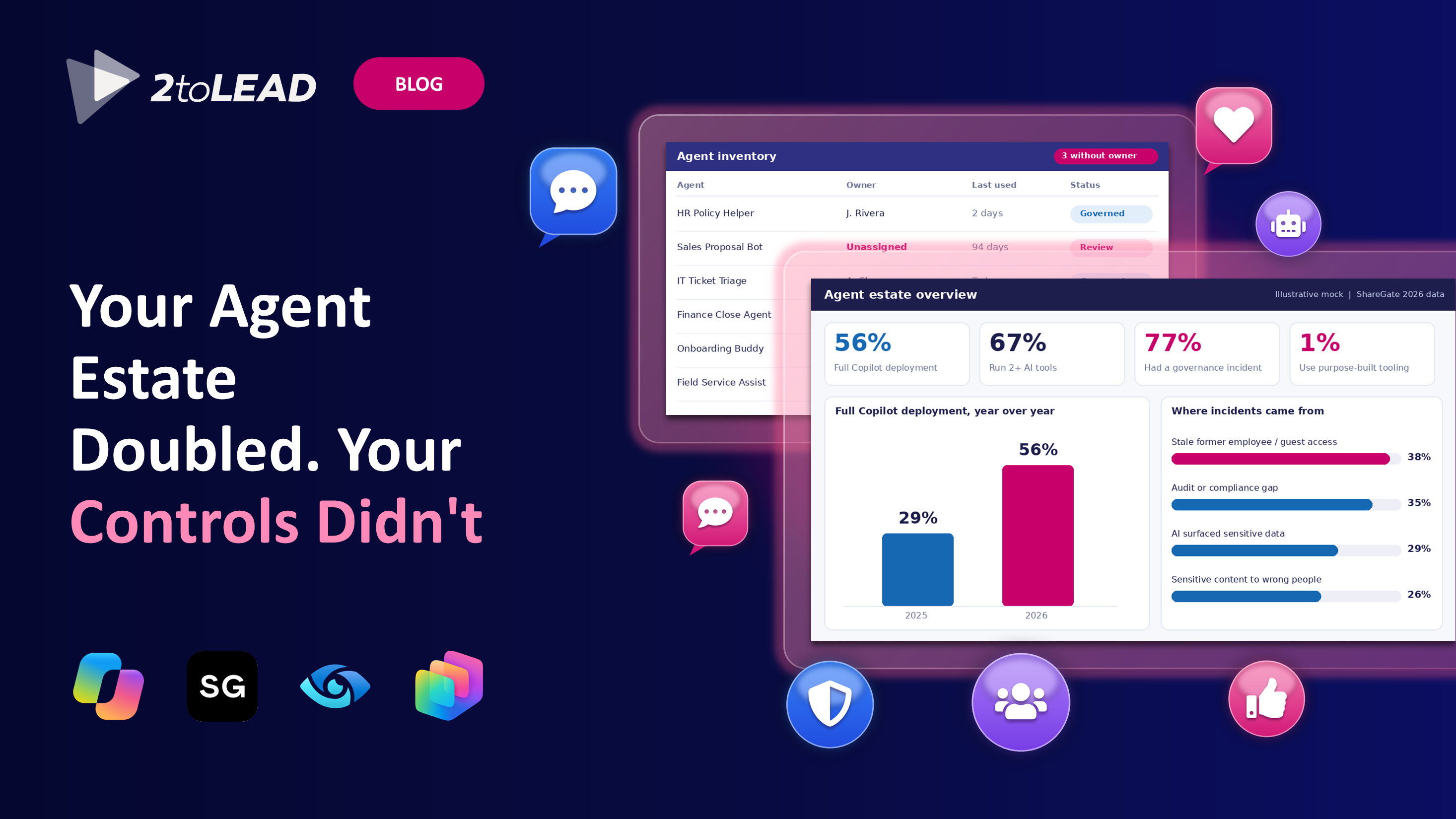
As AI apps and agents multiply, the hardest part of governance is simply seeing what exists and what’s risky. This post introduces Security Dashboard for AI, a unified view that pulls signals from Defender, Entra, and Purview to help leaders discover AI assets, track posture drift, and prioritize risk in one place (with Security Copilot insights to help focus attention).
RAG systems can quietly fail governance when labeled/encrypted content doesn’t index, leading to answers that are confident, but incomplete. This article explains how Azure AI Search can integrate with Purview sensitivity labels to ingest label metadata and enforce label-based access at query time, so AI results are both useful and policy-aligned.

Join Microsoft Security experts for a practitioner-first AMA on data protection, AI security, and governance in production including what to turn on first and common failure points. The focus is practical: what controls to prioritize early, what can safely wait, and where programs tend to break under real workloads and real org constraints. Because it’s an AMA, you can bring the thorny scenarios you’re dealing with right now; think sensitive data exposure, AI usage guardrails, and governance patterns that scale without slowing delivery. This event is hybrid (RSA + online) and designed for real questions, with live Q&A.
Register here to secure your spot!
Date: Tuesday, Mar 24, 2026
Time: 10:30 AM PDT
Modernization momentum is strongest when it’s repeatable and resilient. This month’s theme is clear: strengthen identity with phishing-resistant MFA, modernize governance with the right Purview foundations before “flipping switches,” and treat upcoming retirements as your cue to build a scalable migration factory. Then, carry that discipline into AI by improving visibility, tightening posture, and ensuring labeled content stays both accessible and compliant.
Don’t miss the Ask Microsoft Anything session on data protection, AI security, and governance in production built for practical scenarios, live Q&A, and the thorny questions teams are dealing with right now.


Join Our Newsletter