Organizations are moving past the question of whether they need governance for Copilot and agents. The real question now is what that governance model actually looks like when it has to work in the real world. Many teams understand the need for Copilot governance, but fewer have a clear picture of what an Agent PMO does day to day, how it supports AI agent governance, or how it connects business priorities to operational oversight. Microsoft positions Copilot governance across security and governance, management controls, and measurement and reporting, which reinforces that this has to be operational, not just policy-based.

That matters because governance fails when it stays theoretical. A policy deck is not enough. An approval checklist is not enough. A few admin controls are not enough. If organizations want a workable agent governance model, they need an operating structure that can handle intake, prioritization, approvals, agent lifecycle management, measurement, and ownership across the business. Microsoft’s Copilot Studio and agent guidance also emphasizes build-and-publish, analyze-and-improve, analytics, ALM, security, and governance as part of the same operating loop.
A practical Agent PMO is what connects those pieces. It acts as the layer that turns a Microsoft Copilot governance framework into repeatable action. It helps organizations create governance for AI agents that can scale, support Copilot risk and compliance, and enable innovation without unnecessary friction.
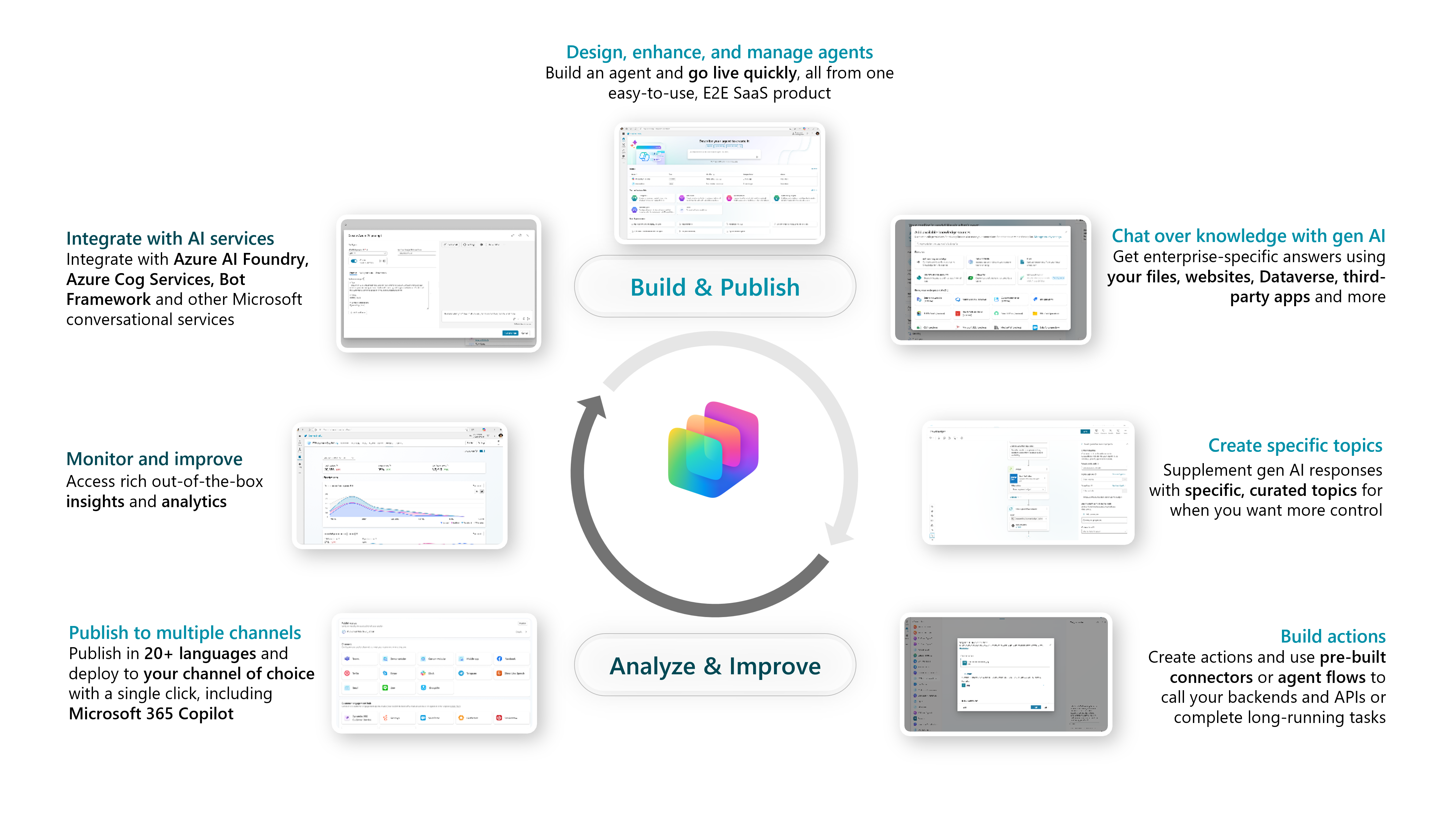
A lot of organizations picture an Agent PMO as a review board that meets occasionally to approve or reject ideas. In practice, it has to be much more useful than that. A functioning Agent PMO is not there to slow work down. It exists to create a lightweight governance framework that gives the organization a consistent way to evaluate new use cases, define ownership, apply standards, and track outcomes over time. Microsoft describes Copilot Studio as a graphical, low-code tool for building agents and agent flows, which makes it a strong visual for a more practical, operating-model view.
That means the PMO is usually coordinating several things at once. It helps determine which agent ideas should move forward, what risks need review, which teams need to be involved, and what success should look like before rollout. Instead of leaving governance scattered across IT, security, and business units, the PMO creates a practical governance operating model for AI that people can actually follow.
One of the clearest signs that an organization needs an Agent PMO is when agent requests start appearing everywhere at once. Different teams want copilots for different use cases. Some ideas are low-risk and useful. Others involve sensitive data, complex workflows, or unclear value. Without structure, those requests come in through informal channels and get approved inconsistently, if they get reviewed at all.
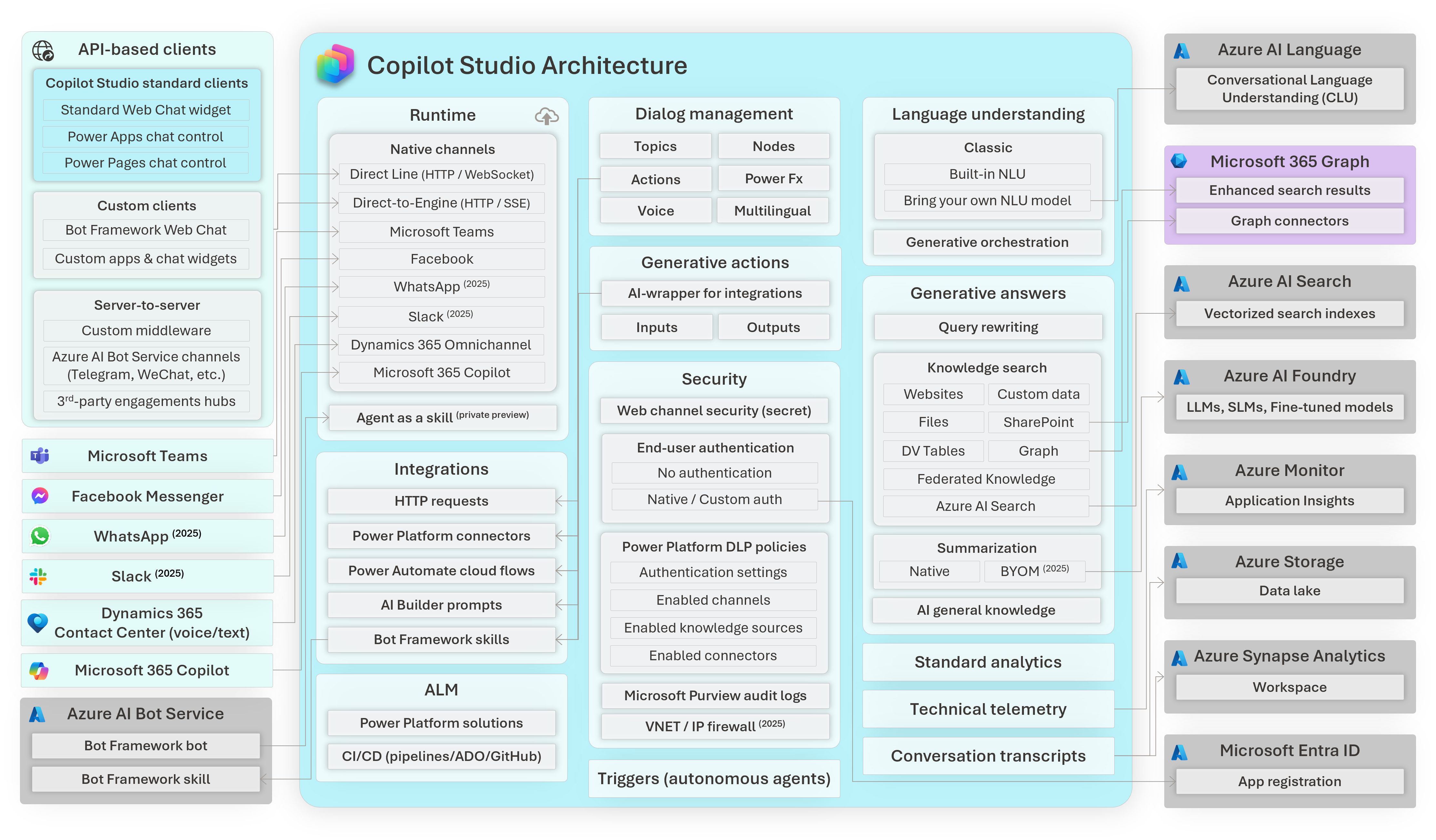
In practice, an Agent PMO creates a front door for demand. This usually means defining an intake process that captures the business problem, expected value, data involved, systems touched, user audience, and potential risk level. That intake process becomes the start of an AI governance workflow and helps the organization compare requests, spot duplication, and prioritize work based on value instead of noise. Microsoft’s architecture guidance explicitly frames the architecture overview as the blueprint that connects business intent with technical reality, including integrations, security, analytics, and ALM.
This is also where the PMO starts acting like an AI PMO model rather than just a checkpoint. It helps leaders ask better questions early: Is this worth building? Does it need human oversight? Does it overlap with something already in use? Does it belong in Microsoft 365 Copilot, Copilot Studio, or somewhere else?
Source: Microsoft Learn, Microsoft 365 Copilot architecture and how it works.
Once a use case is worth pursuing, the Agent PMO helps organize the right reviews. This is where fusion team governance becomes practical. AI agents touch multiple functions at once, so governance cannot stay isolated inside one team. Security may need to review data exposure. IT may need to review deployment. Business owners need to define the desired outcome. Makers or developers need to explain how the agent will work. The PMO makes sure these conversations happen in a structured way instead of through scattered side meetings.
This stage is also where agent access control, Copilot access management, and AI risk reviews come into focus. Microsoft’s Copilot architecture guidance says Copilot only accesses data an individual user is authorized to access and works with existing role-based access controls, Conditional Access, and MFA, which makes access design and ownership decisions central to safe deployment.
In practice, the PMO should be answering questions like who can use the agent, what information it can retrieve, what actions it can take, what level of review it needs, and who owns it once it goes live. If nobody can answer those questions clearly, the organization does not yet have a mature agent governance model.
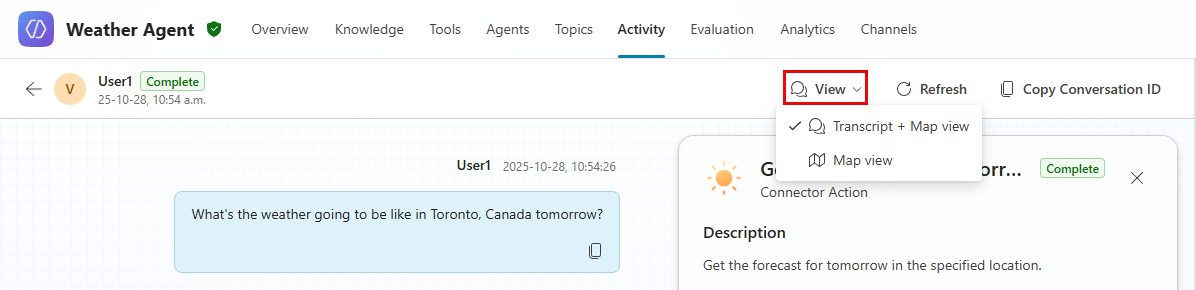
A common governance mistake is treating launch as the finish line. In reality, that is only the start. A real Agent PMO needs to own or coordinate agent lifecycle management from intake through retirement. Microsoft’s Copilot Studio guidance describes a full build/publish and analyze/improve lifecycle, while its activity tooling is designed to review interactions, decisions, timing, transcripts, and errors after deployment.
That means the PMO should define what happens after deployment. How is usage reviewed? How are incidents escalated? Who approves major updates? When should an agent be paused, redesigned, or retired? What happens when business ownership changes? These are normal operating questions, and they are exactly why the PMO exists.
This is also where cross-environment tracking matters. Microsoft’s guidance references analytics, transcripts, activity maps, ALM, and movement across development, test, and production stages. That kind of visibility is essential for AI governance at scale.
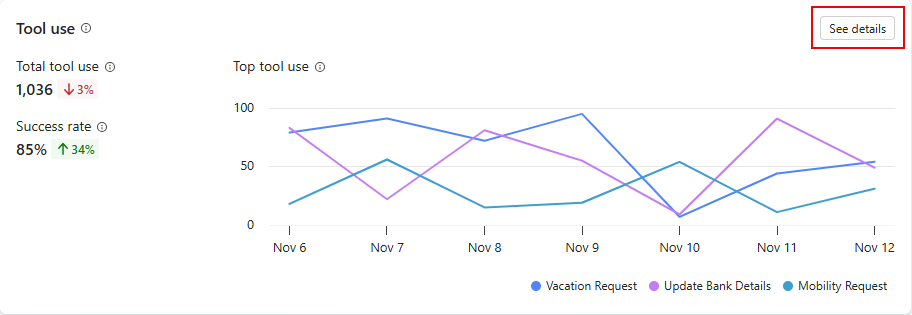
An Agent PMO should not only review risk. It should also help prove value. Without measurement, governance becomes defensive and hard to justify. With measurement, governance becomes a way to steer investment, improve adoption, and show where agents are actually helping the business.
In practice, that means the PMO should define a small set of AI success metrics for each initiative. Those might include adoption, completion rates, time saved, quality improvement, escalation rates, or task automation outcomes depending on the use case. Microsoft’s analytics guidance highlights KPI metrics, run outcomes, trigger use, tool use, knowledge source use, and savings analysis, which fits directly with a more measurement-driven PMO approach.
This also helps the PMO support governance without slowing innovation. When governance can show which use cases are working, where risk is emerging, and how the portfolio is performing, it becomes easier to approve the right ideas faster.
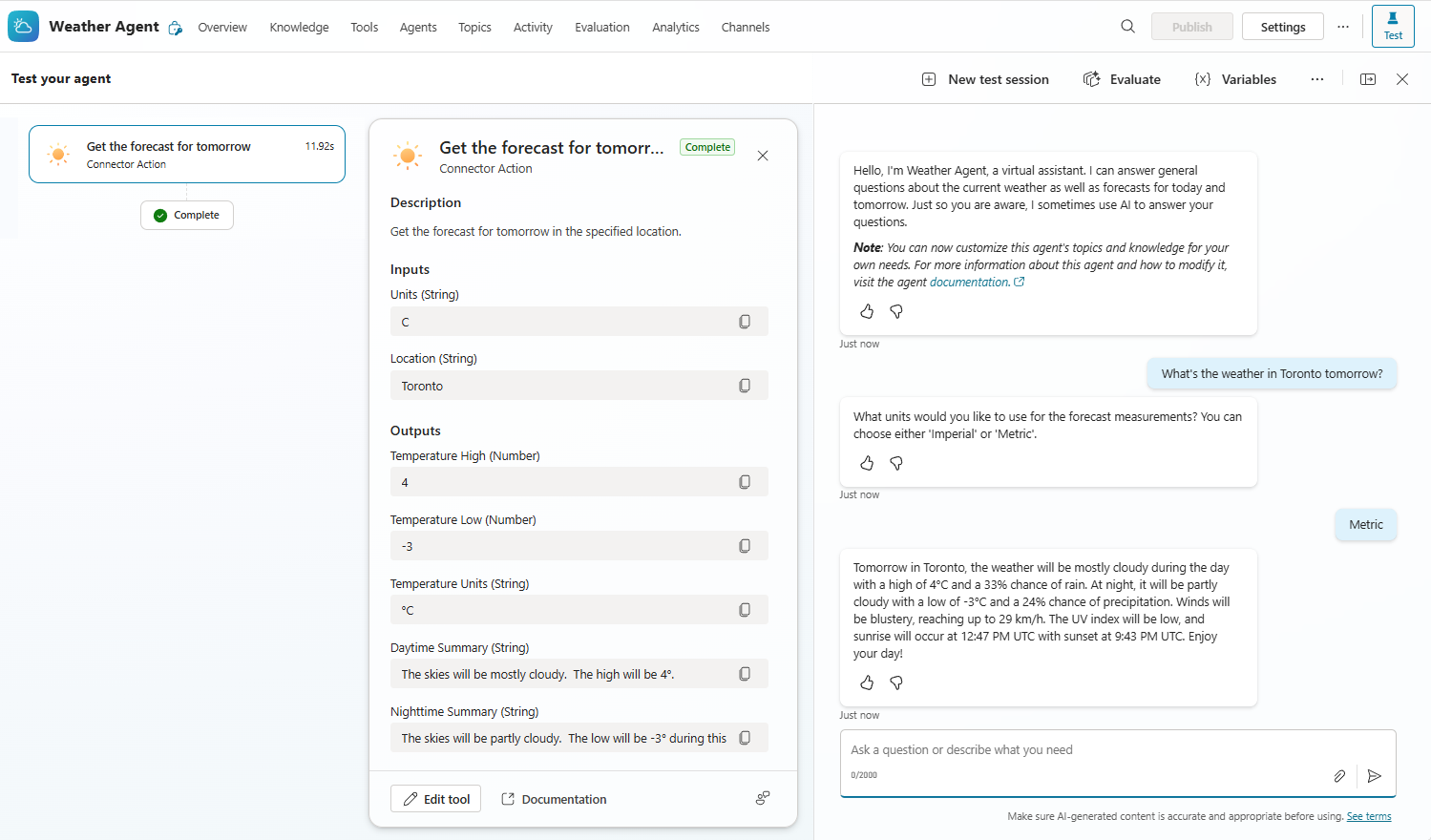
In most organizations, agents do not live in isolation. They connect to workflows, automations, knowledge sources, permissions, and platforms that are already in place. That is why a practical Agent PMO also needs to understand adjacent disciplines such as Power Automate governance, environment management, and platform administration. Microsoft says Copilot Studio supports actions, prebuilt connectors, agent flows, and backend integrations, which makes workflow governance highly relevant in real deployments.
This does not mean the Agent PMO owns every platform directly. It means the PMO understands where governance responsibilities intersect and makes sure those handoffs are visible. If an agent triggers workflow actions, depends on connectors, or spans multiple environments, the PMO should know how those decisions are reviewed and where operational accountability sits.
At a practical level, an Agent PMO usually looks less like a single team doing everything and more like a structured operating layer that coordinates work across stakeholders. It creates a shared intake process, standardizes review steps, defines ownership, supports access and risk decisions, tracks lifecycle status, and measures portfolio outcomes. It gives organizations a workable AI PMO model that can handle demand without losing control.
Most importantly, it makes Copilot governance and AI agent governance operational. Instead of relying on scattered approvals, informal ownership, or one-off reviews, the organization gets a repeatable system for how agents move from idea to deployment to value realization. That is what turns governance into something sustainable. And that is what an agent operating model actually looks like in practice.
An Agent PMO gives organizations the structure to manage AI agents in practice, but CIOs also need a broader playbook for governing Copilot Studio at scale.
That is exactly what we will cover in our upcoming webinar, From Agent Chaos to Agent Control: The CIO’s Playbook for Copilot Studio. You will learn how to reduce agent sprawl, define practical governance policies, connect Power Platform governance to Copilot Studio, and create a rollout model for enterprise agent development.


Join Our Newsletter