Hybrid infrastructure is no longer the exception. For many organizations, servers now span on-premises datacentres, Azure, other cloud platforms, and edge locations. Yet IT, security, and compliance teams are still expected to maintain consistent governance across all of them.
That is where Azure Arc has become increasingly important.
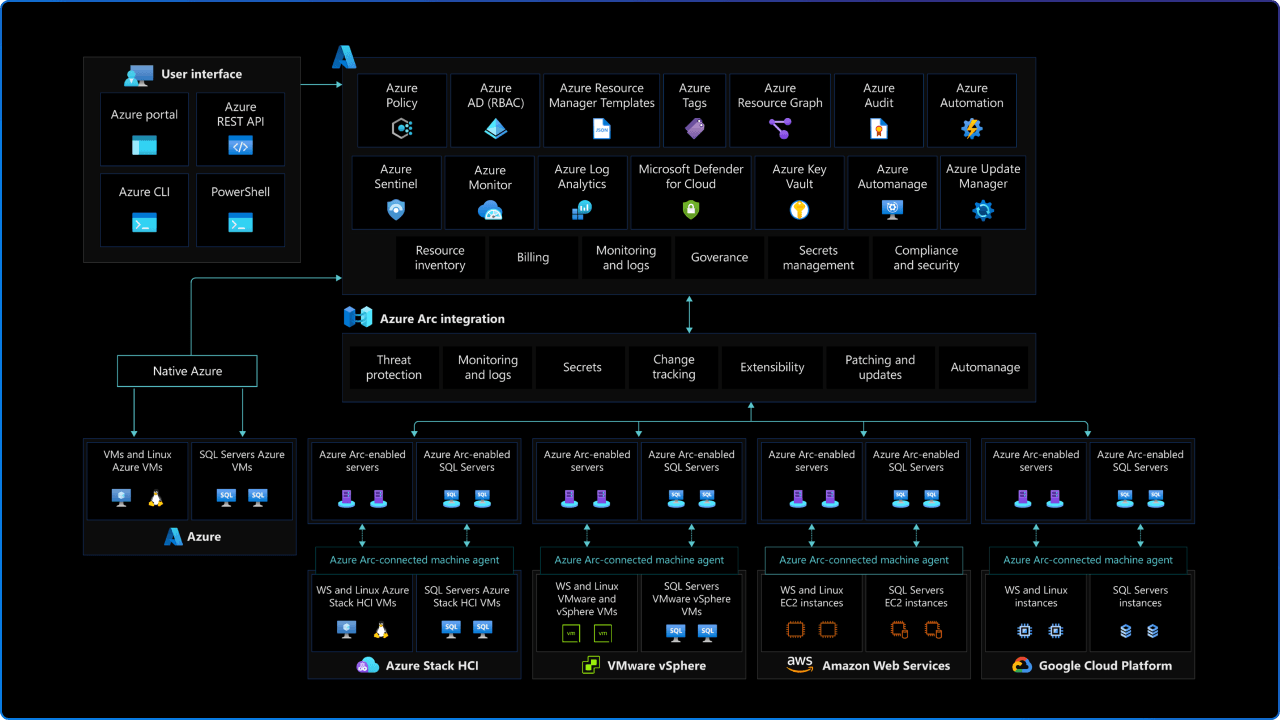
Azure Arc helps organizations bring Azure-style management to servers that live outside Azure. Through Azure Arc-enabled servers, teams can connect Windows and Linux machines from on-premises, multicloud, or edge environments into the Azure management plane.
But the value of Azure Arc depends heavily on one often-overlooked component: the Azure Connected Machine agent.
The agent is what allows those servers to communicate with Azure, receive configuration updates, support extensions, report compliance signals, and participate in broader security and governance workflows.
If that agent becomes outdated, unhealthy, or inconsistently maintained, hybrid visibility can quickly weaken.
For organizations modernizing their infrastructure, Azure Arc agent currency should not be treated as a background maintenance item. It should be part of hybrid security hygiene.
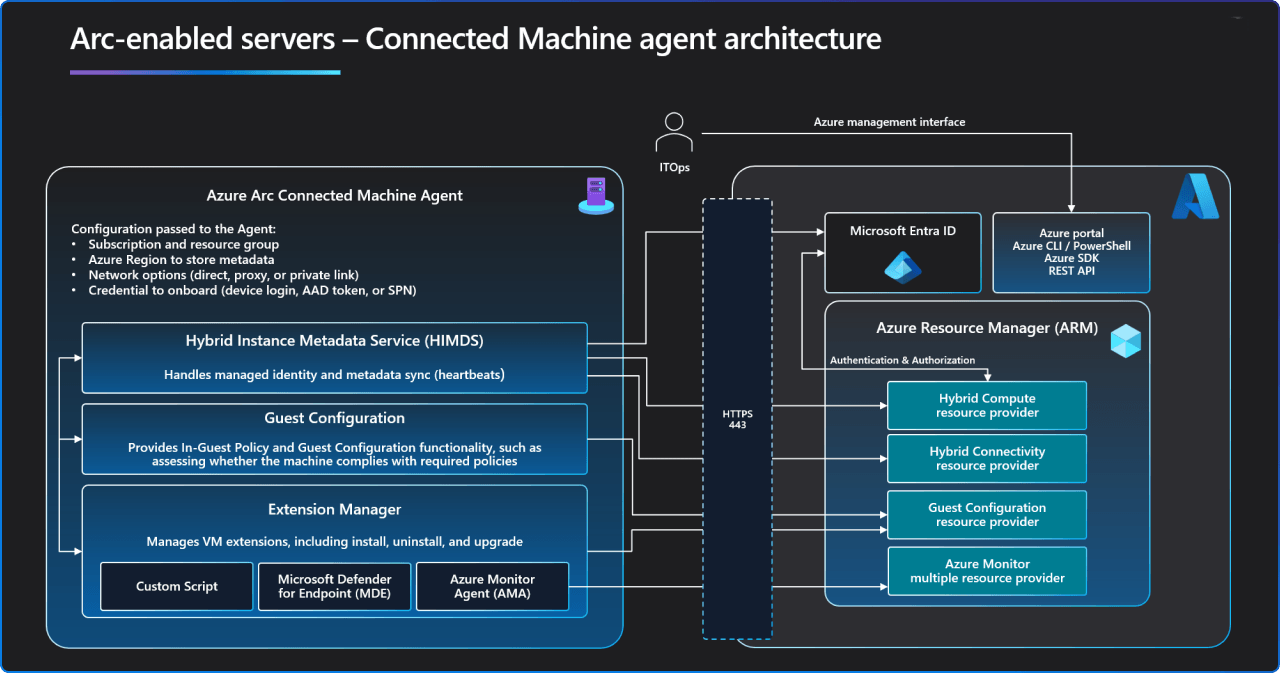
The Azure Connected Machine agent acts as the operational bridge between non-Azure servers and the Azure control plane. Without it, Azure cannot consistently recognize, manage, assess, or apply governance controls to those machines.
In day-to-day operations, this matters because the agent helps support capabilities such as:
For IT teams, the agent may feel like a small technical component. In reality, it plays a foundational role in whether hybrid management works reliably.
When the agent is current and healthy, connected servers are more likely to report accurate status, receive supported updates, and participate properly in Azure-based governance.
When the agent is outdated, the environment can begin to drift. That drift may appear as failed extensions, incomplete compliance data, connection errors, missing inventory details, or increased troubleshooting effort.
This is why Azure Arc agent currency is not just an infrastructure task. It directly affects security visibility, compliance confidence, and operational readiness.
Hybrid environments rarely become inconsistent overnight. Drift usually builds slowly.
A server is onboarded with one agent version. Another server is added months later with a different version. Some machines receive updates.
Others are missed because of maintenance windows, proxy restrictions, network segmentation, or ownership gaps. Over time, the organization ends up with a mixed estate of Arc-enabled servers running different agent versions, with different levels of reliability and supportability.
This drift creates real risk. If an agent is too old, organizations may lose access to fixes, improvements, or expected support. If agent health is inconsistent, teams may not fully trust what they see in Azure.
And if compliance or security reporting depends on signals from connected machines, outdated agents can quietly weaken decision-making.
As Microsoft’s latest threat intelligence makes clear, cloud and hybrid environments are now central to modern attack paths, making reliable visibility, identity protection, and operational resilience essential for Azure leaders.
For security leaders, the question is not simply, “Are our servers connected to Azure Arc?”
A better question is:
“Are our Arc-enabled servers current, healthy, governed, and reporting reliably?”

Keeping the Azure Arc agent current helps organizations reduce avoidable risk across hybrid estates. Microsoft regularly updates the Azure Connected Machine agent to improve reliability, address known issues, strengthen compatibility, and support new capabilities. For organizations relying on Azure Arc as part of their hybrid cloud strategy, those updates matter.
The business value is simple: agent currency makes hybrid management more dependable.
It also helps IT and security teams avoid reactive firefighting. Instead of discovering outdated agents during an audit, incident, failed deployment, or compliance review, organizations can manage agent health proactively as part of routine operations.
That shift from reactive maintenance to intentional hygiene is what makes the difference.
For small environments, manually updating the Azure Connected Machine agent may be manageable. But in larger organizations, manual updates quickly become difficult to sustain.
Hybrid estates may include hundreds or thousands of servers across business units, geographies, operating systems, and maintenance windows. In that context, relying on manual updates creates room for inconsistency.
Microsoft’s automatic upgrade capability for the Azure Connected Machine agent can help organizations reduce this burden. Instead of treating agent upgrades as a recurring manual project, teams can use automation and policy-based governance to keep agent versions more consistent across their Azure Arc-enabled servers.
This does not mean every organization should enable automatic upgrades everywhere without planning. Critical workloads, regulated environments, and highly controlled server groups may still require staged rollout processes.
But automatic upgrade can play an important role in reducing long-term drift.
The goal is not simply to “turn on updates.” The goal is to build a sustainable operating model that keeps Azure Arc healthy at scale.
To operationalize Azure Arc agent currency, organizations need more than a one-time upgrade plan. They need a repeatable lifecycle process.
Here is a practical framework IT and security teams can use.
1. Build an inventory of Arc-enabled servers
Start by identifying which servers are connected to Azure Arc, which agent versions they are running, and where outdated or unhealthy agents exist.
2. Prioritize by risk and business impact
Not all servers should be treated the same. Segment machines by workload criticality, operating system, environment, owner, location, and exposure risk.
3. Define your agent update strategy
Decide where automatic upgrade makes sense, where manual approval is required, and how exceptions will be reviewed.
4. Use governance to prevent drift
Azure Policy and operational reporting can help teams identify inconsistent configurations, missing settings, and machines that fall out of compliance.
5. Monitor agent health continuously
Agent currency should be reviewed alongside connection status, extension health, policy compliance, and security monitoring signals.
6. Align ownership across teams
Cloud, infrastructure, security, and compliance teams should agree on who owns agent lifecycle management, who responds to failures, and how issues are escalated.
This framework helps transform Azure Arc from a connection mechanism into a governed hybrid management capability.
Cloud modernization is not only about moving workloads to the cloud. It is also about improving how organizations manage, secure, and govern the environments they already have.
Azure Arc gives organizations a powerful way to extend Azure management across hybrid and multicloud infrastructure. But that value depends on the health of the Azure Connected Machine agent.
If agents are outdated, inconsistent, or unmanaged, the organization risks losing confidence in the very visibility and control Azure Arc is designed to provide.
Keeping the Azure Arc agent current helps strengthen hybrid security hygiene by improving supportability, reducing operational drift, and giving teams a more reliable foundation for governance and compliance.
For IT and security leaders, the next step is clear: do not stop at onboarding servers to Azure Arc. Build the process that keeps those servers current, healthy, and ready for what comes next.
At 2toLead, we help organizations make Microsoft cloud modernization practical, secure, and sustainable.
Whether you are expanding Azure Arc, improving hybrid governance, or strengthening operational security hygiene, our team can help you turn platform capabilities into a manageable operating model.


Join Our Newsletter