Let’s address the elephant in the room. Let's be honest here.
You’ve complained about SharePoint.
You’ve rolled your eyes at site sprawl.
You’ve debated folders versus metadata until everyone in the room regretted showing up.
And somewhere, buried deep in a document library, there’s probably a file called Final_Final_ACTUAL_Final_v3.
We’ve all been there.
But here’s the uncomfortable truth that IT leaders, digital workplace architects, and executives need to confront: The platform you love to hate is now the engine powering Teams, Loop, and Microsoft’s entire AI strategy.
Welcome to SharePoint therapy.
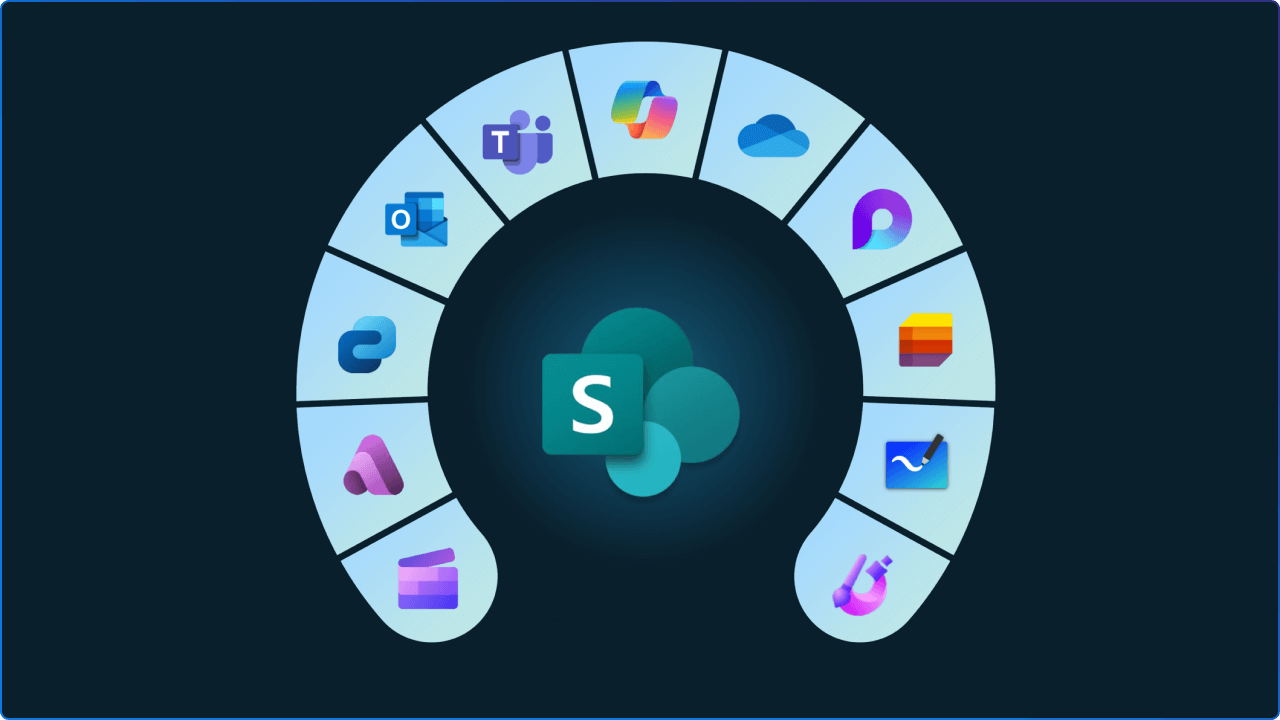
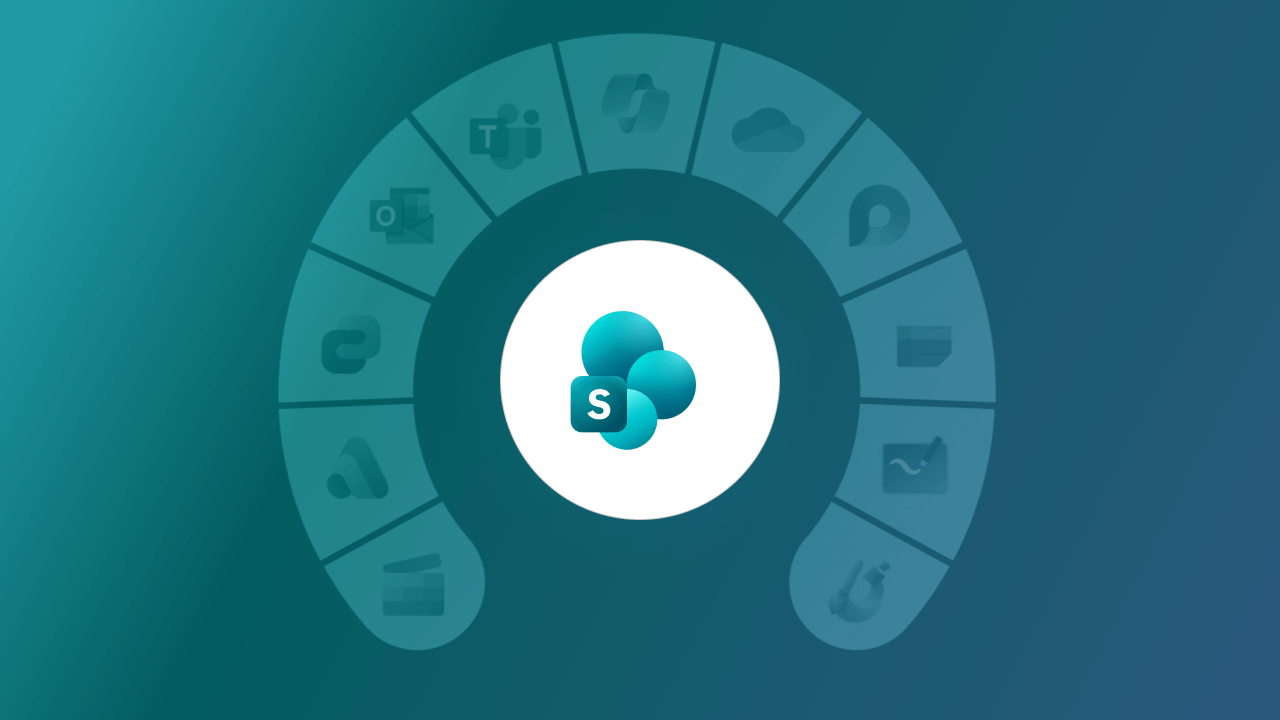
If you’re using Microsoft Teams, you’re using SharePoint. Full stop.
That “Files” tab in a Teams channel? SharePoint.
The documents your team co-authors every day? SharePoint.
The permissions model keeping sensitive content (mostly) secure? Also SharePoint.
Every time someone creates a new Team, a SharePoint site is quietly spun up behind the scenes. Teams may be the front door, but SharePoint is the foundation holding everything together.
The same goes for Microsoft Loop. While Loop feels new and fluid, its components rely on SharePoint’s storage and collaboration services under the hood. That modern, real-time co-creation experience? Built on years of SharePoint evolution.
This isn’t accidental. Roughly 80% of Fortune 500 organizations use SharePoint, not because it’s flashy, but because it’s deeply integrated into Microsoft 365. It simplifies the stack, reduces tool sprawl, and provides a single, secure place for organizational knowledge.
SharePoint doesn’t really have a single, direct competitor. Its biggest advantage is that it’s good enough at a lot of things and excellent at playing well with the rest of Microsoft 365. For large organizations, that pragmatism wins.
And for anyone still wondering whether SharePoint is “legacy tech”: the vast majority of deployments are now cloud-based. SharePoint Online isn’t the future, it’s the default.
The conversation has shifted. It’s no longer “Should we commit to SharePoint?” It’s “How do we make it work brilliantly?”
Before we celebrate SharePoint’s renaissance, let’s acknowledge the trauma.
At 2toLead, we’ve seen it all. The sites that grew… organically. The navigation that reads like a choose-your-own-adventure. The intranets that started strong and slowly collapsed under the weight of good intentions.
SharePoint doesn’t get messy because people are lazy. It gets messy because work moves fast.
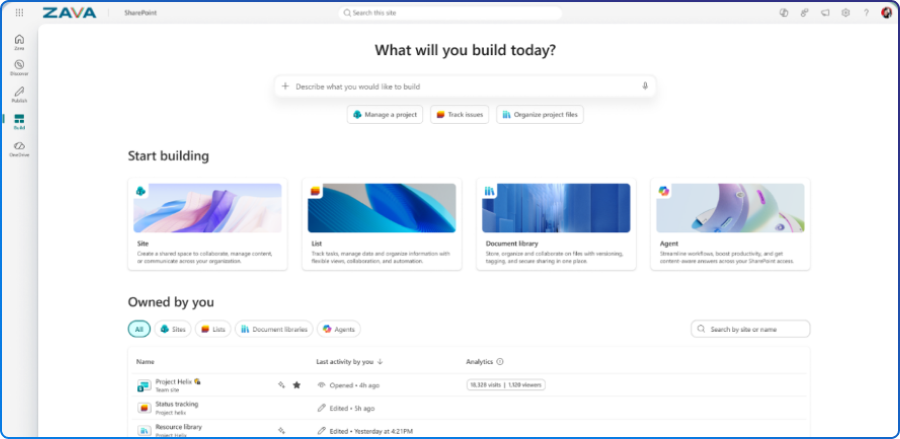
Projects evolve. Teams change. Priorities shift. And no one pauses a critical initiative to re-architect a site that technically still works. Over time, “temporary” decisions become permanent, and suddenly no one knows where anything lives.
The symptoms are familiar:
Sprawl rarely comes from one bad decision. It’s death by a thousand paper cuts:
The real cost shows up quickly: frustrated users, bloated storage, security risks, and an IT team stuck playing digital janitor.
If you worked with SharePoint in the 2010s, you probably still have emotional scars from the metadata versus folders debate.
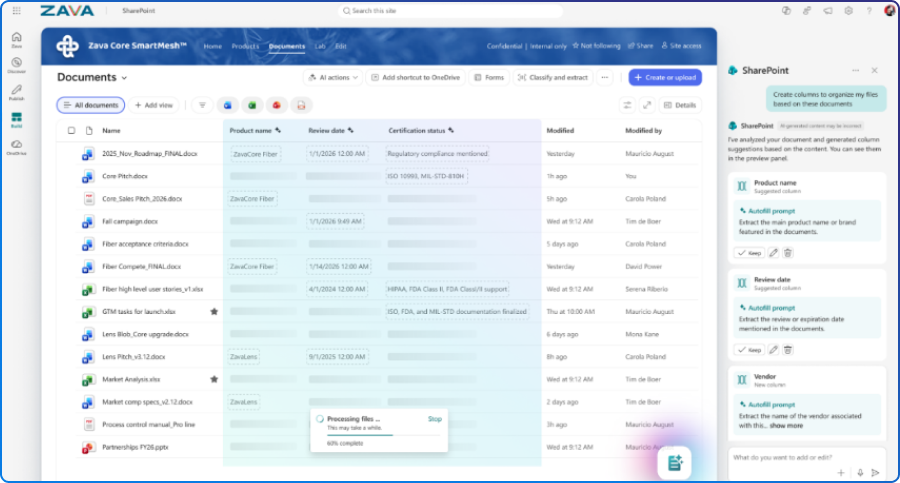
Here’s the good news: you don’t have to choose sides anymore. Folders are familiar. People understand them. They feel safe. Metadata is powerful. It scales. It makes search actually work. In modern SharePoint, the answer isn’t either/or. It’s both.
By combining sensible folder structures with default metadata tagging, you can respect how people naturally work while still unlocking the benefits of structured information. Users don’t have to think about metadata, and IT still gets the consistency it needs.
This matters now more than ever because of AI. Copilot doesn’t thrive on chaos. It needs signals. Clear information architecture, meaningful metadata, and well-governed content are no longer “nice to have.” They’re prerequisites for AI that’s accurate, trustworthy, and useful.
Under the hood, SharePoint has evolved dramatically. Its modern storage architecture supports tree-structured data, flexible collaboration models, and technologies like the Fluid Framework that power Loop and other real-time experiences.
In short: SharePoint isn’t just storing files anymore. It’s becoming Microsoft’s knowledge substrate.
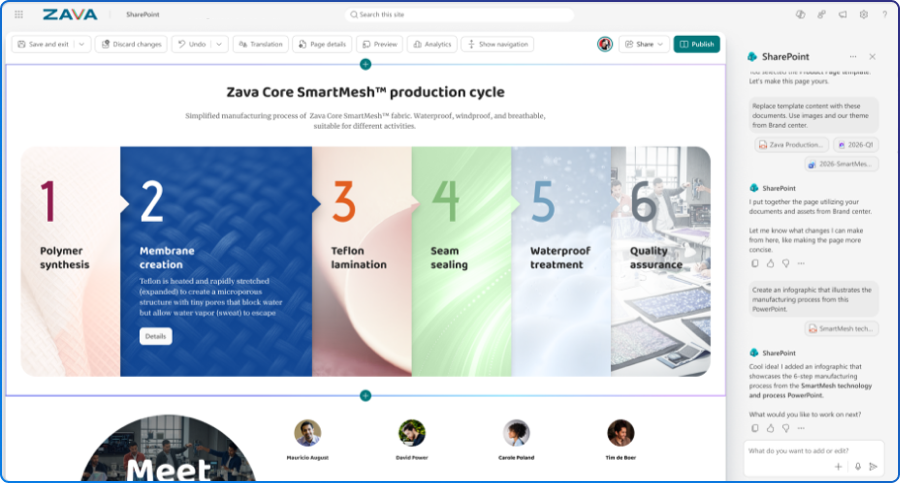
Getting from chaos to clarity isn’t a tooling problem. It’s a people and strategy problem. That’s where governance comes in and yes, we know the word makes people nervous.
Good governance isn’t about control. It’s about guided freedom.
It answers practical questions:
When these rules are clear, teams move faster, not slower. They know where to go, what to use, and what’s expected.
At 2toLead, we think of ourselves as SharePoint therapists.
We meet you where you are.
We embed with your teams.
We balance business goals, user experience, and technical reality.
Most importantly, we help organizations build trust in their digital workplace, so SharePoint becomes a platform people rely on, not one they avoid.
SharePoint was never the problem.
The real challenges were always implementation, governance, and change management.
Today, SharePoint sits at the foundation of Microsoft’s collaboration and AI strategy. Organizations that learn to work with it, intentionally and thoughtfully, will be far better positioned to take advantage of Copilot, Loop, and whatever comes next.
And who knows? Your teams might even admit they like it.
Let’s talk about turning digital chaos into a high-performing intranet your organization can actually be proud of.


Join Our Newsletter