Cloud operations are getting harder to manage. Microsoft says modern applications and AI workloads are increasing the scale, speed, and complexity of cloud environments beyond what traditional operating models were designed to handle.
That is where agentic cloud operations comes in. Microsoft describes it as a new operating model where AI-powered agents help teams move from passive monitoring to coordinated action across the cloud lifecycle. Azure Copilot is positioned as the interface that brings that model to life.
As Microsoft explains, organizations now need an approach that brings intelligence into the flow of work and translates a constant stream of operational signals into action. That is the core promise behind agentic cloud operations.
Microsoft says cloud operations have reached an inflection point. Infrastructure and applications are constantly being updated, scaled, and reconfigured. Telemetry now streams from every layer, including health, configuration, cost, performance, and security. At the same time, programmable infrastructure allows action to happen at machine speed.
Agentic cloud operations is Microsoft’s response to that shift. It uses AI-powered agents to connect operational signals to action across the lifecycle. Microsoft says these agents help accelerate development, migration, deployment, optimization, observability, resiliency, and troubleshooting in a more coordinated way.
This matters because operations teams do not just need more alerts. They need more context. They need systems that can understand what is happening, correlate signals, and help drive the next step without forcing teams to piece everything together manually. That is the larger value Microsoft is pointing to here.
Microsoft positions Azure Copilot as the agentic interface for Azure. Rather than adding another dashboard, Azure Copilot is meant to provide a unified experience grounded in a customer’s actual Azure environment, including subscriptions, resources, policies, and operational history. Teams can work through natural language, chat, console, or CLI while invoking agents within their workflows.
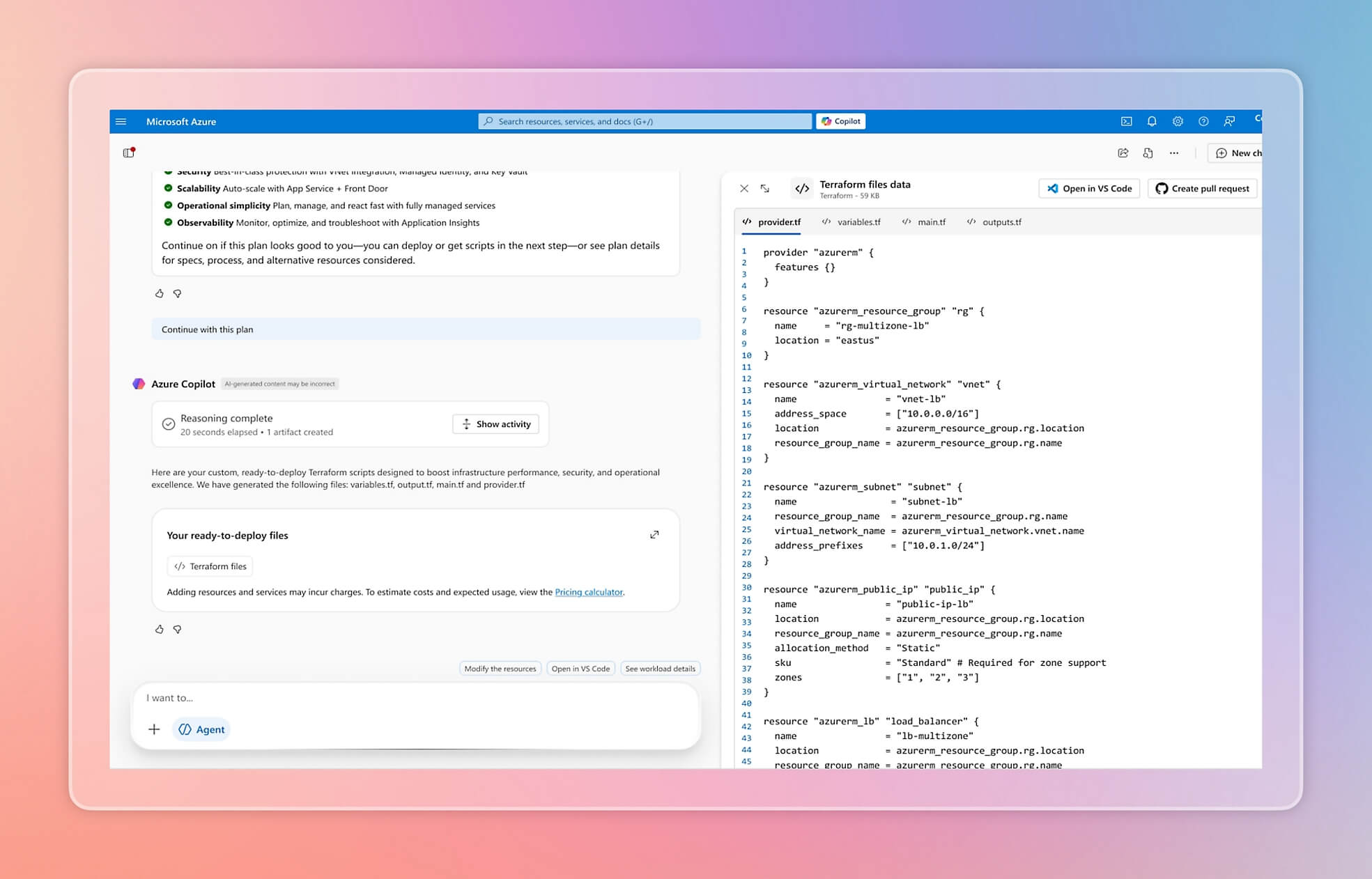
That is a meaningful shift. Instead of jumping between tools to understand what changed, what is broken, or what should happen next, teams can work in one environment that brings observability, configuration, resiliency, optimization, and security together. Microsoft says this helps operators move from insight to action in one place.
One of the strongest parts of the announcement is that these are not presented as isolated bots. Microsoft says Azure Copilot’s agentic capabilities span key operational domains, including migration, deployment, optimization, observability, resiliency, and troubleshooting. These capabilities are meant to work as a coordinated, context-aware system rather than separate tools operating in isolation.
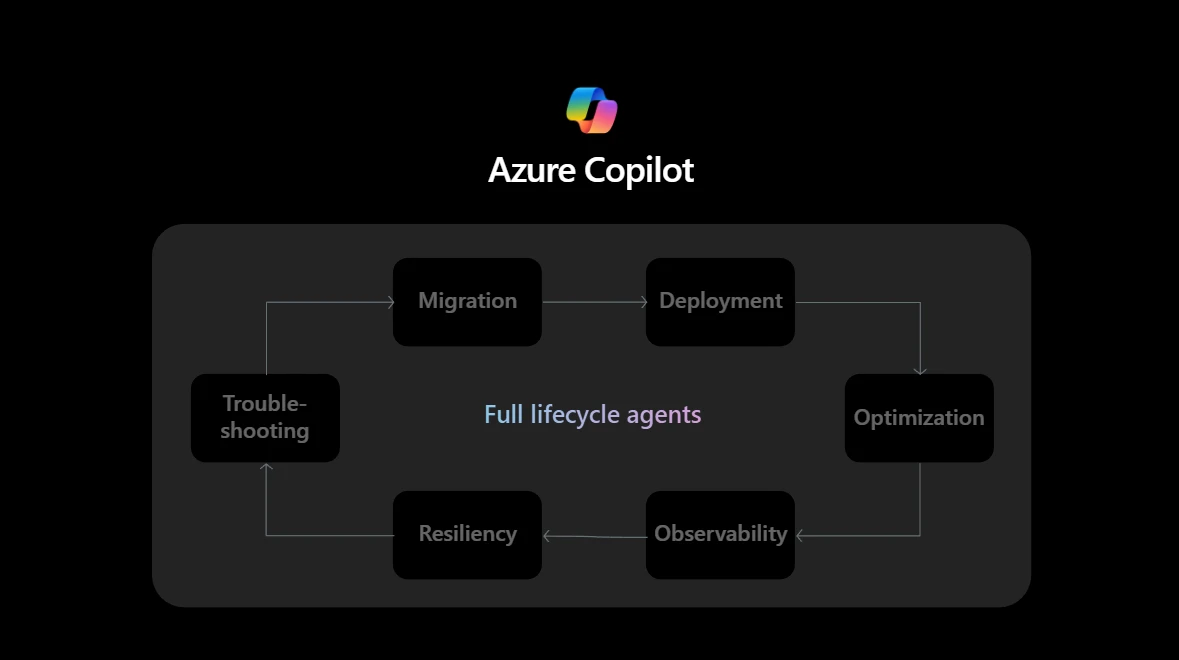
In the plan and prepare stage, Microsoft says migration agents can help discover existing environments, map dependencies, and identify modernization paths before workloads move. Deployment agents help guide well-architected design and generate infrastructure-as-code artifacts, while resiliency agents identify gaps across recovery, backup, continuity, and availability.
In deploy and launch, deployment agents support governed and repeatable rollout workflows. Observability agents establish baseline health from the start, while troubleshooting agents help diagnose root causes, recommend fixes, and initiate support actions. Microsoft also says resiliency agents verify recovery and failover readiness under real-world conditions.
In operate, optimize, and evolve, observability agents provide ongoing visibility and diagnosis across applications and infrastructure. Optimization agents help improve cost, performance, and sustainability. Resiliency agents move toward more proactive posture management, while troubleshooting and migration agents continue to support incident response and modernization over time.
Microsoft emphasizes that these capabilities are designed to function within connected workflows. The idea is not to create a collection of disconnected assistants, but to build a system that correlates real-time signals, understands operational context, and takes governed action where it matters most. Microsoft says this helps teams anticipate issues earlier, resolve them faster, and continuously improve cloud posture across development, migration, and operations.
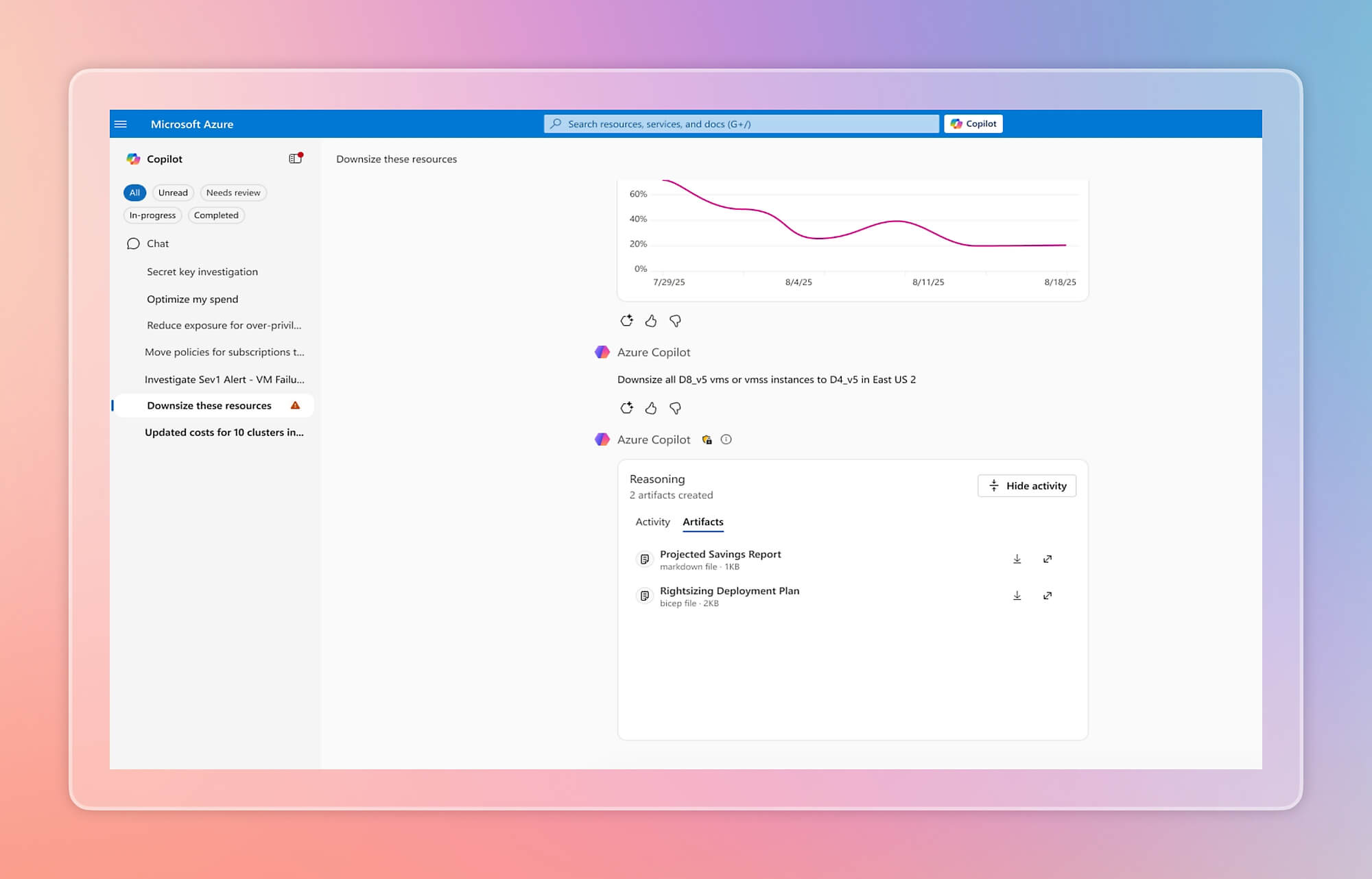
That framing is useful because it moves the conversation beyond simple automation. Microsoft is describing a model where people, data, tools, and agents work together in a more coordinated system.
Microsoft is also clear that this model is meant for mission-critical systems, where governance and control cannot be optional. The company says Azure Copilot embeds governance at every layer, allowing enterprises to define boundaries, apply policies consistently, and maintain oversight. It also highlights Bring Your Own Storage for conversation history, which helps customers keep operational data inside their own Azure environment for sovereignty, compliance, and visibility.
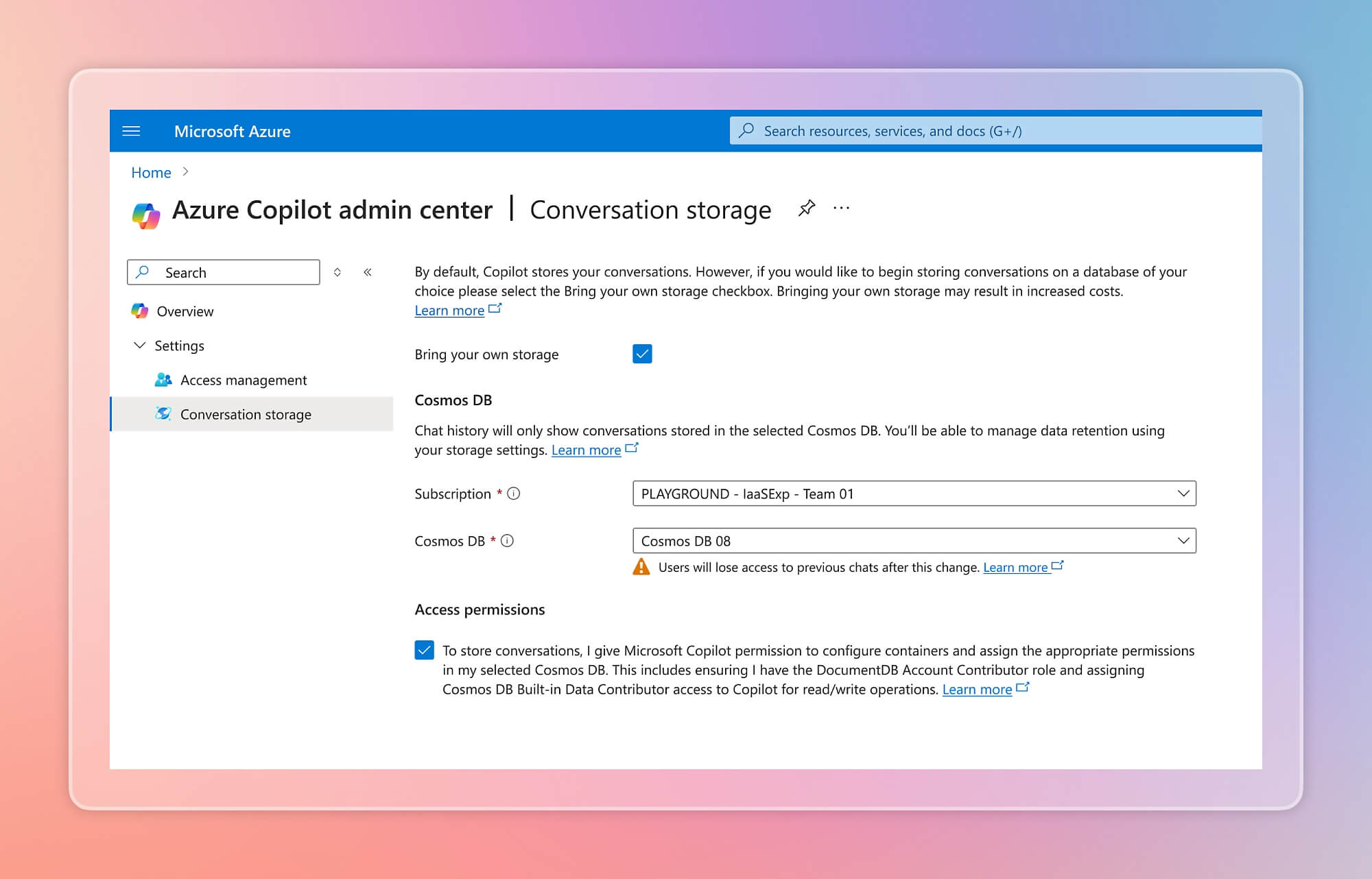
Microsoft also says agent-initiated actions still honor existing policy, security, and RBAC controls. Actions remain reviewable, traceable, and auditable, which keeps human oversight central rather than removing it.
The bigger message is not just that Azure has more AI features. It is that Microsoft sees cloud operations itself changing. As environments become more dynamic and complex, operations must also become more dynamic, context-aware, and continuously optimized. That is the operating model Microsoft is pushing with Azure Copilot and agentic cloud operations.
For IT leaders, this creates a more practical way to think about AI in operations. It is not just about adding automation for its own sake. It is about improving speed, reducing risk, and helping teams keep up with growing cloud complexity in a more governed way. That is the broader strategic point of the announcement.
Agentic cloud operations is Microsoft’s vision for how cloud teams can operate with more speed, clarity, and control as infrastructure and AI workloads become harder to manage. Azure Copilot sits at the center of that vision, bringing together signals, context, and governed action across the lifecycle. For organizations looking to modernize cloud operations, this announcement points to a more intelligent and connected model for the future.


Join Our Newsletter